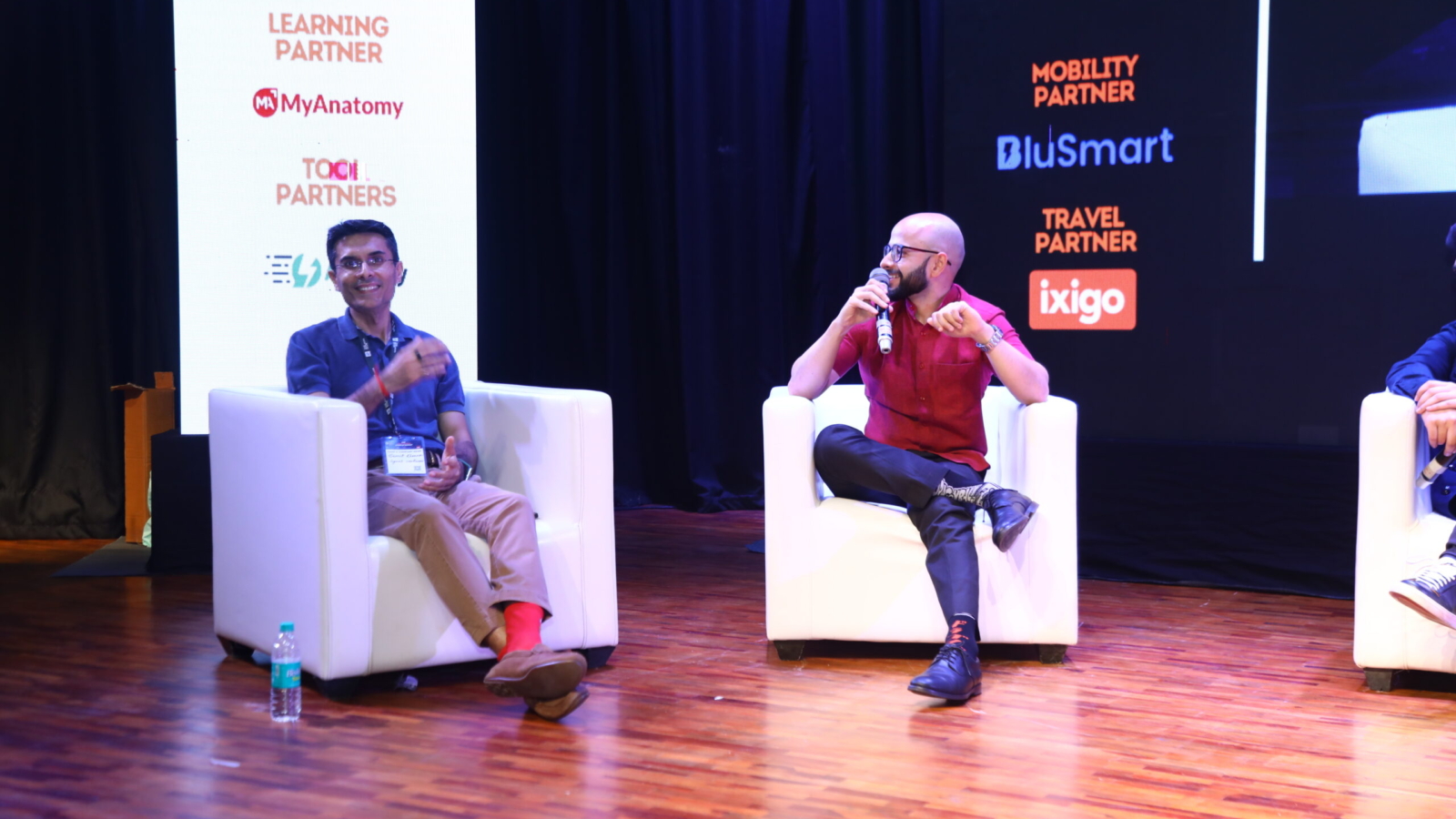

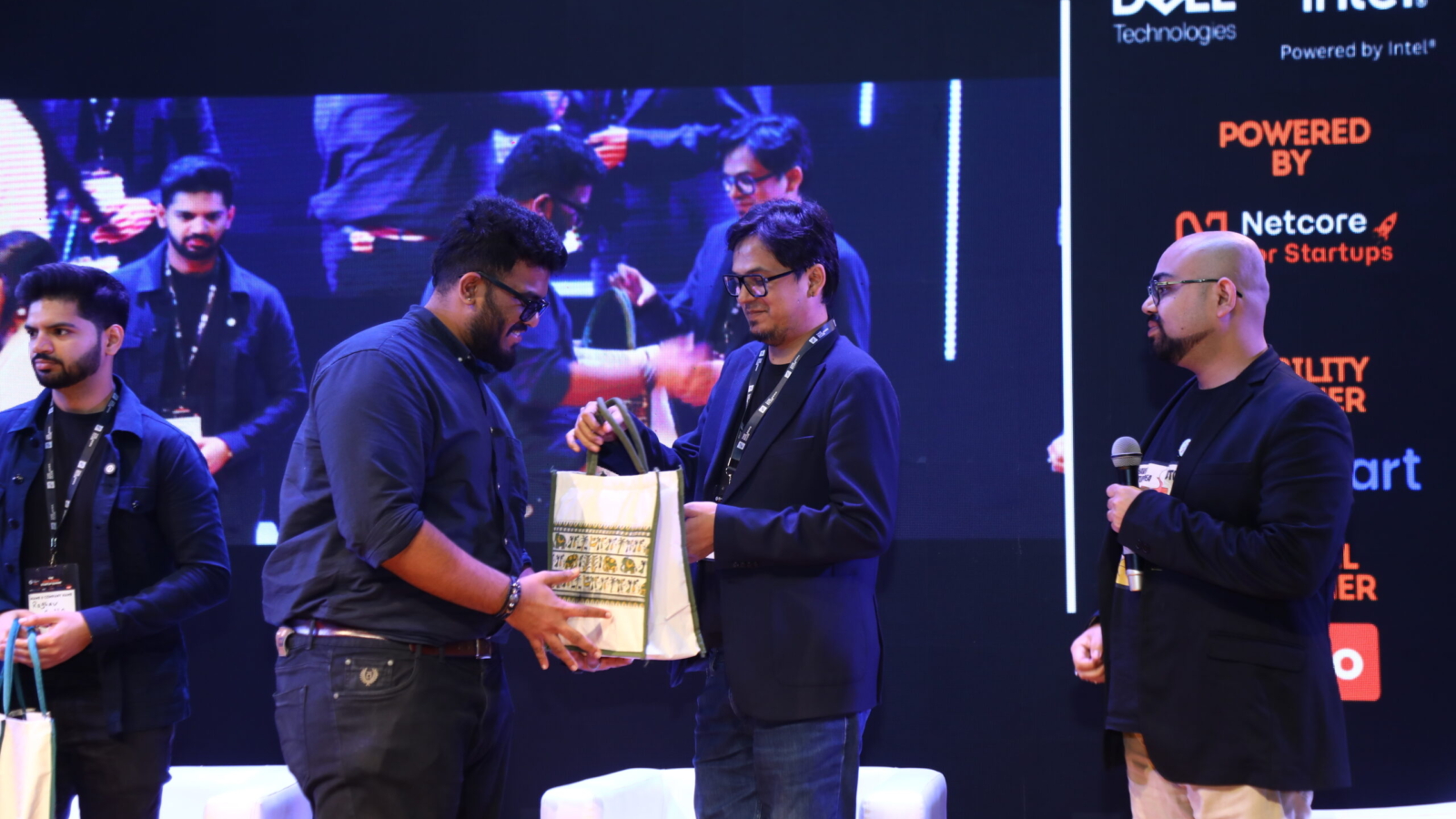
Abhishek Asthana, Gabbbarsingh talks about shelf life of influencers | Content Panel | The Great Indian Startup Summit
Game Changing Tech in India📈
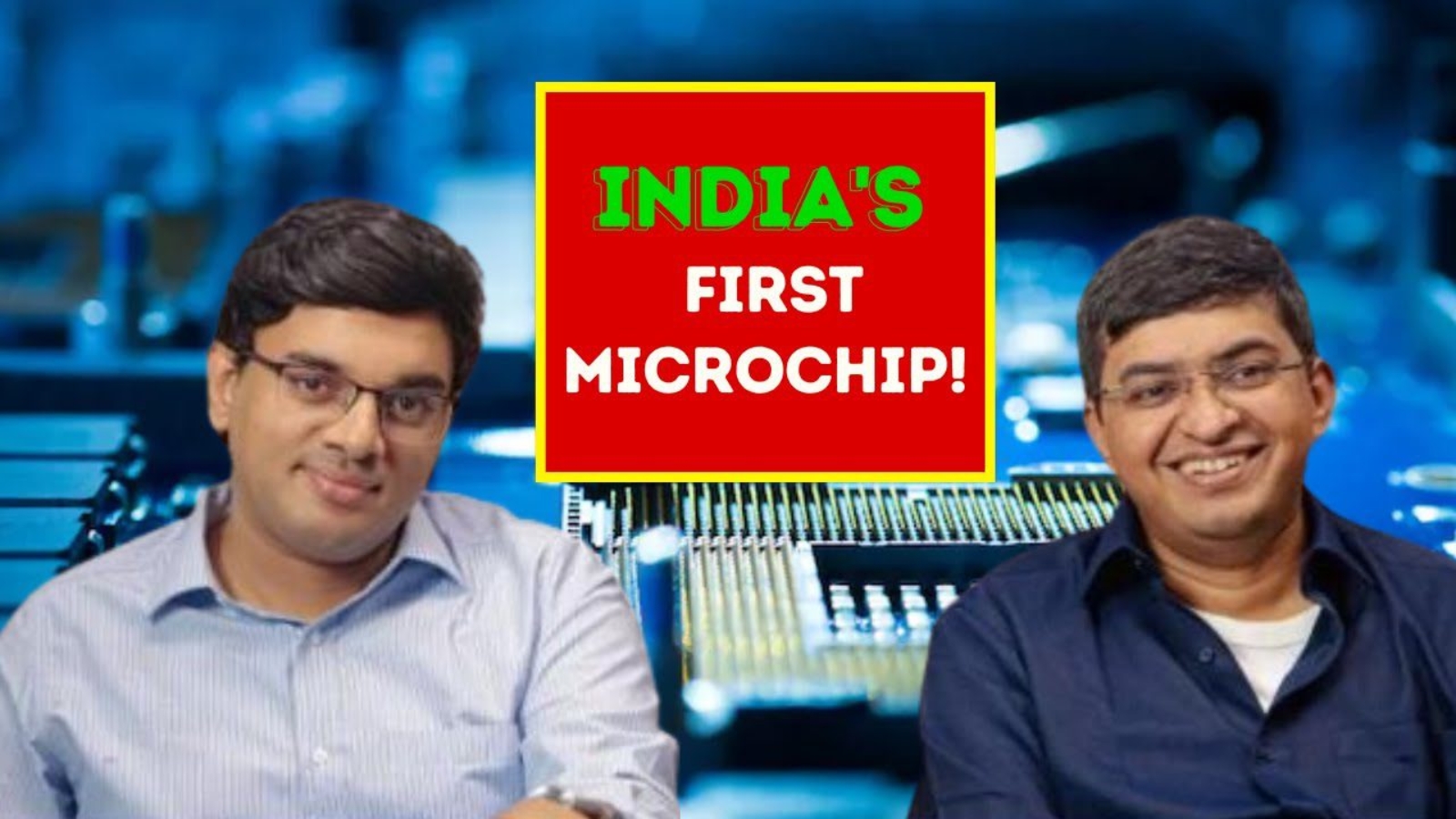
📈🔐Deeptech Startup Mindgrove Rolls Out First India-Made Microcontroller Chip Mindgrove Launches India’s First Microcontroller Chip | Game-Changing Tech!🤔 🎯
In our Thursday livestream we discussed India’s First Microcontroller Chip
💡 In our analysis, we discussed:🔍🔍
✅How does Mangrove’s launch of India’s first microcontroller chip signify a milestone for the country’s Deeptech industry?
✅How might Mindgrove’s new microcontroller chip disrupt the Indian electronics market and empower local OEMs?
TBC Live Discussions: The State of Marketing 2024
June is the month of marketing in our weekly live discussions.
We are going to analyze 4 marketing reports from brands like Neilsen, Hubspot, Konfluence and Plann, and understand what is working on social media, how people are spending, and what are the best ways of getting an ROI out of your spending.
We will start discussing with the Hubspot report on our Thursday Live. We will be joined by founders and investors from the club.
📈💡Join us tonight @8:30PM
🔗 You can register for the sessions here👇
https://lu.ma/e2ic5bhb

Naiyya Saggi’s Entrepreneurial Journey: A Deep Dive
In a recent podcast episode, Naiyya Saggi, the co-founder of the Good Glamm Group, shared insights into her remarkable career trajectory. From a legal background to becoming a successful entrepreneur and investor, Saggi’s journey is a testament to her determination and vision.
From Law to Entrepreneurship: Saggi discussed her transition from a legal career to the world of entrepreneurship. She shared the factors that motivated her to take this leap and the challenges she faced along the way.
Founding the Good Glamm Group: Saggi delved into the inception of the Good Glamm Group, a leading beauty and lifestyle platform. She discussed the company’s mission, vision, and the key strategies that have contributed to its success.
Entrepreneurial Lessons Learned: Saggi offered valuable insights based on her experiences as an entrepreneur. She shared the lessons she has learned, including the importance of resilience, adaptability, and building a strong team.
Investing in Startups: As an investor, Saggi discussed her approach to identifying promising startups. She shared her investment criteria and the qualities she looks for in entrepreneurs.
Mentorship and Giving Back: Saggi emphasized the importance of mentorship and giving back to the community. She discussed her experiences as a mentor and the impact it has had on her career.
Conclusion.
Naiyya Saggi’s journey is an inspiration to aspiring entrepreneurs and investors. Her story highlights the power of determination, vision, and a willingness to take risks. By sharing her experiences and insights, Saggi provides valuable guidance for those looking to make a positive impact in the business world.
Listen now! Click here to listen to the full podcast episode with Naiyya Saggi.
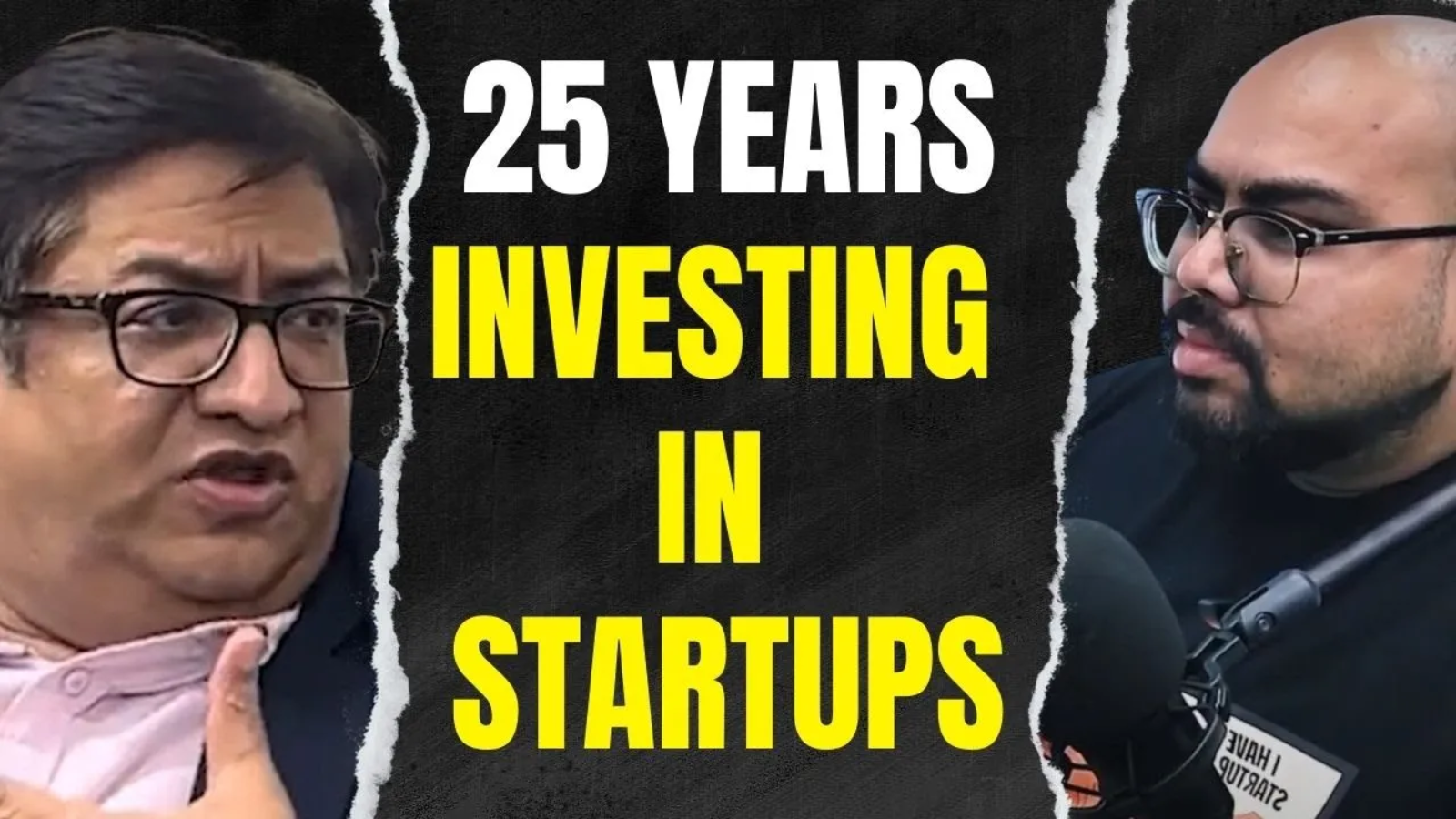
How an Investor Thinks: Key Insights from Manish Johari
Manish Johari, who is a partner at Lead Angels and Maple Capital Advisors. He discusses the five key factors that investors consider when evaluating a startup:
In today’s competitive landscape, securing investment for a startup can be challenging. Understanding the mindset of investors is crucial for entrepreneurs seeking funding. In this blog post, we delve into the key insights shared by Manish Johari, a seasoned investor with over 25 years of experience. Johari offers valuable perspectives on how investors evaluate startups and what they look for in a promising investment.
- The Importance of a Strong Team: Johari emphasizes the significance of a talented and cohesive team in a startup. Investors seek individuals with a proven track record and the ability to execute on their vision.
- Market Potential and Growth: Understanding the market size, growth potential, and competitive landscape is essential. Investors look for startups addressing significant pain points or unmet needs in growing markets.
- Business Model and Revenue Generation: Investors evaluate the viability of a startup’s business model and its potential for generating sustainable revenue. A clear path to profitability is a key factor.
- Technology and Competitive Advantage: The strength of a startup’s technology and its ability to differentiate itself from competitors are crucial. Investors seek innovative solutions that offer a competitive edge.
- Execution and Scalability: A well-defined execution plan and the potential for scalability are essential. Investors assess a startup’s ability to grow and achieve its long-term goals.
By understanding the key factors that investors consider, entrepreneurs can increase their chances of securing funding. A strong team, promising market potential, sustainable business model, innovative technology, and a well-executed plan are essential elements to attract investors.
For a more in-depth discussion and valuable insights from Manish Johari, watch the full video here
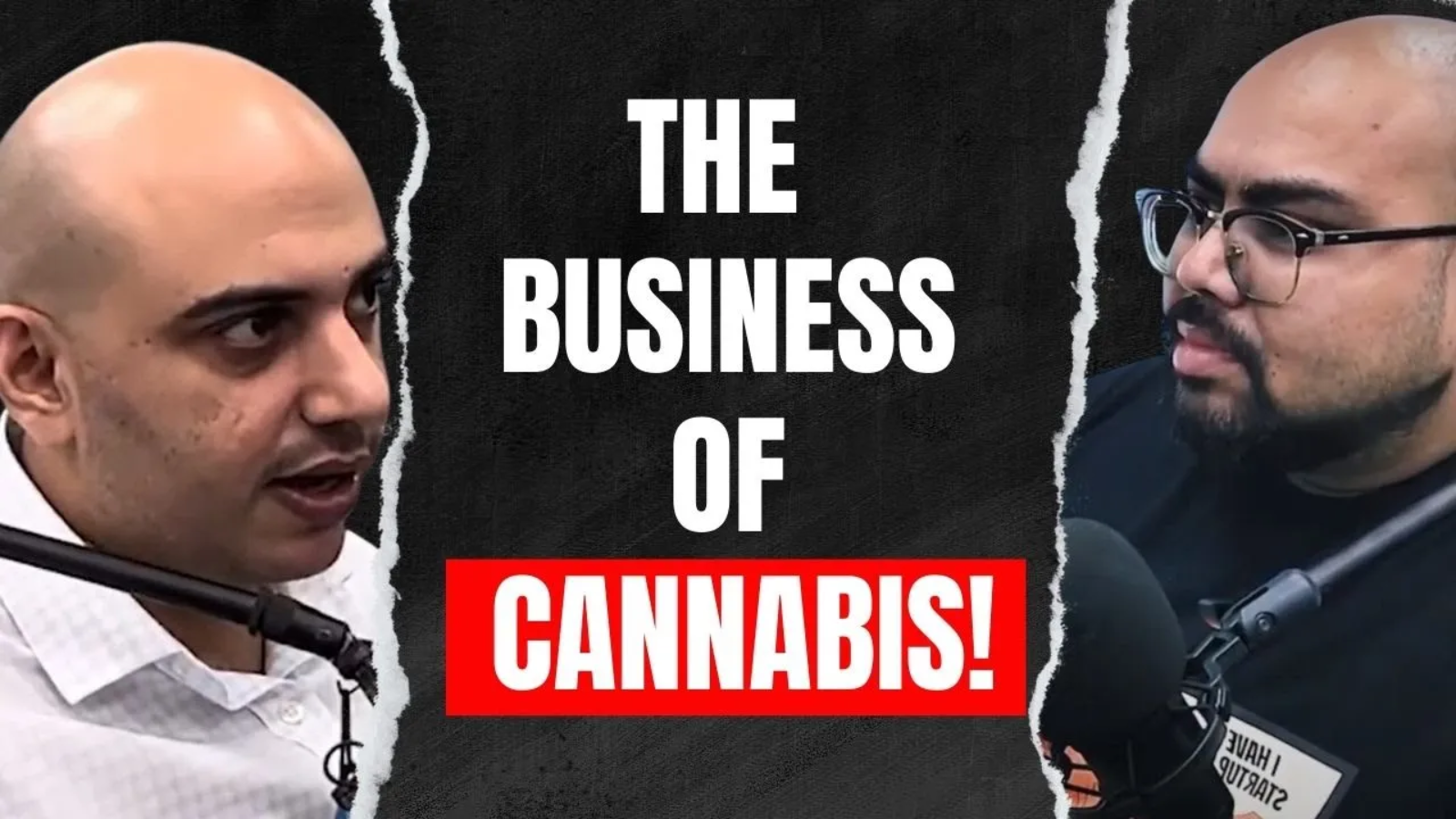
From Seed to Success: The Story of BoHeCo
Jahan Peston Jamas’ Journey to Building the Biggest Hemp Brand in India
In this podcast episode, the host interviews Jahan Peston Jamas, who is the co-founder of BoHeCo, a leading hemp company in India. They talk about his journey as an entrepreneur and how he came up with the idea of starting a hemp company. They also discuss the challenges he faced in the early days of the company and how he overcame them. Finally, they talk about the future of the hemp industry in India and what Jahan Peston Jamas sees for the future of BoHeCo.
Top 5 Discussions
- Jahan Peston Jamas’ Journey as an Entrepreneur: Jamas shares his experience of starting BoHeCo and the challenges he faced in the early days.
- How BoHeCo Came to Be: Jamas talks about how he came up with the idea of starting a hemp company and the research he did to make sure it was a viable business.
- The Challenges of Starting a Hemp Company: Jamas discusses the challenges he faced in the early days of BoHeCo, such as getting funding and overcoming regulatory hurdles.
- The Future of the Hemp Industry in India: Jamas believes that the hemp industry in India has a bright future and that BoHeCo is well-positioned to be a leader in the industry.
- What Jahan Peston Jamas Sees for the Future of BoHeCo: Jamas says that he wants BoHeCo to be a global leader in the hemp industry and to help people improve their lives through the use of hemp products.
Jahan Peston Jamas is a passionate entrepreneur who has built a successful hemp company in India. He is a visionary who sees the potential of hemp to improve the lives of millions of people. His journey is an inspiration to anyone who wants to start their own business and make a difference in the world.
If you are interested in learning more about BoHeCo or the hemp industry in India, listen to the Full Podcast.

Product-Led Growth: A New Era of SaaS Monetization
This is about product-led growth, which is a way to monetize your SaaS business in which your product automatically upsells itself complicated products. The speaker of the video, Ruchin Kulkarni, is the co-founder and CEO of Topline.
Product-led growth (PLG) is a business strategy where a company’s product is the primary driver of user acquisition, activation, and retention. Unlike traditional sales-led or marketing-led approaches, PLG focuses on creating a product that is so valuable and easy to use that users naturally discover and adopt it, leading to organic growth.
- Core Principles of PLG:
- Free or freemium model: Offering a basic version of the product for free or at a low cost to attract users.
- Self-serve onboarding: Making it easy for users to get started and understand the product’s value.
- In-product upsells: Offering premium features or additional services within the product itself.
- Viral loops: Designing the product to encourage users to share it with their network.
- Customer success focus: Prioritizing customer satisfaction and retention over short-term revenue.
- Challenges and Opportunities:
- Monetization: Finding the right balance between offering value for free and generating revenue.
- Product-market fit: Ensuring that the product meets the needs of the target market.
- Scaling: Growing the user base and revenue efficiently.
- Competition: Differentiating the product from competitors.
- Customer support: Providing adequate support to users, especially during the early stages of adoption.
- Best Practices for PLG:
- Focus on user experience: Create a product that is intuitive, easy to use, and delivers value.
- Build a strong product team: Invest in talented product managers, engineers, and designers.
- Measure and iterate: Continuously track key metrics and make data-driven improvements.
- Leverage customer feedback: Listen to customers and incorporate their suggestions into the product.
- Create a culture of innovation: Encourage experimentation and risk-taking.
- Case Studies of Successful PLG Companies:
- Slack: The popular team communication platform that grew rapidly through a freemium model and viral loops.
- Dropbox: The file-sharing service that offered a generous free plan and leveraged referrals to attract new users.
- Zoom: The video conferencing tool that gained widespread adoption during the COVID-19 pandemic due to its ease of use and reliability.
- Figma: The collaborative design platform that has disrupted the traditional design software market with its cloud-based approach.
- The Future of PLG:
- AI-powered PLG: Integrating artificial intelligence to personalize the user experience and optimize product features.
- Platform PLG: Building platforms that enable other businesses to build their own products on top of the core platform.
- PLG beyond SaaS: Applying the principles of PLG to other industries, such as e-commerce, fintech, and healthcare.
As the SaaS landscape continues to evolve, product-led growth is becoming an increasingly important strategy for companies looking to achieve sustainable growth and long-term success. By understanding the core principles, challenges, and best practices of PLG, businesses can position themselves to capitalize on this emerging trend and build thriving product-driven companies.
To know more, Click Here

AR and VR: A New Reality for Marketing and Beyond
Snehaal Dhruv, is the co-founder of Superfan Studio, a full-stack immersive studio which is building in the AR, VR, and MR space. In the video, he talks about his journey of building Superfan Studio, the challenges he faced, and the opportunities he sees in the AR and VR space. He also talks about the different ways in which AR and VR can be used, such as for marketing, education, and entertainment.
Augmented reality (AR) and virtual reality (VR) are revolutionizing the way we interact with the digital world. By overlaying digital information on the real world or immersing users in a completely virtual environment, these technologies offer endless possibilities for marketing, education, entertainment, and more.
- The Rise of AR and VR:
- A brief history of AR and VR technologies.
- The factors driving their recent growth and adoption.
- The key players in the AR and VR industry.
- Applications of AR and VR:
- Marketing and advertising: Creating immersive experiences for consumers.
- Education and training: Enhancing learning and development.
- Entertainment: Providing new forms of gaming, movies, and social experiences.
- Healthcare: Assisting in medical procedures and patient care.
- Architecture and design: Visualizing and exploring designs before construction.
- Challenges and Opportunities:
- Technical limitations: Overcoming hardware constraints and improving performance.
- User experience: Designing intuitive and engaging experiences.
- Content creation: Producing high-quality AR and VR content.
- Privacy and security: Addressing concerns about data collection and misuse.
- Accessibility: Ensuring that AR and VR are inclusive for all users.
- Case Studies of Successful AR and VR Implementations:
- Examples of innovative AR and VR applications from various industries.
- The impact of these implementations on business outcomes and user experiences.
- The Future of AR and VR:
- Emerging trends and technologies in the AR and VR space.
- Potential future applications and use cases.
- The long-term impact of AR and VR on society and culture.
As AR and VR continue to evolve, they offer exciting new opportunities for businesses and individuals to connect, learn, and entertain. By understanding the key trends, challenges, and applications of these technologies, we can better prepare for the future of immersive experiences.
To learn more about AR and virtual reality VR, click here

Bootstrapping to $20 Million: The PitchGround Story
Udit Goenka, is the co-founder of PitchGround, a SaaS marketplace. In the video, he talks about his journey of bootstrapping PitchGround, the challenges he faced, and the lessons he learned. He also talks about the importance of building a personal brand, finding the right product-market fit, and being patient.
Bootstrapping, the process of building a business without external funding, has become increasingly popular among entrepreneurs. Udit Goenka, co-founder of PitchGround, a SaaS marketplace, offers valuable insights into his journey of bootstrapping the company to a $20 million valuation.
- The Benefits of Bootstrapping:
- Control: Maintaining ownership and decision-making power.
- Focus: Prioritizing product development and customer acquisition.
- Risk mitigation: Avoiding the dilution of equity.
- Resilience: Building a sustainable business model that can weather economic downturns.
- Challenges of Bootstrapping:
- Limited resources: Lack of funding for marketing, growth, and hiring.
- Slower growth: Compared to venture-backed companies.
- Difficulty attracting talent: Without the prestige of VC funding.
- Pressure to achieve profitability: Early on.
- Key Strategies for Bootstrapping Success:
- Product-market fit: Identifying a profitable market niche and building a product that meets customer needs.
- Customer acquisition: Developing effective marketing and sales strategies to attract and retain customers.
- Revenue generation: Implementing monetization models that generate sustainable revenue.
- Financial discipline: Managing expenses carefully and prioritizing profitability.
- Building a strong team: Assembling a talented and motivated team.
- Lessons Learned from PitchGround’s Bootstrapping Journey:
- The importance of personal branding: Building a strong online presence and thought leadership.
- The value of patience: Persevering through challenges and setbacks.
- The power of community: Leveraging online communities and networks.
- The role of mentors: Seeking guidance and support from experienced entrepreneurs.
- The Future of Bootstrapping:
- The rise of micro-VCs: Providing smaller amounts of funding to bootstrapped companies.
- The impact of AI and automation: Reducing costs and increasing efficiency.
- The changing landscape of entrepreneurship: New opportunities and challenges for bootstrappers.
Bootstrapping a SaaS company to a $20 million valuation is a significant achievement. Udit Goenka’s story provides valuable insights into the strategies, challenges, and rewards of this path. By understanding the benefits, challenges, and key strategies, entrepreneurs can make informed decisions about whether bootstrapping is the right approach for their business.


