Bangalore Tech Symposium

Bangalore Tech Symposium: AI & the Future of Working in Tech

We just wrapped the Bangalore Tech Symposium — one of the most grounded conversations on AI in tech we’ve hosted so far. Organised by The Builders Club in association with Dell Technologies and AMD, the day brought together the people leading the curve — CTOs, GCC leaders, founders, operators and investors — for a focused, no-fluff look at how AI is reshaping the way tech businesses operate, compete and grow.

As the industry moves past experimentation, the discussion centred on what it actually takes to build, operate and scale in an AI-first world — from infrastructure and engineering systems, to enterprise-scale deployment inside GCCs, to how capital is flowing across the AI ecosystem. The day was built for depth, not breadth: a keynote fireside, three practitioner panels, and a networking dinner to close. 100+ attendees, 15 speakers.

A glimpse of the day

What a room. Beyond the stage, the real energy was in the conversations between sessions — the debates, introductions and perspectives exchanged in real time. Here’s the highlight reel.

View this reel on Instagram

The keynote fireside, with Dell

The day opened with a fireside featuring Madhumalar Anandan, Microsoft 365 & Workplace AI Leader at Dell Technologies, on “Rethinking Workplace Computing: What Modern Tech Teams Actually Need from Their Devices.” AI workloads aren’t what legacy infrastructure was built to handle — the conversation dug into the hidden performance ceilings created by legacy device setups, and what genuinely AI-ready infrastructure looks like for high-performance teams.

Tech Panel — Building an AI-First Workplace

The CTO perspective: rearchitecting infrastructure, overhauling engineering processes, and making the hard calls on where to invest and what to leave behind.

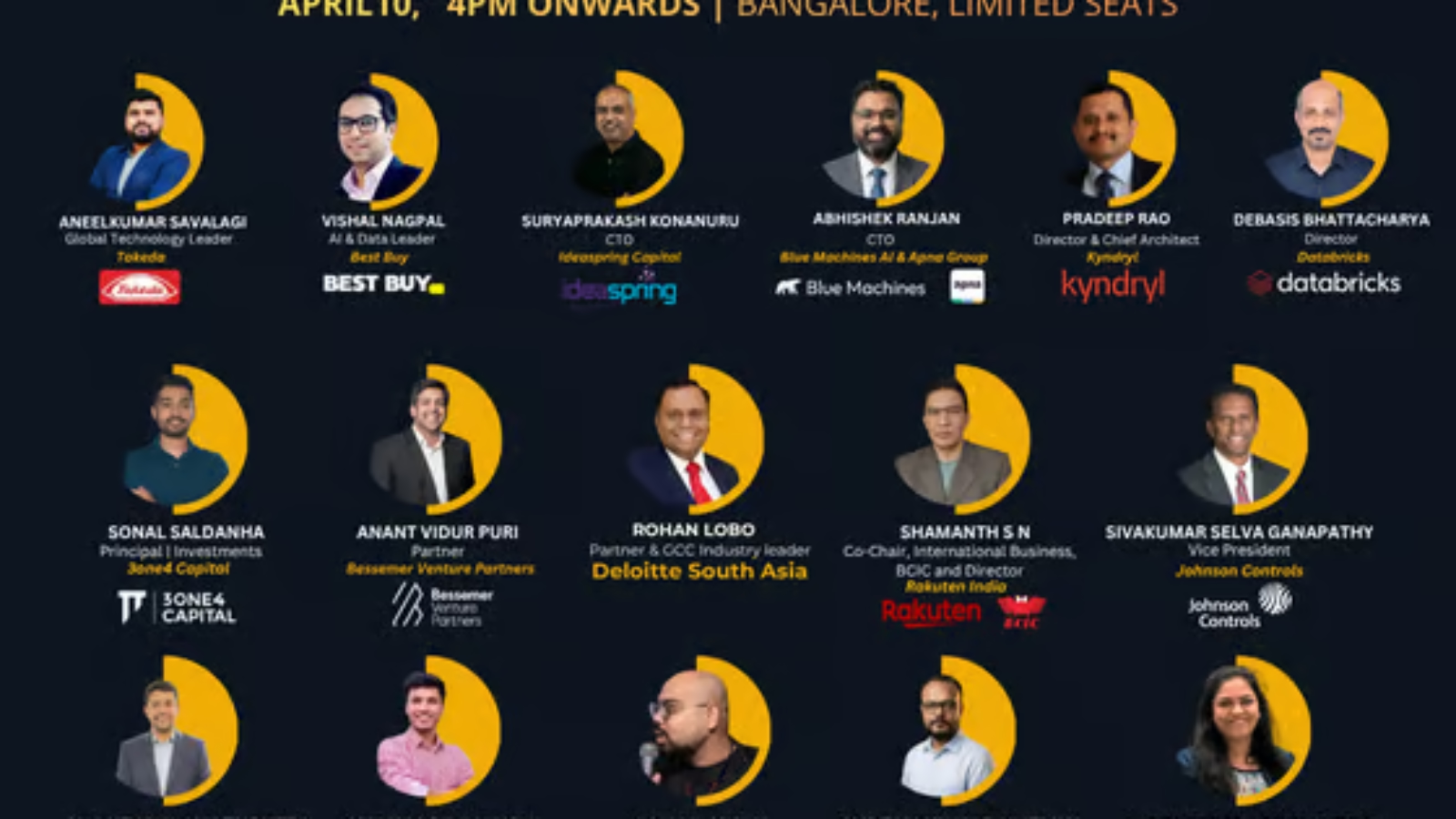
Abhishek Ranjan (Blue Machines AI & Apna Group), Debasis Bhattacharya (Databricks), Sivakumar Selva Ganapathy (Johnson Controls) and Suresh Kumar Khemka (Atlassian), moderated by Shamanth S N (Rakuten India | BCIC).

GCC Panel — The AI Productivity Multiplier

GCC leaders aren’t just adopting AI — they’re defining what enterprise-grade deployment looks like for the rest of the industry, setting requirements and making the talent and infrastructure calls.

Vishal Nagpal (Best Buy), Pradeep Rao (Kyndryl), Aneel Kumar Savalagi (Takeda) and Rohan Lobo (Deloitte), moderated by Sohail Khan (Founder, The Builders Club).

Investor Panel — Investing in the AI Era

A rare, unfiltered view of how investors are reading the landscape — what’s getting funded, and where durable value is actually being created.

Anant Vidur Puri (Bessemer Venture Partners), Shivam Rajvanshi (Together Fund), Sonal Saldanha (3one4 Capital) and Suryaprakash Konanuru (Ideaspring Capital), moderated by Shantanu Chaturvedi (Transition VC).

What the room actually took away

Across the fireside and the panels, a few themes kept surfacing — the kind of signal you only get when CTOs, GCC heads and investors are honest in the same room. AI is no longer a layer; it’s becoming the operating model. Infrastructure and data readiness are the real bottlenecks to scale. Productivity gains are real, but capturing them as advantage is still uneven. And the gap between companies moving fast and those waiting is widening rapidly.

Moments from the room

View this post on Instagram

Who was in the room

The Symposium was built for the leaders already in the arena — IT and technology leaders rebuilding from the inside, GCC and enterprise tech heads deploying at scale, founders and business heads across IT and SaaS, and investors looking for ground-level signal. That mix is exactly what The Builders Club is built around. Not just events — rooms for real conversations. More to come.

inthebuildersclub_1740659408_3577232844504114603_45770748198

A Date with an investor Series

A Date With An Investor: How We Got Founders and VCs Talking Over Coffee — No Pitch Decks Allowed

A Date With An Investor is one of The Builders Club’s most loved and most unique initiatives. The premise is simple but rare: we hand-pick a small group of founders whose company resonates with a specific investor’s thesis, and we put them in the same room — usually the investor’s own office, over coffee and conversation.

No slides. No panels. No 60-second elevator pitches. Just 4–5 carefully curated founders and an investor having a real, high-context conversation about building, raising, and scaling. Founders apply against each investor’s published funding criteria, so every person in the room is genuinely relevant to the fund — and the investors get to meet a shortlist of startups that actually match what they’re looking to back.

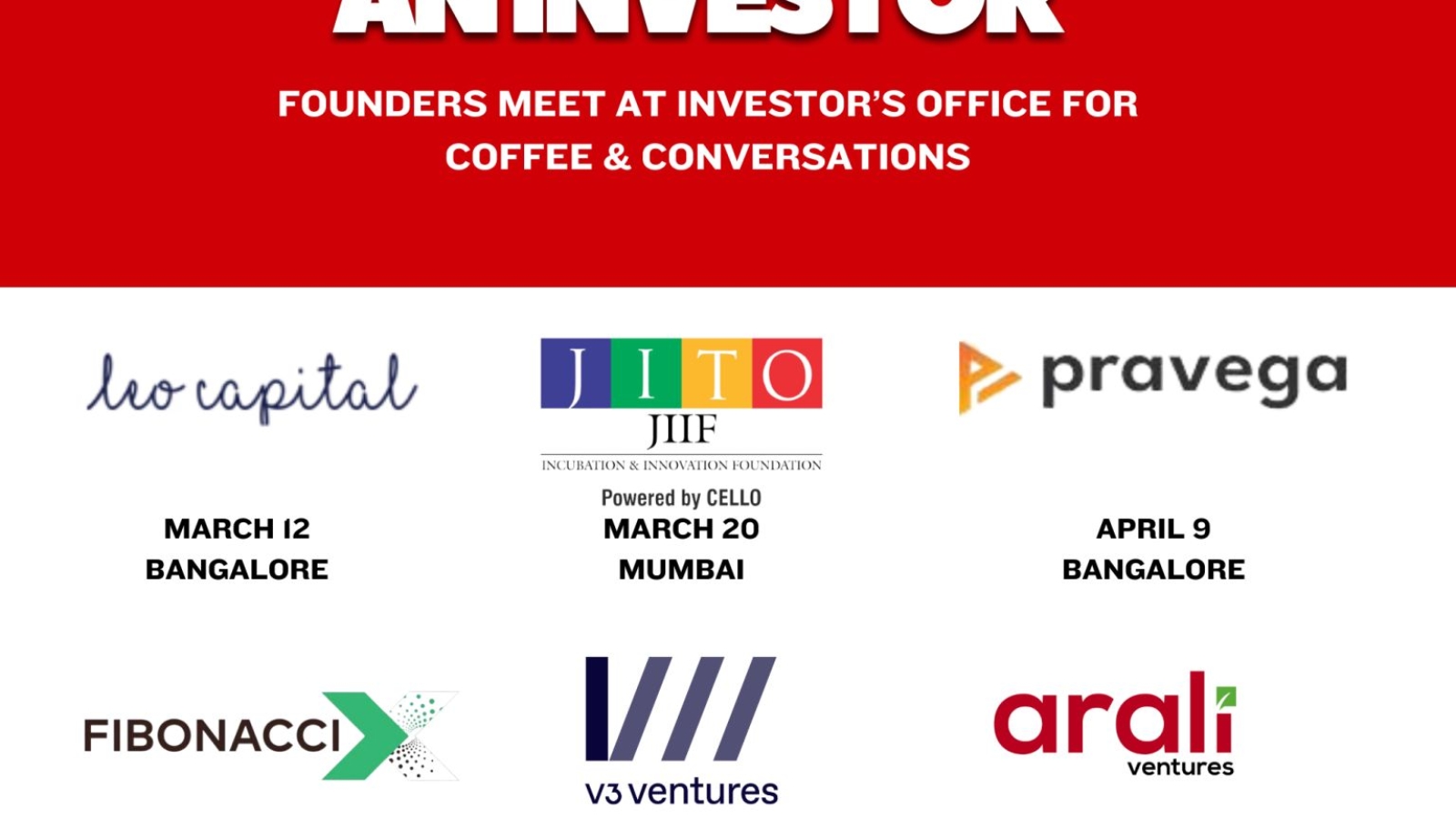
Across this series we partnered with some of India’s sharpest early-stage funds — Ideaspring Capital, Leo Capital, JITO, Pravega Ventures, Fibonacci X, V3 Ventures, Signal Ventures, She Capital and Arali Ventures — across Bangalore, Mumbai and Delhi. Here’s how it unfolded.


The Line-Up: Dates With Investors Across Delhi, Mumbai & Bangalore

We announced the season with a full slate of investor dates — each fund mapped to a clear thesis so founders could register against the right one. The format stayed constant throughout: 4–5 founders, the investor’s office, coffee and conversation. No pitch decks, only discussions.

View this post on Instagram

1. Ideaspring Capital — Bangalore

The thesis: Ideaspring Capital is a deep-tech-focused fund that writes cheques ranging from $1 million to $3 million for MVV+ (minimum viable venture) startups.

This edition was uniquely curated — The Builders Club carefully shortlisted startups based on their founding thesis, ensuring a high-quality, high-relevance engagement for everyone in the room. Here are the highlights:

View this post on Instagram

2. Leo Capital — Bangalore

The thesis: Leo Capital invests an average cheque size of $1–3M in B2B Enterprise Tech.

  • Industry: B2B Enterprise Tech
  • Stage: ARR > $100K
  • Where: Bangalore, at the investor’s office

4–5 founders got the opportunity to meet the team over coffee and conversations — no pitch decks, only discussion.

View this post on Instagram

3. JITO Incubation & Innovation Foundation — Mumbai

The thesis: Sector agnostic. JITO Incubation & Innovation Foundation joined the series in Mumbai, open to founders across industries — the same intimate, office-table format, built around real conversation rather than a formal pitch.


4. Pravega Ventures — Bangalore

The thesis: Pravega Ventures backs B2B Enterprise Tech with cheque sizes of $1–5M.

  • Cheque size: $1–5M
  • Industry: B2B Enterprise Tech
  • Stage: ARR > $100K

We brought five curated founders into an unstructured, high-context, founder-first conversation — no slides, no panels, just real talk. The founders who joined: Srijan Jain (DexyAI), Dhiraj Jain (DotKonnekt), Manohar C. (Parentof), Vijay H Madhusudan (Evate Technologies), Dax Percey Abraham (Videoit.io) and Ayush Agrawal (Kubo Care). The best part? Two founders found instant synergy and started collaborating.

View this post on Instagram

5. Fibonacci X — Delhi NCR

The thesis: Fibonacci X runs a 6-month, scope-based, non-cohort accelerator for startups building in the GenZ & Alpha industry, or with a Bharat-focused story. They love being the first investor on your cap table.

  • Theme: Gen Z, Gen Alpha, Middle India (Bharat)
  • Industry: Agnostic
  • Stage: Early-stage
  • Traction: INR 50L – 1Cr ARR
  • Investment size: INR 25L – 1Cr

This Investor Date was part of the Fibonacci X 6-month accelerator — designed for startups building for Bharat and the broader industrial ecosystem. Five founders joined: Dev Tyagi (CTO, Codefancy Lab), Saurabh Singhai (CEO, CB Business Solution), Siddhant Aggarwal (Luxid Tech), Vivek (Luxid Tech) and Vikrant Shome (Founder & CEO, AcadSpace Technologies). Rather than a typical pitch session, it was an open floor for honest, cross-questioned feedback from peers and investors alike.

View this post on Instagram

6. V3 Ventures — Mumbai

The thesis: V3 Ventures backs Consumer Tech & Consumer Brands with cheques of $1M–$5M, from Seed to Series A.

  • Investment size: $1M – $5M
  • Focus areas: Consumer Tech & Consumer Brands
  • Stage: Seed to Series A

Five early-stage founders came together for a closed-door conversation on building from 0 to 1 — navigating PMF, GTM pivots and all the chaos in between. Thanks to Anmol Mahajan, Anoushka Rele, Joshua Salins, Karan Sharma and Tejas Bhamare for joining, and to Arjun Vaidya and Abhiram Bhalerao from V3 Ventures for showing up not just with capital, but with conviction, empathy and game-changing perspective.

View this post on Instagram

7. Signal Ventures

The thesis: Signal Ventures backs disruptive, early-stage startups — leading and co-leading rounds at the Seed / Pre-Seed stage.

  • Stage: Seed / Pre-Seed (leads & co-leads rounds)
  • Sectors: Consumer, Health-tech, Media-Tech
  • Avg cheque size: ₹75 Lacs – ₹1.25 Cr
  • Valuation focus: Sub ₹50 Cr (≈ $6M), up to $10M in exceptional cases

Only 4–5 founders got the chance to meet Signal Ventures at their office — an exclusive opportunity to pitch, gain insights and connect over coffee, with a shot at funding, mentorship and strategic investor perspective.

View this post on Instagram

8. She Capital — Delhi

The thesis: She Capital is India’s leading fund for high-growth, women-led and co-led startups with the vision and capability to scale globally. Having already backed 14 startups — including Ellementary, Brainsight and Clovia — they champion the future of inclusive entrepreneurship.

  • Focus areas: Consumer, Retail, Sportstech, Deeptech, AI
  • Minimum criterion: Revenue positive
  • Minimum ticket size: ₹1 – 2 Cr

For this closed-door mixer in Delhi, we curated a group of five dynamic women founders — two joining virtually from Mumbai and Bangalore. From early traction to scaling bottlenecks and GTM pivots, each founder laid out her journey candidly, met with high-quality, actionable feedback and peer learning. One standout conversation came from Polish Me Pretty, who offered a sharp lens into the Q-commerce space.

View this post on Instagram

9. Arali Ventures — Bangalore

The thesis: Arali Ventures backs B2B founders with cheques of $500K–$1M.

  • Stage: $100K+ ARR for SaaS, early traction for others
  • Sectors: SaaS, Marketplaces, Deeptech, Fintech, Industry 4.0
  • Cheque size: $500K – $1M

This was one of our most insightful editions yet. In an intimate, highly curated setting, eight handpicked founders got the rare opportunity to pitch their startups — not just to investors, but to each other. Each founder presented, took questions and received real-time feedback on everything from GTM to positioning. A few soft introductions to potential clients and advisors were even made right in the room. For Arali Ventures, it was an efficient way to meet highly relevant founders aligned with their thesis — all in one session, under one roof.

View this post on Instagram

More Such Dates Coming Soon

A Date With An Investor is more than a pitch event — it’s an interactive founder–investor roundtable designed to help founders refine their story, gather actionable feedback, and build meaningful relationships with both peers and investors. It’s where founders get seen, heard and supported, with real outcomes and a real community behind them.

If you’re a founder looking to sharpen your narrative, or an investor looking to meet promising early-stage startups without the noise — we’re building exactly for you. We’re just getting started.


maxresdefault (6)

How an investor Thinks | Manish Johari, Lead Angels, Maple Capital advisors

How an investor Thinks | Manish Johari, Lead Angels, Maple Capital advisors

The speaker in the podcast is Manish Johari, who has 25 years of experience in the investment ecosystem. He talks about what investors look for when they are investing in startups. He also talks about the importance of having a strong business model and a clear value proposition. He also talks about the importance of having a good team and a strong culture. Finally, he talks about the importance of having a clear exit strategy.

Here are some of the key points that Manish Johari makes in the podcast:

  • Investors are looking for startups with a strong business model and a clear value proposition.
  • Startups need to have a good team and a strong culture.
  • Startups need to have a clear exit strategy.
  • Investors are looking for startups that are solving real problems.
  • Startups need to have a strong community.
  • Startups need to be focused on their customers.
  • Startups need to have a clear understanding of their competition.
  • Startups need to be able to tell a good story.
  • Startups need to be able to raise money.
  • Startups need to be able to manage their resources effectively.

Manish Johari also talks about the importance of having a good relationship with your investors. He says that it is important to keep your investors updated on your progress and to be transparent with them about your challenges. He also says that it is important to be able to articulate your vision for your company and to be able to answer questions about your business in a clear and concise way.

Overall, this is a very informative podcast about how an investor thinks. It is a must-listen for any entrepreneur who is looking to raise money from investors.

Here are some additional points that Manish Johari makes in the podcast:

  • The importance of having a strong brand
  • The importance of having a good marketing strategy
  • The importance of having a good customer service strategy
  • The importance of having a good sales strategy
  • The importance of having a good product development strategy
  • The importance of having a good financial management strategy

Manish Johari also talks about the importance of being patient and persistent. He says that it takes time to build a successful startup. He also says that it is important to learn from your mistakes and to never give up on your dreams.


Key Questions asked:

“What are the top 3 things investors look for in a startup?”

  • Answer:
    • A strong, defensible business model with high growth potential.
    • A passionate and experienced founding team with a clear vision.
    • A large and addressable market with a significant unmet need.

“How important is team culture in an investment decision?”

  • Answer:
    • Team culture is crucial. Investors look for teams that are aligned, collaborative, and resilient. A strong culture fosters innovation and helps navigate challenges.

“What are some common red flags that deter investors?”

  • Answer:
    • Weak financials, lack of a clear competitive advantage, a history of missed milestones, and a founder’s lack of conviction in their own vision.

“How can startups effectively communicate their value proposition to investors?”

  • Answer:
    • Through a concise and compelling pitch deck that highlights the problem, solution, market opportunity, team, and financial projections.

“What are the different exit strategies that investors consider?”

  • Answer:
    • Initial Public Offering (IPO), acquisition by another company, or a strategic partnership.

“How can startups build strong relationships with their investors?”

  • Answer:
    • Regular and transparent communication, proactive updates on progress, and seeking advice and guidance from investors.
maxresdefault (5)

Understanding the Real Money Gaming space | Puneet Dua – Cofounder, Sportsbaazi

Understanding the Real money gaming ecosystem | Puneet Dua – Cofounder, Sportsbaazi

The guest of the podcast is Puneet Dua, the co-founder and CMO of Sportsbaazi, a leading fantasy sports platform in India. He has a background in fashion and previously worked at Arvind Internet Limited, where he was involved in launching their e-commerce business. He met the founders of PokerBaazi while working at Arvind and was drawn to the idea of launching a sports-centric platform in the real-money gaming (RMG) space.

1. Introduction to Sportsbaazi:

  • Speaker: The host introduces Puneet Dua, co-founder and CMO of Sportsbaazi, a leading fantasy sports platform in India.
  • Guest: Puneet briefly explains that Sportsbaazi started as a fantasy sports platform but has evolved into a full-fledged platform offering prediction games and the ability to create custom leagues.

2. Puneet Dua’s Background:

  • Guest: Puneet shares his background in fashion, having specialized in marketing and worked at Arvind Internet Limited. He was involved in launching their e-commerce business and managing their online supply chain.
  • Guest: He met the founders of PokerBaazi while working at Arvind and was drawn to the idea of launching a sports-centric platform in the real-money gaming (RMG) space.

3. Founding of Sportsbaazi:

  • Guest: Puneet and his co-founders, Saurav and Nivesh, founded Sportsbaazi in 2017.
  • Guest: They leveraged the growing popularity of the Indian Premier League (IPL) and the overall expansion of cricket to fuel their platform’s growth.

4. Challenges and Opportunities in the Fantasy Sports Industry:

  • Guest: Puneet emphasizes the importance of consistent innovation in the fantasy sports industry to stay ahead of the competition.
  • Guest: He highlights the crucial role of user retention and the need to provide a valuable and engaging experience to keep players coming back.
  • Guest: He discusses the impact of the 28% GST on the industry and how Sportsbaazi adapted to remain profitable within six months.

5. The Role of Influencers in the Fantasy Sports Industry:

  • Guest: Puneet acknowledges the growing influence of sports personalities and experts in the fantasy sports space.
  • Guest: He mentions the trend of former cricketers becoming active fantasy players and influencers, citing examples from international markets.

6. Puneet Dua’s Daily Routine and Productivity Tips:

  • Guest: Puneet describes his typical workday, emphasizing the importance of regular check-ins with his team and daily performance reviews.
  • Guest: He shares his preference for using simple tools like Excel for tracking progress and maintaining a flexible schedule.
  • Guest: He highlights the importance of a healthy work-life balance and incorporating activities like yoga into his routine.

7. Future of Sportsbaazi:

  • Guest: Puneet outlines Sportsbaazi’s vision to become a leading player in sports trading and prediction leagues.
  • Guest: He emphasizes the importance of building a strong community around the platform through engaging content and interactive experiences.
maxresdefault (4)

The Indian Hemp Industry | Jahan Peston Jamas – Cofounder, BoHeCo

The Indian Hemp Industry | Jahan Peston Jamas – Cofounder, BoHeCo

The guest speaker in this podcast episode is Jahan Peston Jamas, the chief strategy officer of Bombay Hemp Company. He is one of the co-founders of the company and has been instrumental in its growth and success. Jamas has a strong background in entrepreneurship and has previously founded other successful startups. He is passionate about the potential of hemp to transform the Indian economy and improve people’s lives.

Key Points and Insights:

  • The Importance of Hemp in India’s History and Future:
    • The speaker emphasizes the historical significance of hemp in India, highlighting its use in various sectors like textiles, medicine, and construction.
    • He argues that India has the potential to become a major player in the global hemp industry, given its rich history with the plant and its vast agricultural resources.
    • The guest speaker, Jahan Peston Jamas, shares his personal journey of discovering the potential of hemp while traveling in Australia and witnessing its successful integration into the local economy.
  • Building the Bombay Hemp Company:
    • Jamas recounts the founding story of Bombay Hemp Company, emphasizing the collaborative spirit and diverse skillsets of the founding team.
    • He highlights the challenges they faced in navigating the regulatory landscape and building a market for hemp products in India.
    • He discusses the importance of building strong relationships with government officials and other stakeholders to drive policy changes and create a favorable environment for the hemp industry.
  • Overcoming Challenges and Building a Successful Hemp Business:
    • Jamas emphasizes the importance of patience, persistence, and a long-term vision for entrepreneurs entering the hemp industry.
    • He discusses the challenges of hiring qualified talent, navigating social stigma surrounding hemp, and securing funding.
    • He shares his experience in securing investment from prominent figures like Ratan Tata, highlighting the importance of building strong relationships and demonstrating a clear vision for the company.
  • The Future of Hemp in India:
    • Jamas expresses optimism about the future of the hemp industry in India, citing growing consumer awareness and increasing government support.
    • He believes that hemp can play a significant role in addressing various challenges facing India, such as rural poverty and environmental degradation.
    • He encourages entrepreneurs to focus on developing innovative and high-quality hemp products that meet the needs of the Indian market.

Overall, the video provides valuable insights into the challenges and opportunities associated with building a hemp business in India. It highlights the importance of collaboration, innovation, and a long-term vision for success in this emerging industry.

maxresdefault (3)

Community, Content, Capital | Naiyya Saggi – CoFounder, The Good Glamm Group

Community, Content, Capital | Naiyya Saggi – CoFounder, The Good Glamm Group

This is a odcast with Naiyya Saggi, the co-founder of The Good Glamm Group.

In the video, Naiyya Saggi talks about her journey as an entrepreneur, from starting a school in her own house to becoming the co-founder of one of Asia’s largest content creator commerce conglomerates. She also talks about the importance of community and content in building a successful business.

Some of the key points that Naiyya Saggi makes in the interview include:

  • The importance of solving real problems for people.
  • The power of community.
  • The importance of content.
  • The importance of scale.
  • The importance of trust.
  • The importance of purpose.
  • The importance of being authentic.
  • The importance of being in service of others.

Naiyya Saggi also talks about her experience as an investor and her thoughts on the future of the Indian startup ecosystem. She believes that India is poised to be the third largest consumer economy in the world and that there is a lot of opportunity for entrepreneurs in the country.

Overall, the video is a great resource for anyone who is interested in learning more about entrepreneurship, community, and content.

maxresdefault (2)

How founders should think | Prof. Dhruv Nath, Bestselling Author and Investor, Lead Angels

How founders should think | Prof. Dhruv Nath, Bestselling Author and Investor, Lead Angels

The guest in this podcast is Professor Dhruv Nath. He is an angel investor and the author of the book “Funding My Startup and Other Nightmares”. He is also a professor at MDI Gurgaon and has previously taught at IIT Delhi. He has mentored numerous startup founders and has a deep understanding of the Indian entrepreneurial ecosystem.

Key Points:

  • The Persistent Framework: This framework, developed by Professor Dhruv Nath, is a guide for building successful startups. It is based on the acronym “PERSISTENT,” which stands for:
  • Problem: The startup must solve a real problem for a specific group of people.
  • Earnings Model: There must be a clear and sustainable way to generate revenue from solving this problem.
  • Size of the Market: The market for the solution must be large enough to support significant growth.
  • Niche: Even in a large market, the startup should focus on a specific niche to avoid direct competition with larger players.
  • Scalability: The business model must be able to scale rapidly to maintain a competitive advantage.
  • Entry Barrier: There should be significant barriers to entry for competitors to enter the market.
  • Team: The founding team must be passionate, flexible, and knowledgeable about the business.
  • Resilience: The team must be able to overcome challenges and setbacks.
  • Importance of Validation: The video emphasizes the importance of validating the startup idea before seeking funding. This involves demonstrating proof of concept, gathering customer feedback, and building a minimum viable product (MVP).
  • Role of Investors: Investors play a crucial role in providing funding and guidance to startups. However, they are increasingly demanding proof of traction and a clear path to profitability before investing.
  • Building a Successful Startup: The video highlights the importance of passion, flexibility, and resilience for founders. It also emphasizes the need to understand the market, identify a niche, and build a scalable business model.

Overall, the video provides valuable insights for aspiring entrepreneurs on how to build successful startups. It emphasizes the importance of careful planning, thorough validation, and a strong team.

maxresdefault (1)

Understanding Myntra’s Founder Mindset with Vineet Saxena

Understanding Myntra’s Founder Mindset with Vineet Saxena

This is a podcast episode of The Builders Club with Vineet Saxena, the co-founder of Myntra. The episode is about Vineet’s entrepreneurial journey, including his early days at Myntra and his current venture, Card91. In the episode, Vineet talks about the challenges of starting a business in India, the importance of pivoting, and the role of funding in a startup’s success. He also discusses the importance of building a strong team and the challenges of scaling a business.

Early Days of Myntra

  • Vineet’s Background: Vineet Saxena is a techie who worked in various startups across Pune, Hyderabad, and Bangalore for seven years after graduating from IIT Kanpur. He started his entrepreneurial journey with a small service startup that provided tech solutions to other startups.
  • Founding Myntra: Vineet and his friend Ashutosh met Mukesh, who had an idea similar to CafePress, a personalized merchandising company in the US. They decided to bring a similar idea to India and founded Myntra in 2006.
  • Initial Focus on Personalized Merchandise: Myntra initially focused on personalized merchandise, such as IPL jerseys and mugs.
  • Pivot to Fashion and Lifestyle: In 2010, Myntra pivoted from personalized merchandise to a full-fledged fashion and lifestyle portal.

Entrepreneurial Mindset

  • Importance of Mentorship: Vineet emphasizes the importance of mentorship from experienced entrepreneurs, even if they are not from the internet industry. He advises seeking guidance from people who share the same vision and can provide valuable insights.
  • Following Your Gut: Vineet believes that ultimately, it is the entrepreneur’s decision to make, but mentorship can provide valuable guidance.
  • Dealing with Failures: Vineet views failures as an integral part of the learning process. He encourages entrepreneurs to learn from their mistakes and not give up easily.

Challenges of Starting a Business in India

  • Regulatory Hurdles: Vineet points out that the regulatory requirements in India can be lengthy and time-consuming, which can slow down the funding process.
  • Lack of Trust: In the early days of e-commerce in India, there was a lack of trust among consumers. Myntra addressed this by prioritizing customer satisfaction and building a strong reputation for trust.

Role of Funding

  • Funding as a Catalyst: Vineet acknowledges the importance of funding in scaling a business. However, he emphasizes the importance of bootstrapping and building a solid product before seeking external funding.
  • Choosing the Right Investors: Vineet advises entrepreneurs to choose investors who not only provide capital but also bring valuable expertise and connections.

Building a Strong Team

  • Importance of Team Dynamics: Vineet highlights the importance of building a strong team with complementary skills and a shared vision.
  • Delegation and Empowerment: Vineet emphasizes the importance of delegating tasks effectively and empowering team members to take ownership of their work.

Scaling a Business

  • Customer Acquisition Strategy: Myntra initially focused on acquiring customers through word-of-mouth referrals and leveraging corporate networks.
  • Building Trust: Myntra prioritized customer satisfaction and built a strong reputation for trust, which was crucial for growth in the early days of e-commerce in India.
  • Strategic Alliances: Vineet discusses the importance of strategic alliances with other businesses to expand into new markets and reach new customers.

Card91

  • Focus on Issuer Processing: Card91 focuses on providing the infrastructure for businesses to issue their own cards, rather than competing with existing card issuers like Happy or Slice.
  • Differentiation from Competitors: Card91 differentiates itself from competitors like Zeta and M2P by focusing on businesses as its primary customers and providing deep expertise in card issuance.

This podcast episode provides valuable insights into the entrepreneurial journey of Vineet Saxena, the co-founder of Myntra. It covers a wide range of topics, including the challenges of starting a business in India, the importance of building a strong team, and the role of funding in a startup’s success.

maxresdefault

D2C Business Model & Marketing Strategies | Shruti Agarwal, D2CInsider

D2C Business Model & Marketing Strategies | Shruti Agarwal, D2CInsider

Shruti Agarwal, a founding team member of D2C Insider, one of India’s largest D2C founder-focused communities. Shruti brings over 15 years of experience in e-commerce and 20 years in business, making her a valuable resource for insights into the evolving D2C landscape.

In this episode, we’ll delve into:

  • The evolution of e-commerce and the rise of D2C brands
  • The key elements of building a successful D2C brand
  • The challenges and opportunities facing D2C businesses
  • The role of technology and community in the D2C ecosystem

Whether you’re a seasoned entrepreneur or just starting your entrepreneurial journey, this conversation with Shruti Agarwal offers valuable insights into the world of D2C. So, let’s dive in!

Key Points and Discussion:

  1. Evolution of E-commerce:
    • The discussion starts with the evolution of e-commerce, tracing its roots back to platforms like Flipkart.
    • Early on, investors were hesitant to fund brands solely reliant on marketplaces.
    • Now, the focus has shifted to product quality, target audience, and consumption power.
  2. D2C: More Than a Trend:
    • D2C is essentially e-commerce first, with a focus on building a strong online presence from the outset.
    • Offline brands are increasingly adopting e-commerce strategies, but D2C brands prioritize online sales as their primary revenue stream.
    • D2C can encompass any online-first business, including services.
  3. Building a Strong D2C Brand:
    • Storytelling: D2C brands emphasize unique brand stories, often rooted in personal experiences and addressing specific consumer needs.
    • Innovation: D2C brands often introduce innovative products or approaches to existing categories.
    • Understanding the Target Audience: Deeply understanding customer needs and preferences is crucial for success.
    • Manufacturing and Logistics: Finding the right manufacturers and optimizing the supply chain are critical aspects.
    • Community Building: Engaging with customers and building a loyal community is essential for long-term growth.
  4. Challenges and Considerations:
    • Competition: The D2C space is becoming increasingly competitive, requiring brands to differentiate themselves.
    • Sustainability: Building a sustainable business model, both environmentally and financially, is crucial for long-term success.
    • Finding the Right Team: Assembling a skilled team with the right expertise is essential for growth.
  5. The Role of Technology:
    • Technology plays a crucial role in D2C, from building online platforms to managing customer relationships.
    • While technical expertise is valuable, it’s not always a prerequisite for success in D2C.
  6. The Importance of Community:
    • The D2C Insider community plays a vital role in supporting and connecting D2C founders.
    • The community fosters collaboration and knowledge sharing among its members.

Overall:

The podcast provides valuable insights into the D2C business model, highlighting the importance of strong branding, customer focus, and innovation. It also emphasizes the challenges and opportunities facing D2C brands in today’s competitive landscape.

maxresdefault

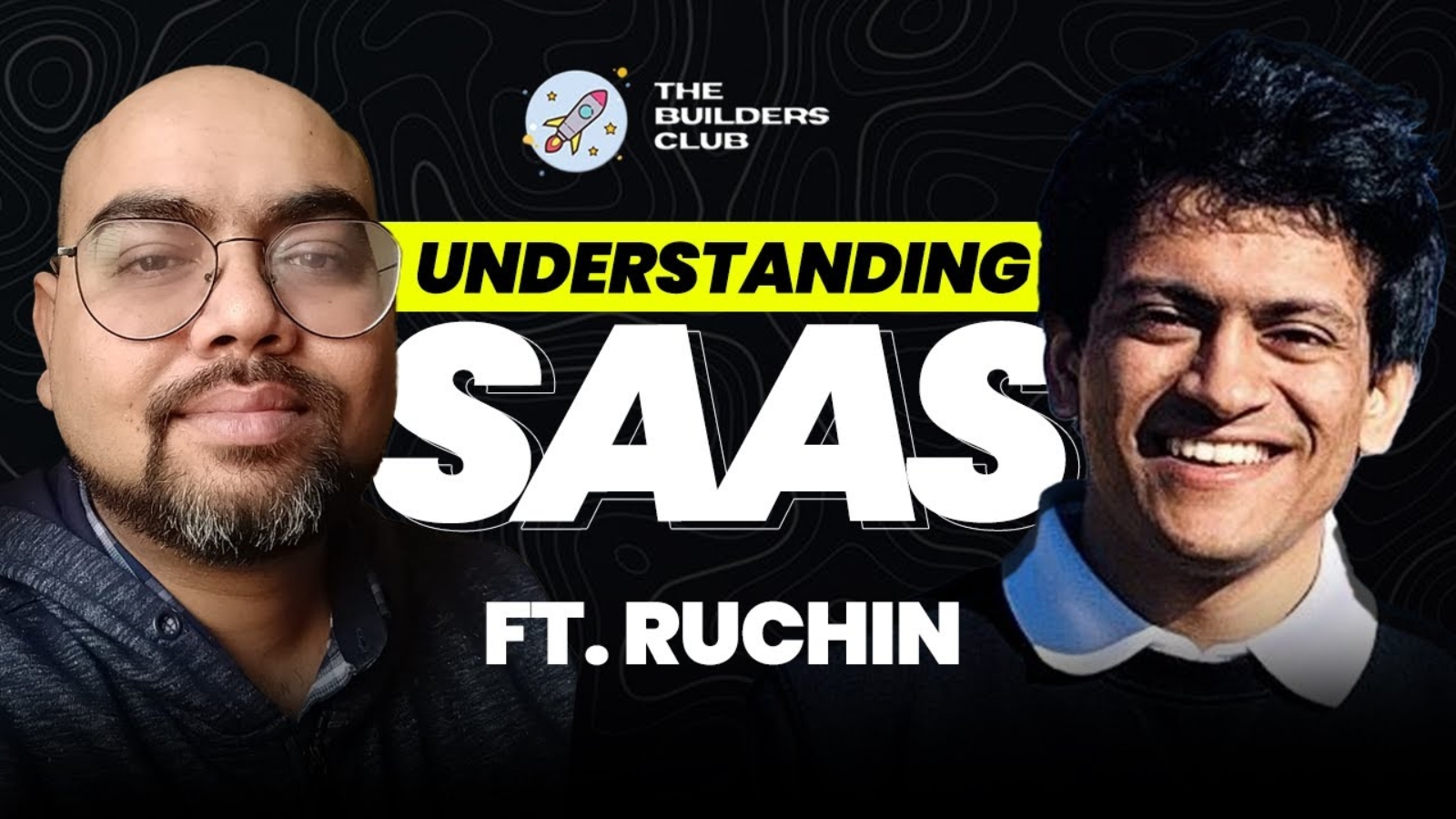
Ruchin Kulkarni, Cofounder Toplyne : Understanding SaaS Startups, Sales and Strategy

Ruchin Kulkarni, Cofounder Toplyne : Understanding SaaS Startups, Sales and Strategy

Ruchin is a serial entrepreneur with over 15 years of experience in the SaaS industry. He has founded and co-founded several successful SaaS companies, including Toplyne, which he founded in 2017.

In this episode, we’ll discuss the evolution of SaaS go-to-market strategies, from sales-led to product-led growth. We’ll also cover how Toplyne helps SaaS companies identify their most valuable users and increase their conversion rates. Additionally, we’ll touch upon the current state of the venture capital market and the challenges faced by early-stage startups in raising capital.

Evolution of SaaS Go-to-Market Strategies:

  • Sales-Led (Early 2000s):
    • Focused on large enterprise deals, driven by sales teams, and centered around on-premise software.
    • Question: How did SaaS companies transition from a sales-led to a product-led model?
    • Response: Ruchin Kulkarni: “The transition was driven by a few factors, including the rise of cloud computing, the increasing availability of free and open-source software, and the changing expectations of customers. Customers are now more likely to do their own research and evaluate products before talking to a salesperson. This has made it more difficult for sales teams to reach potential customers and close deals.”
  • Inbound Marketing (2010s):
    • Shifted focus to mid-funnel, leveraging search engine optimization and content marketing to attract leads.
    • Question: How did inbound marketing help SaaS companies scale their go-to-market efforts?
    • Response: Ruchin Kulkarni: “Inbound marketing helped SaaS companies reach a wider audience and generate more leads. By creating valuable content, such as blog posts, webinars, and ebooks, SaaS companies could attract potential customers who were already interested in their products. This helped to reduce the cost of customer acquisition and improve the quality of leads.”
  • Product-Led Growth (2020s):
    • Emphasizes user experience and product virality, targeting individual users within organizations.
    • Question: What are the key characteristics of product-led growth?
    • Response: Ruchin Kulkarni: “The key characteristics of product-led growth are self-service, freemium models, focus on user experience, and virality and referral loops. Product-led growth companies focus on creating products that are easy to use and adopt, and they offer free or trial versions of their products to attract potential customers. They also encourage users to invite others to use the product, which helps to grow their user base.”

Key Characteristics of Product-Led Growth:

  • Self-Serve: Minimal human intervention required for user onboarding.
  • Freemium Model: Offers free access to basic features to attract users.
  • Focus on User Experience: Prioritizes user-friendliness and ease of use.
  • Virality and Referral Loops: Encourages users to invite others to use the product.

Toplyne’s Role in Product-Led Growth:

  • Identifies High-Value Users: Analyzes user behavior data to predict which users are most likely to convert to paying customers.
  • Optimizes Go-to-Market Strategy: Helps companies tailor their sales and marketing efforts to target specific user segments.
  • Increases Conversion Rates: Improves the efficiency of converting free users into paying customers.

Challenges of Raising Capital in the Current Market:

  • Increased Scrutiny: Investors are more cautious and demand stronger fundamentals from startups.
  • Focus on Profitability: Emphasis on building sustainable businesses with healthy profit margins.
  • Competition for Funding: Increased competition among startups for limited capital.

Advice for Founders:

  • Focus on Fundamentals: Build a strong team, develop a differentiated product, and prioritize profitability.
  • Adapt to Market Conditions: Be prepared to adjust your strategy based on changing market dynamics.
  • Learn from Other Founders: Seek advice and mentorship from experienced entrepreneurs.