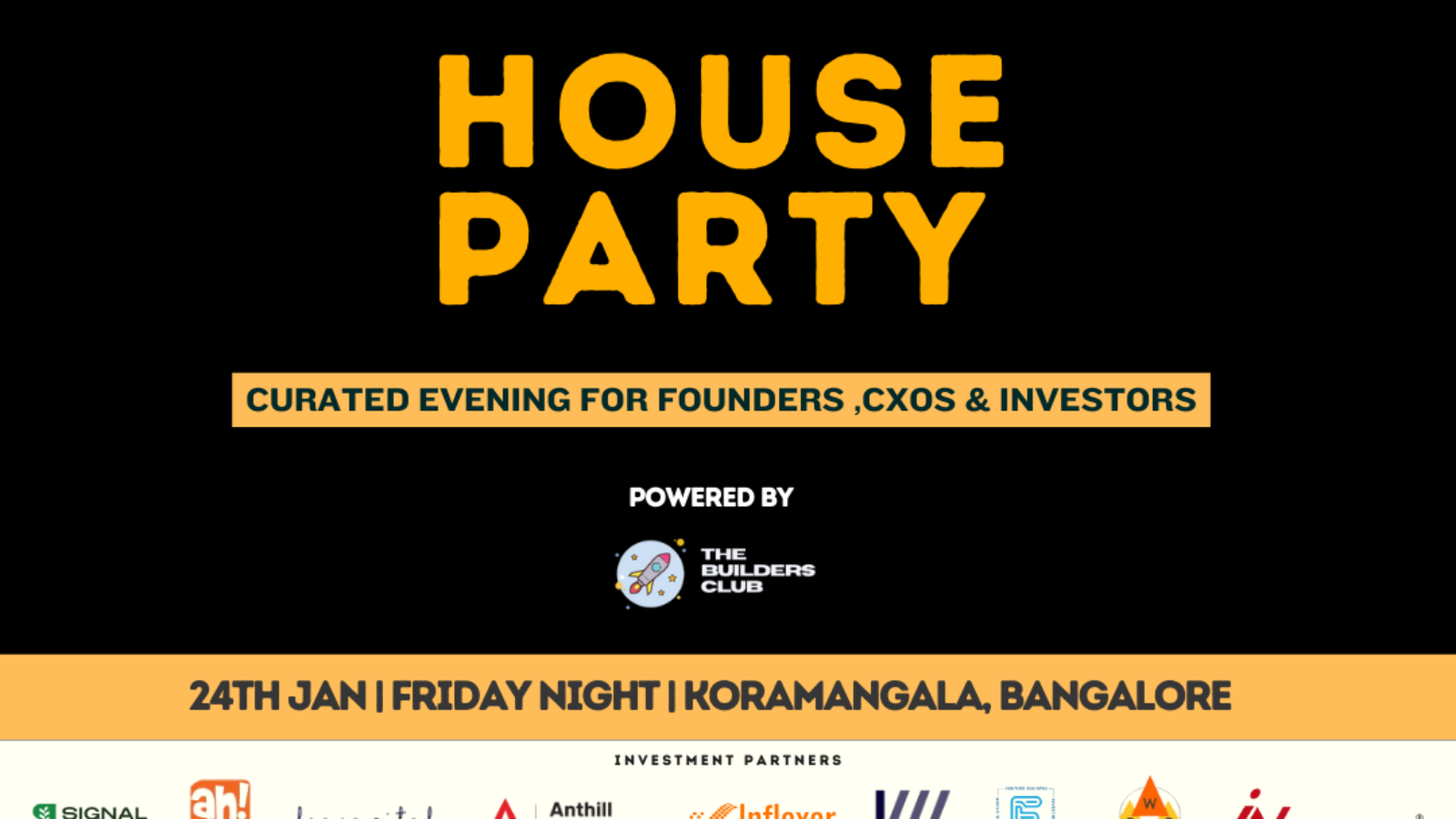
The Builders Circle House Party is a bimonthly gathering of Circle Members, CXO advisors, Investment partners and all other partners associated with us in this journey of building the best value providing community in the world.
This is an informal gathering where The Builders Circle Members get to meet the CXO advisors in person and build long term relationships with each other.
What happens at The House Party
individual introduction of all attendees
cocktail mixer & games
Sampling of partner products
As our ritual, we are opening up this closed door gathering to a few select industry leaders, founders and CXOs who fit the profile.
Register if you are interested in joining and knowing more about The Builders Circle.
Currently open for Bangalore Founders & CXOs only.
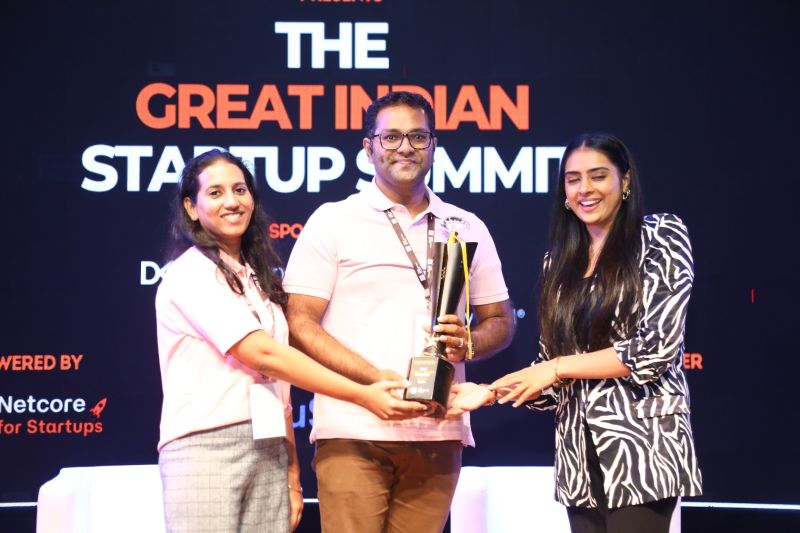
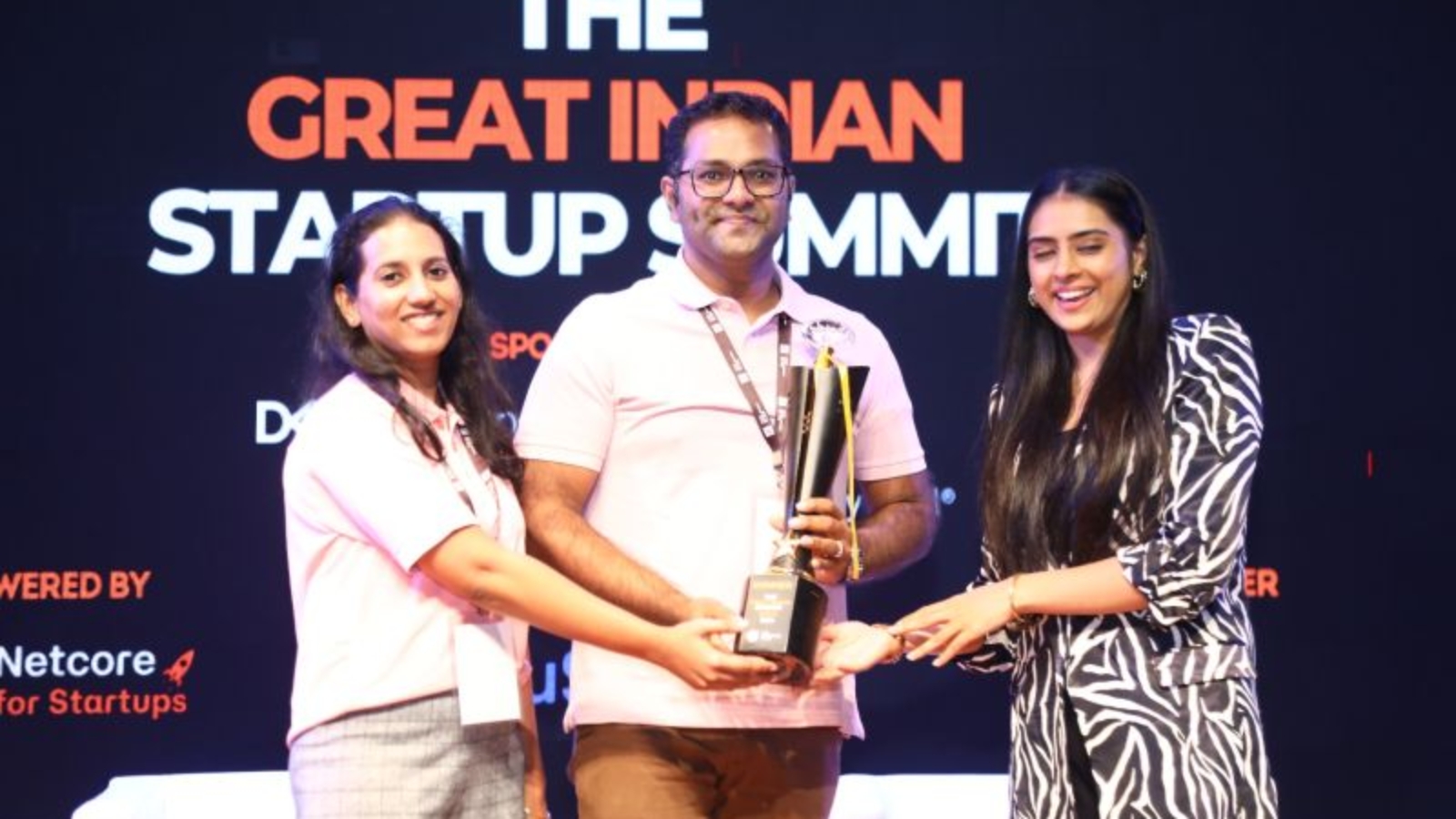
Ariro toys, the winners of The Great Indian Startup Summit Pitch competition last year, have closed their funding round with a little help from The Builders Club. 😊
Last year, we organized our first edition of The Great Indian Startup Summit, an annual event designed to celebrate, educate, and connect founders, Investors & CXOs across various industries.
For Ariro Toys, this summit proved to be a transformative experience, where they not just won The Great Indian Startup Pitch, but also were able to get funded using those connections.
Participating in The Great Indian Startup Summit allowed Ariro Toys to present their innovative Montessori products in front of 100+ investors, but also to gain their confidence by winning the pitch competition.
Ariro Toys’ participation in this event underscores the importance of being part of an ecosystem that nurtures and supports entrepreneurs. As they look to the future, Vasanth and Nisha are grateful for the connections and knowledge gained from the Builders Club, which will undoubtedly contribute to their journey in making sustainable, educational toys accessible to children across India.
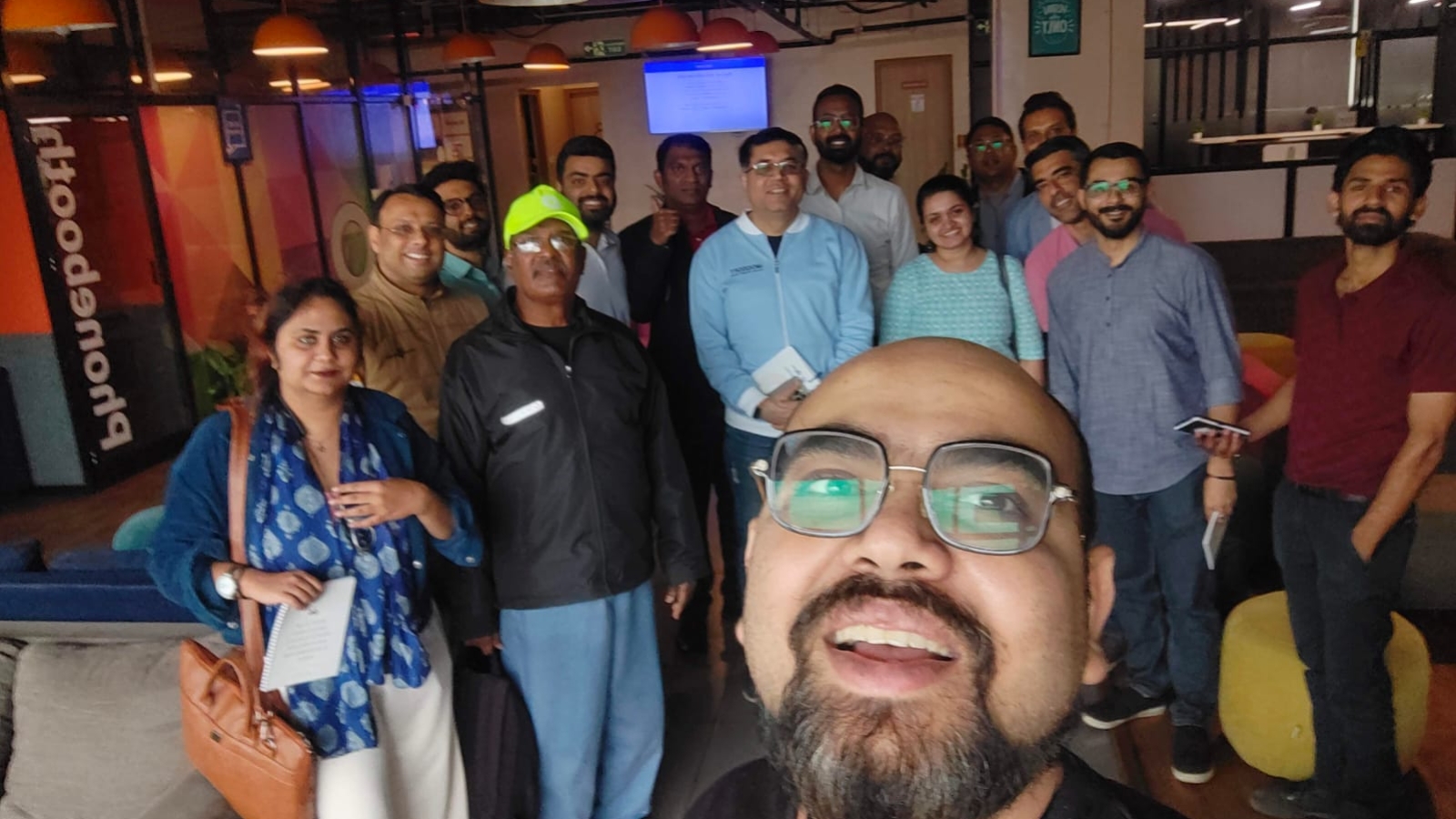
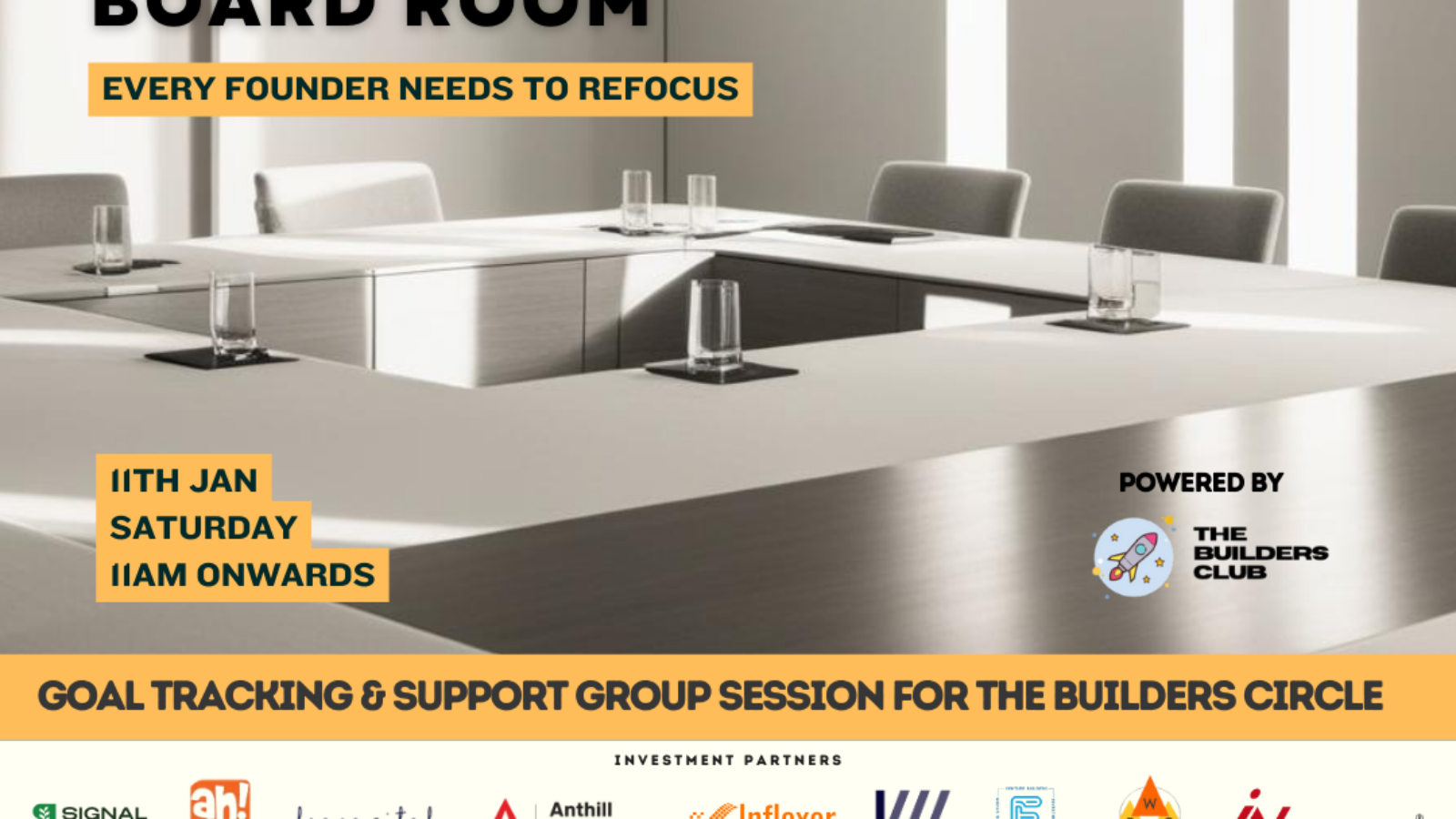
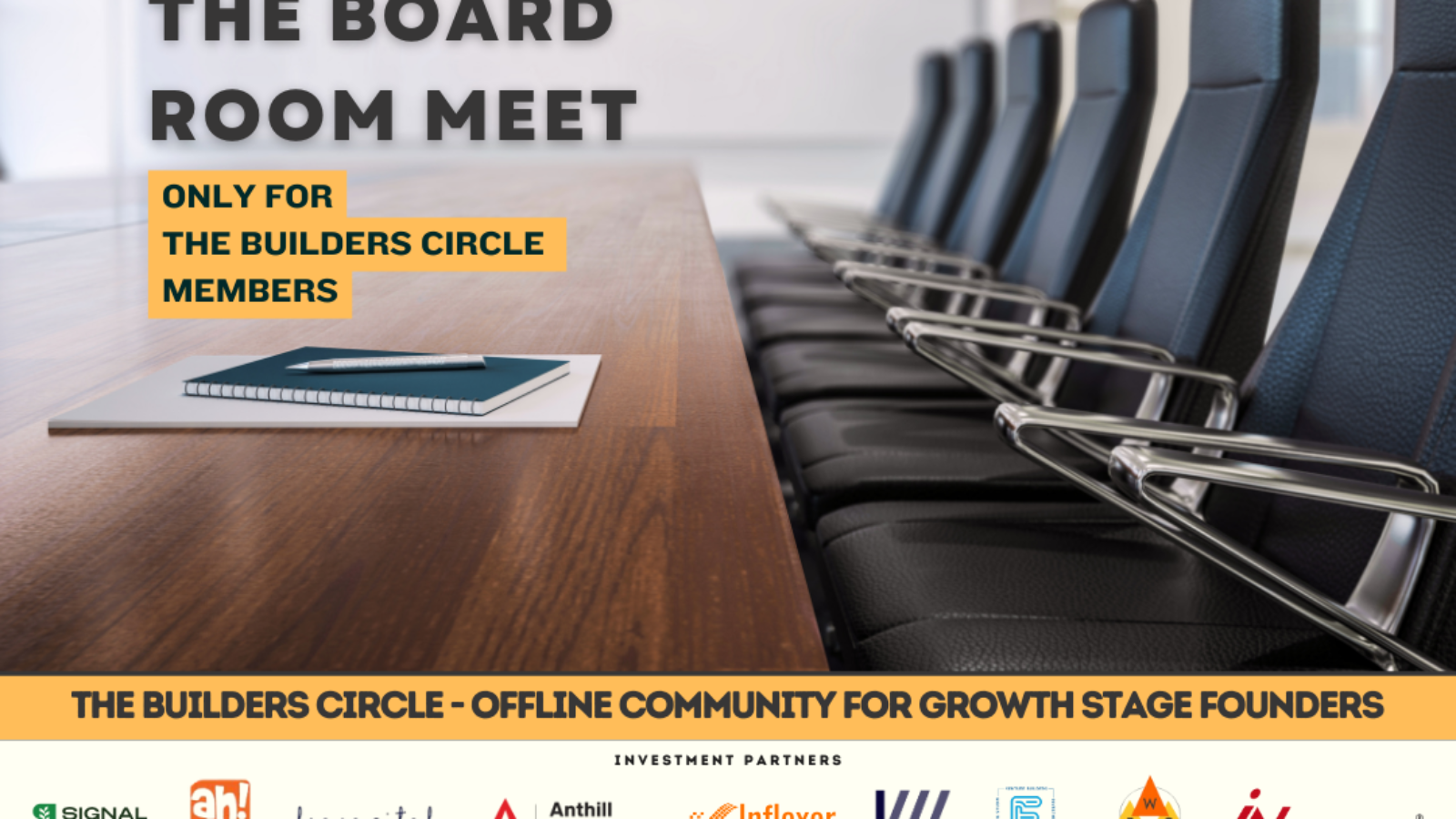
The Builders Circle hosted another power-packed boardroom meeting with 18 dynamic Founders and CXOs from diverse industries. Here’s what went down:
✅ Introductions: A warm welcome and introductions to kick things off. ✅ Workshop on Goal Setting: Practical strategies to level up our personal and professional goals. ✅ Give and Take Session: An engaging round where everyone shared their needs and offered support, fostering collaboration and growth.
The magic happened as attendees booked meetings with each other, unlocking opportunities and creating tangible impact.
This time, we welcomed guests to experience our sessions. Here’s who joined us:
Name
Company Name
Designation
Anmol Mahajan
Roamprime
Founder
Monica Shahi
Storeferry
Cofounder
Karthik Aradhya
GM Rejoyz
Director
Cyril S Thomas
WorkCrew
CEO
Vikrant Shome
AcadSpace Technologies
Founder & CEO
Dr Nayan Nanu
DIGITAL DENTAL
CEO
Arjun Makam
LaundroKart
COO
Dharmpal Chaudhary
Upcred.ai
Founder & CEO
Manas Shrivastava
CareMax Health Corporation
Founder
Anuj Ramachandra
Hexaleap Consulting
Captain – Digital Commerce Products & Growth Advisory
George Jacob
Semicon Design Technologies Pvt Ltd
Founder & CEO
Lijo Mathew
Versalence Infocomm Pvt Ltd
Founder
Feedback from Guests
“The session was incredibly insightful and collaborative. It was great to see how much value can be unlocked through such meaningful connections.” – Vikrant Shome, Founder & CEO of AcadSpace Technologies
Join The Builders Circle
If you are a founder or CXO of a business generating 1-2Cr+ in ARR or funded by an institutional VC and are looking for a business referral network, consider joining The Builders Circle. It is a curated offline community of founders & CXOs who meet regularly and help each other grow their businesses.
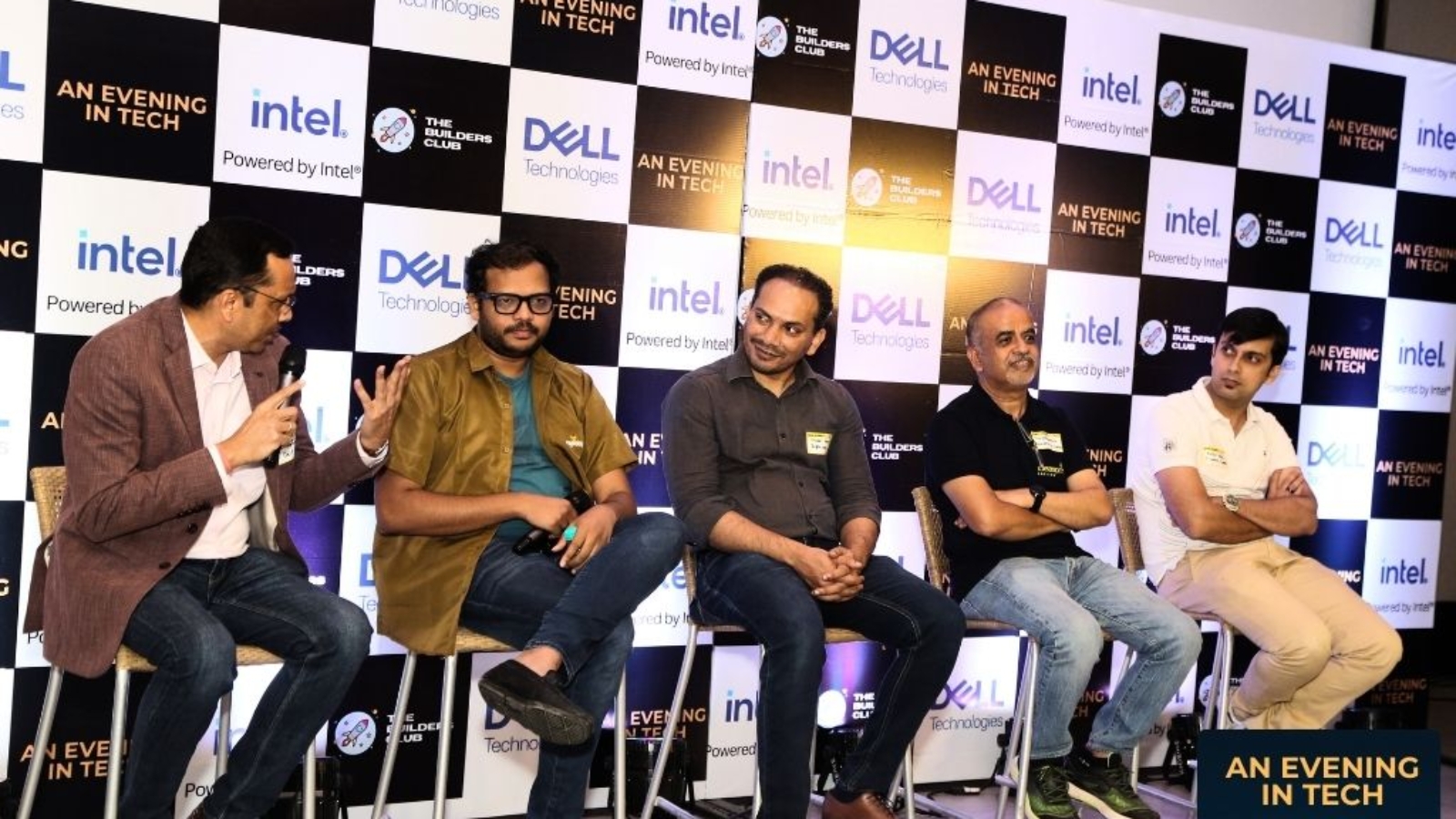
The On-prem vs Off Prem debate has always been a heated one in the tech circle – this make vx buy decision is usually the most critical one which impacts the bottom line as well.
In an evening in Tech, we took perspectives from all the speakers on what they think about it.
Sure, here is a more detailed elaboration on the points discussed in the video:
Each Industry behaves differently:
Pharmaceutical companies: Initially hesitant to move to the cloud due to concerns about intellectual property and data security, they are now increasingly adopting cloud solutions, particularly with the rise of secure cloud providers like Azure.
Semiconductor companies: Still largely on-premise due to the sensitive nature of their intellectual property and the massive size of their data.
Startups: Often prefer cloud solutions due to their pay-as-you-go model, which allows them to scale up or down as needed.
Compliance:
Highly regulated industries: Such as healthcare and finance, may have strict compliance requirements that necessitate on-premise deployments to ensure data sovereignty and security.
GDPR compliance: Organizations that handle personal data of European citizens must comply with GDPR regulations, which may influence their decision to choose on-premise or cloud solutions.
Cost Predictability:
On-premise deployments: Offer greater cost predictability as organizations have more control over their infrastructure and can better forecast their expenses.
Cloud deployments: Can lead to unexpected costs if not managed carefully, particularly as usage scales.
Business Model:
Startups: Often benefit from the flexibility and scalability of cloud solutions, which align with their agile and rapidly evolving business models.
Established enterprises: May prefer on-premise deployments for mission-critical applications that require high levels of control and security.
Hybrid Cloud Solutions:
The speaker emphasizes the growing importance of hybrid cloud solutions, which combine the benefits of both on-premise and cloud deployments.
Hybrid cloud solutions can help organizations optimize costs, improve performance, and enhance flexibility.
Cost Optimization:
The speaker highlights the increasing focus on cost optimization in cloud computing.
Organizations are increasingly looking for ways to reduce their cloud costs, such as right-sizing their instances, utilizing reserved instances, and optimizing their cloud usage.
Data Security:
Data security is a critical consideration for both on-premise and cloud deployments.
The speaker emphasizes the importance of implementing robust security measures, such as encryption, access controls, and intrusion detection systems, to protect sensitive data.
Scalability:
Cloud computing offers greater scalability than on-premise deployments, allowing organizations to quickly scale up or down their resources as needed.
However, the speaker also notes that on-premise deployments can be scaled, albeit with more planning and effort.
Repatriation:
The speaker mentions the growing trend of repatriation, where organizations are moving workloads back from the cloud to on-premise environments.
This trend is driven by factors such as cost concerns, data security concerns, and the desire for greater control.
Edge Computing:
The speaker briefly mentions the rise of edge computing, where data is processed closer to the source, such as at the edge of the network.
Edge computing can help organizations reduce latency, improve performance, and enhance data security.
Overall, the panel discussion provides a comprehensive overview of the trade-offs between on-premise and cloud computing. The speaker emphasizes that the best choice depends on a variety of factors and that a hybrid approach may be the most effective solution for many organizations.
“Even if you do not have the infrastructure yet, the architecture should be there” – this was our key takeaway from the open roundtable discussion we had with the amazing panel at An evening in Tech.
we dived deep into the world of tech infrastructure scalability with an incredible panel of experts.
From the opportunities and challenges of building scalable systems to how founders should strategically think about system architecture, it was a session full of insights and actionable takeaways.
Key Points:
Challenges of Scaling Technology in Startups:
Underestimating Costs: Founders often underestimate the increasing costs of technology as a startup scales. This can be due to a number of factors, including the need for more powerful hardware, software licenses, and skilled personnel.
Scalability and Architecture: Planning for scalability and building the necessary architecture from the beginning is crucial, but often overlooked. This can lead to significant challenges down the road, such as having to rebuild systems or migrate to new platforms.
Seasonal Demand: Dealing with sudden increases in demand can be a challenge for startups that are not prepared. This can require investing in additional infrastructure, which can be costly.
Opportunities with AI:
Step Up Lambda: AI can enable scalable systems that adjust resources based on usage and demand. This can help to reduce costs and improve efficiency.
Increased Productivity: AI can enhance productivity by automating tasks and improving efficiency. This can free up employees to focus on more strategic work.
Architecture Generation: AI tools can help generate scalable architectures, even for those without deep technical expertise. This can make it easier for startups to scale their operations.
Controlling Costs and Avoiding Technology Debt:
ROI Focus: Prioritizing return on investment for infrastructure spending is essential. This means that startups should only invest in technology that will help them to achieve their business goals.
Responsible Scaling: Scaling efficiently and avoiding unnecessary costs is crucial for long-term success. This means that startups should avoid overinvesting in technology and should only scale as needed.
Technology Debt: Building a cohesive and scalable technology foundation is vital to avoid future issues. This means that startups should invest in the right technology from the beginning and should avoid making decisions that will create technical debt.
Interoperability and Efficiency:
Silos and Inefficiencies: Different departments often use incompatible systems, leading to inefficiencies and increased costs. This can be a problem for startups that are growing quickly and have a complex technology stack.
Cohesive Movement of Data: Ensuring smooth data flow between systems is crucial for reducing risks and improving overall efficiency. This can be achieved by using a data management platform or by implementing an integration strategy.
Productivity and Efficiency: Focusing on both employee productivity and process efficiency is essential for successful scaling. This means that startups should invest in training and development for their employees and should implement processes that are designed to improve efficiency.
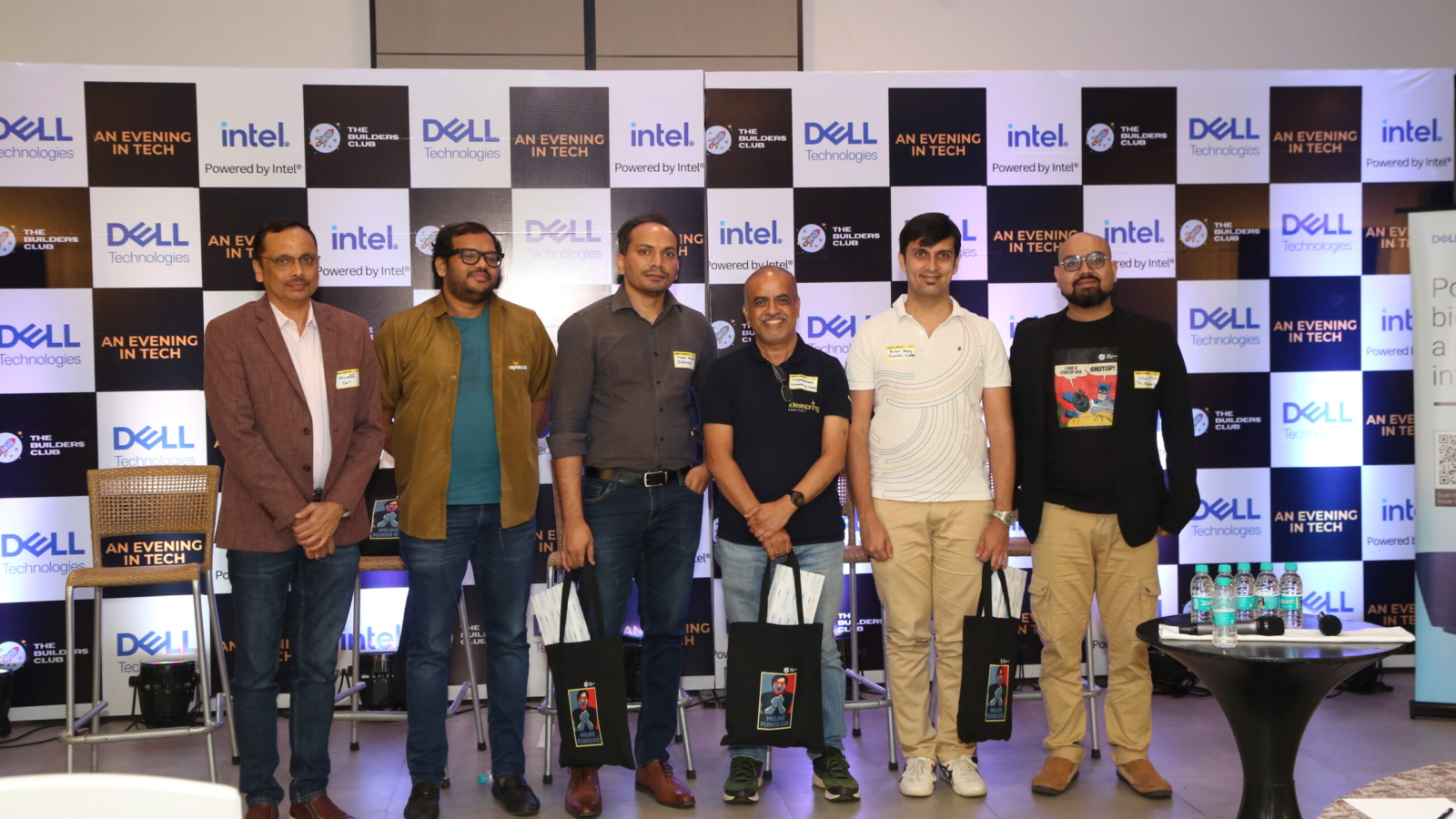
Thanks a lot to our speakers who gave their perspectives on the discussion:
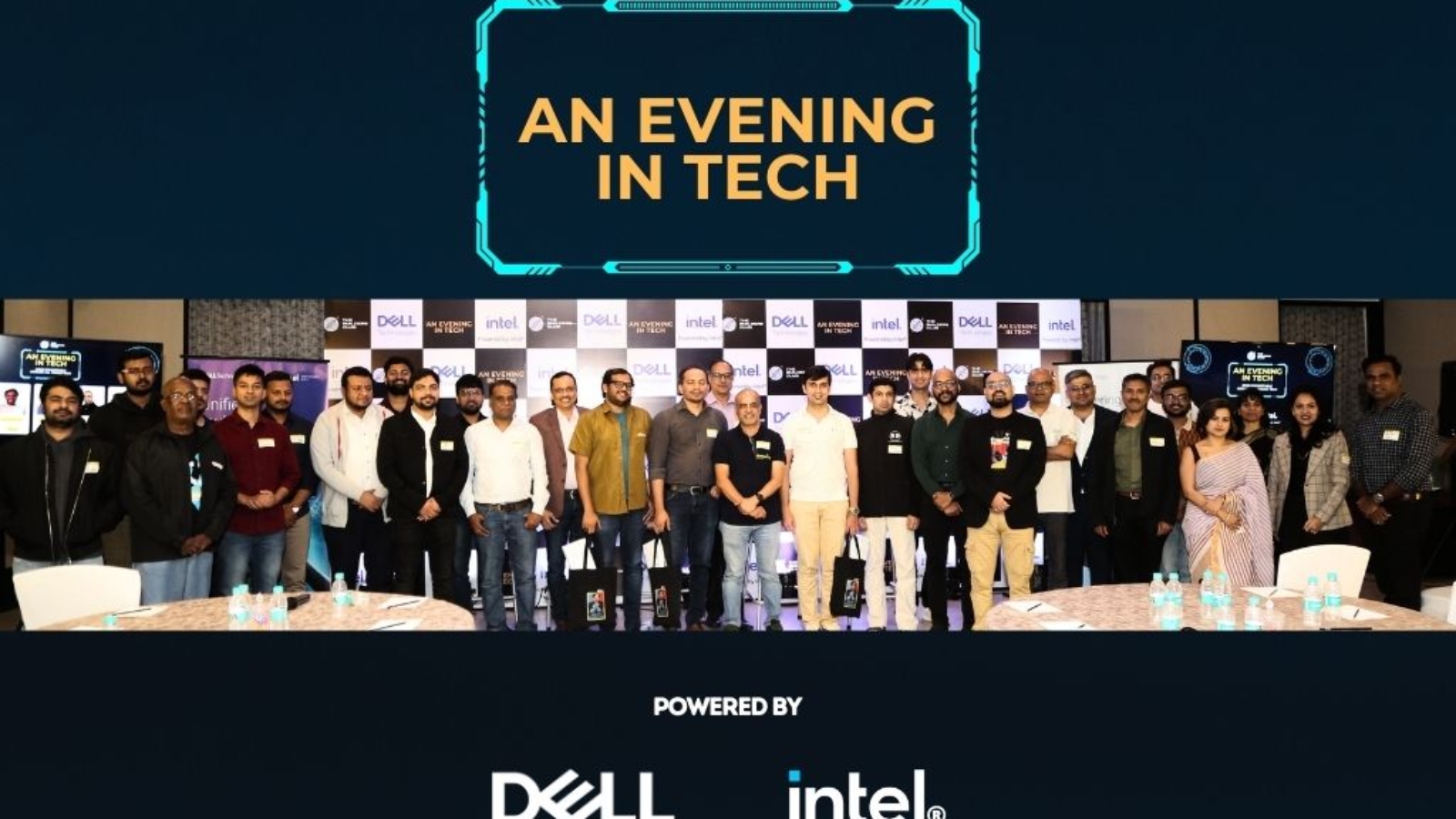
This wasn’t just an event—it was a vibrant convergence of visionaries, innovators, and trailblazers.
🌟 30+ Founders
🎙️ 5 Trailblazing Speakers
💡 Tech’s Future Unpacked
From exploring infrastructure scalability to dissecting the debate of on-prem vs. off-prem servers, the evening was brimming with cutting-edge ideas and thought-provoking discussions.
What made this event truly unique?
➡️ An open roundtable format, fostering interactive dialogues where every attendee could contribute, learn, and network.
Sourabh Mishra – Director, Global Alliances, Dell Technologies
A heartfelt thanks to our speakers for sharing their invaluable insights and to our partners, Dell Technologies and Intel Corporation, for empowering this incredible evening.
At The Builders Club, events like these remind us why we’re here—to connect, inspire, and build the future together. 🌟
Here’s to many more nights of innovation, collaboration, and leadership. 💪
A special curated evening for Tech Founders, Investors, CTOs and CIOs to close the year!
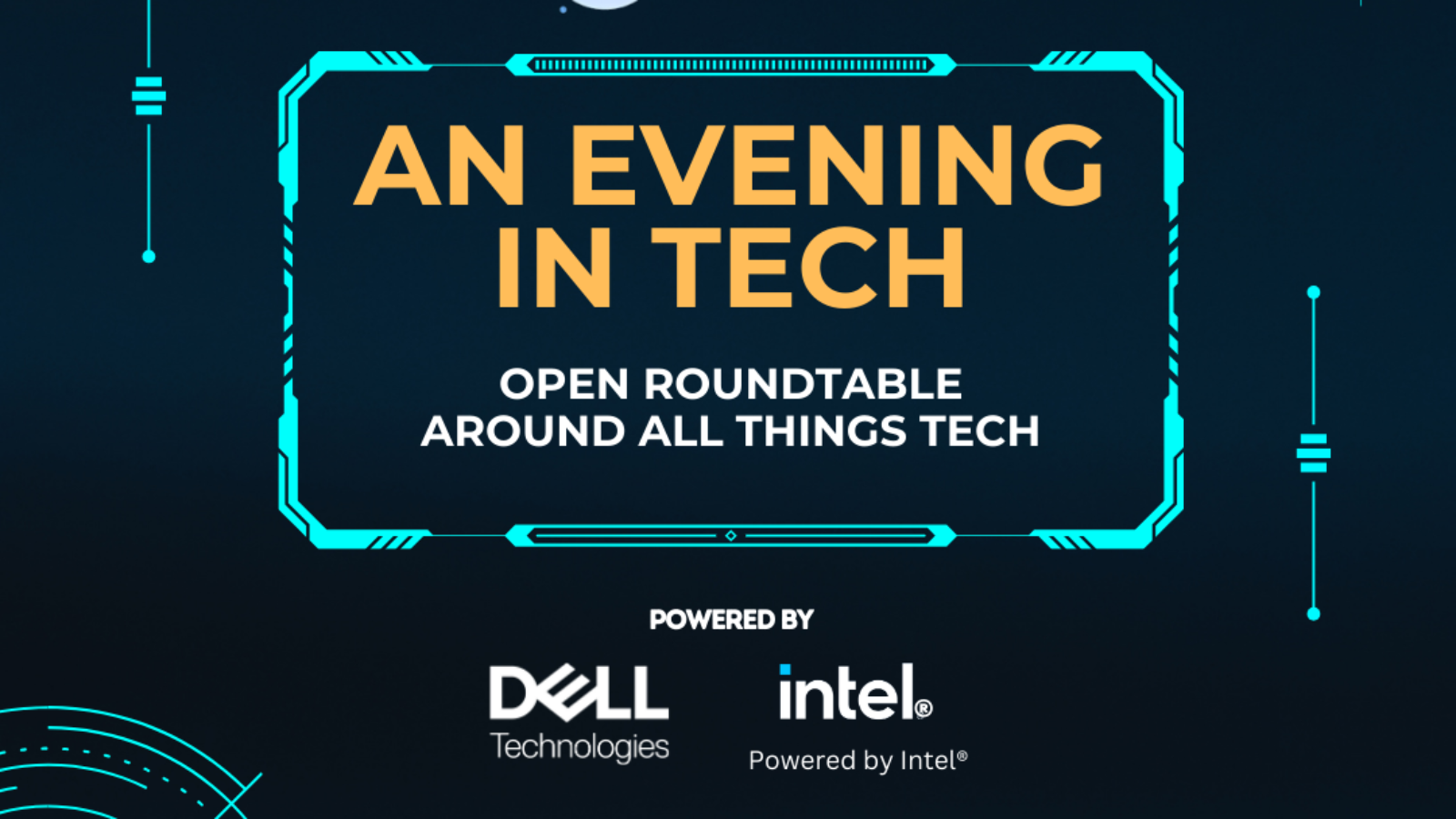
The Builders Club presents ‘An Evening in Tech’ powered by Dell Technologies and Intel.
A specially curated open roundtable for discussing all things Tech!
In this event, a curated set of 20 founders, investors and CXOs discuss the year gone by, and the upcoming year – from AI 🤖 to data security, network infrastructure, and Network Computing.
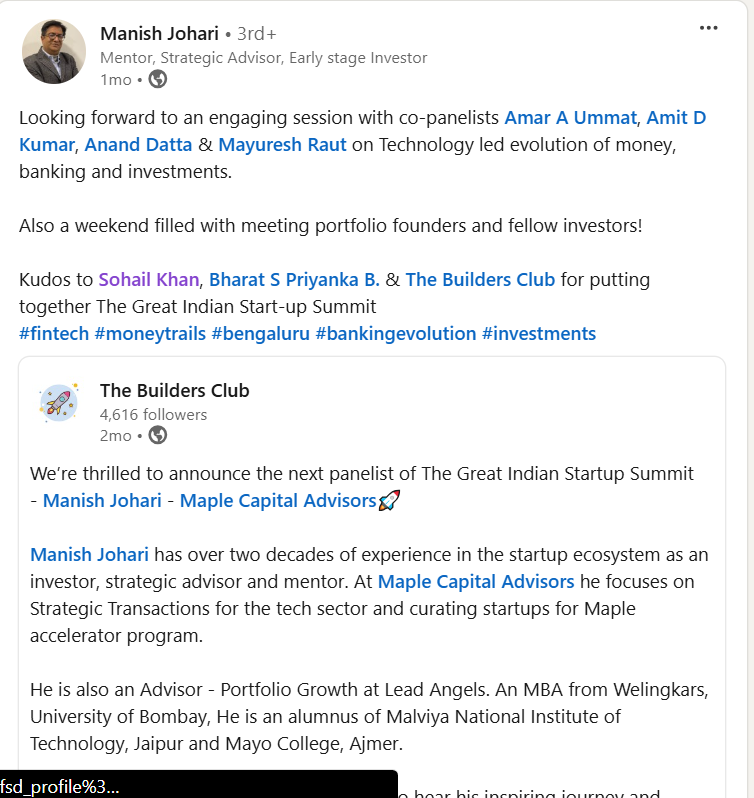
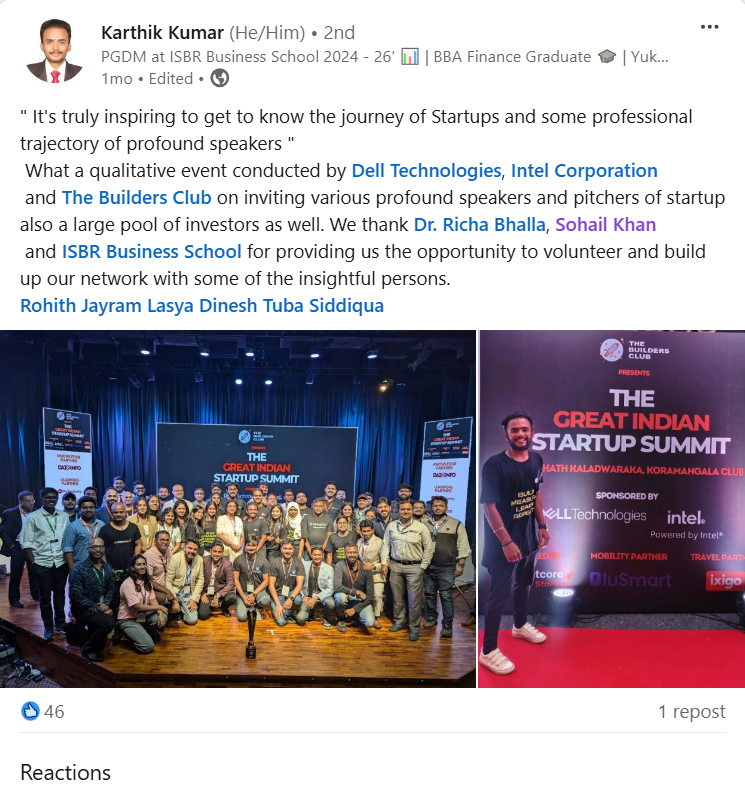
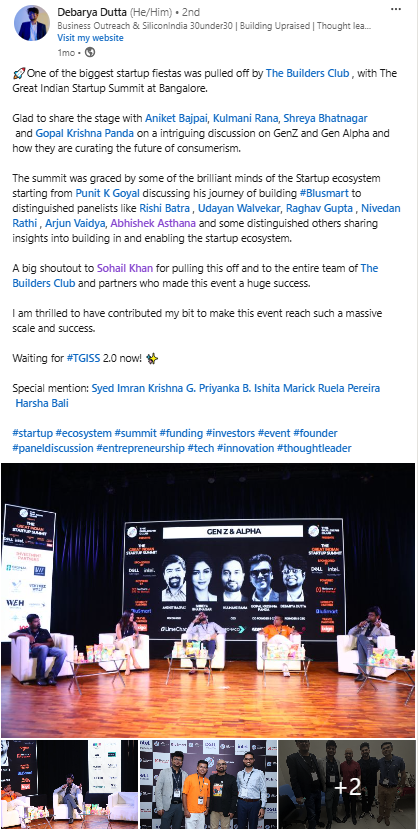
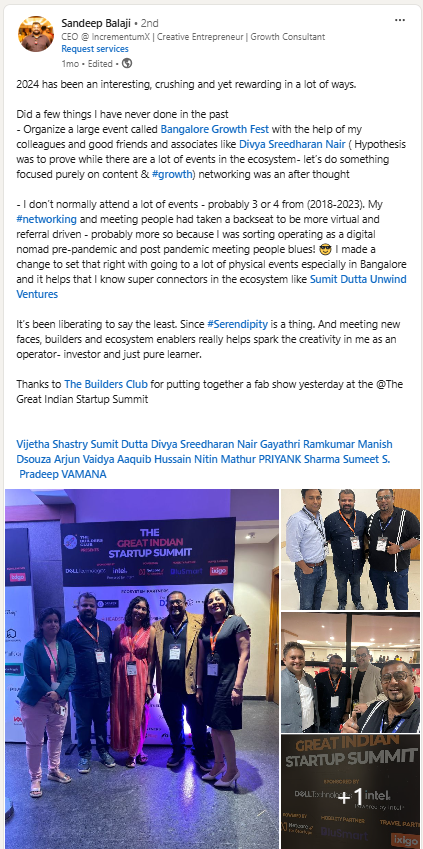
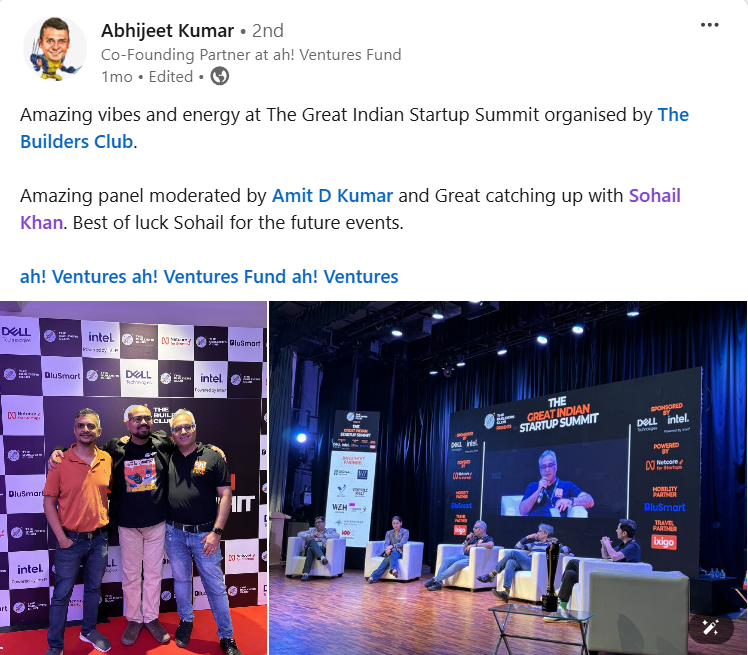
The Great Indian Startup Summit, 13th September 2024 | 500+ Founders · 100+ Investors · 50+ CXOs
India’s Startup Ecosystem Got a Room — And Then Got Honest
By The Builders Club | September 2024 | 8 min read
There are events, and then there are conversations. Most events are polished panels with rehearsed answers and decks that nobody will read again. Occasionally, you get a room where the questions are real, the speakers haven’t been briefed on what to say, and the person sitting next to you turns out to be exactly who you needed to meet.
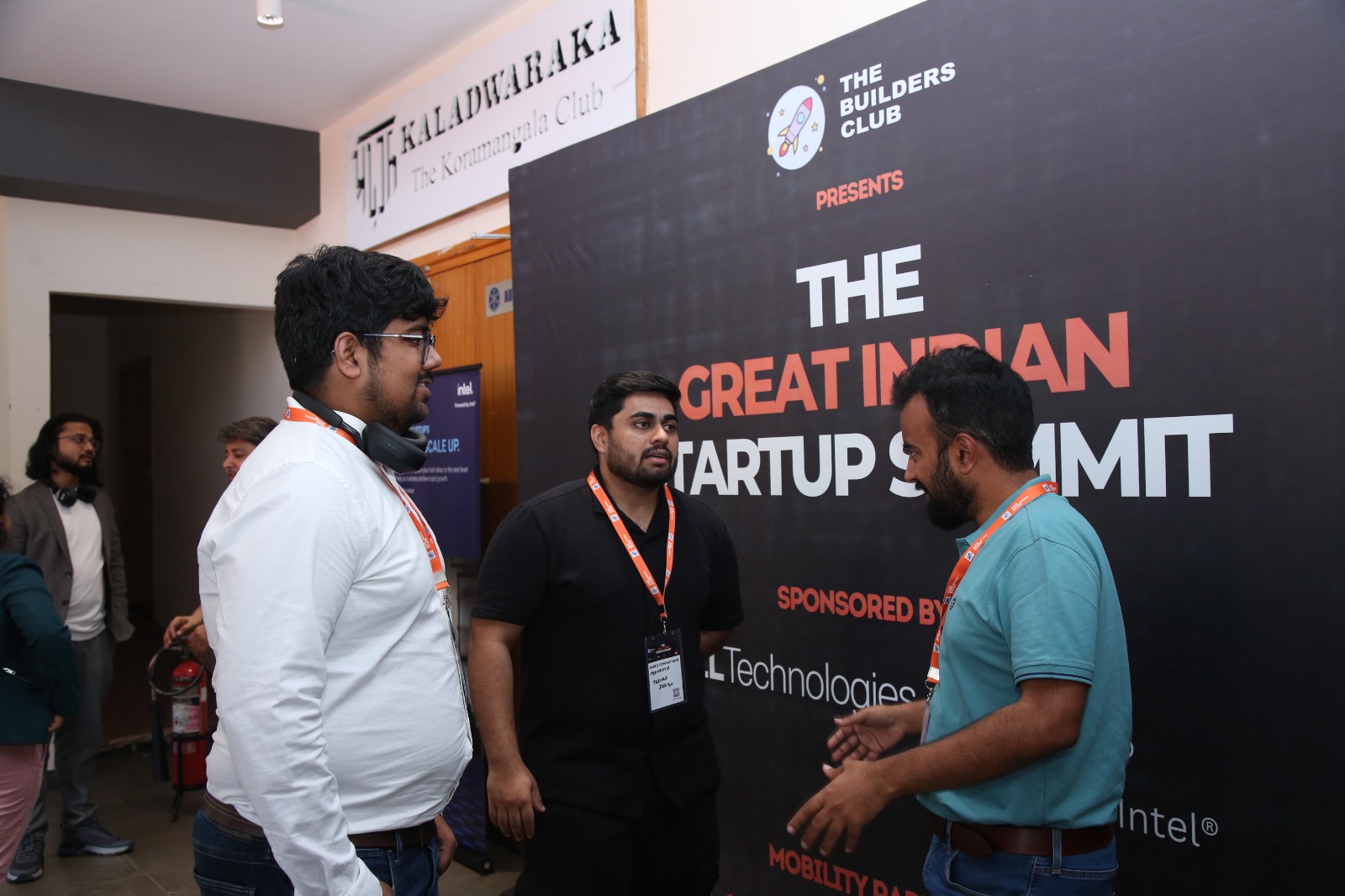
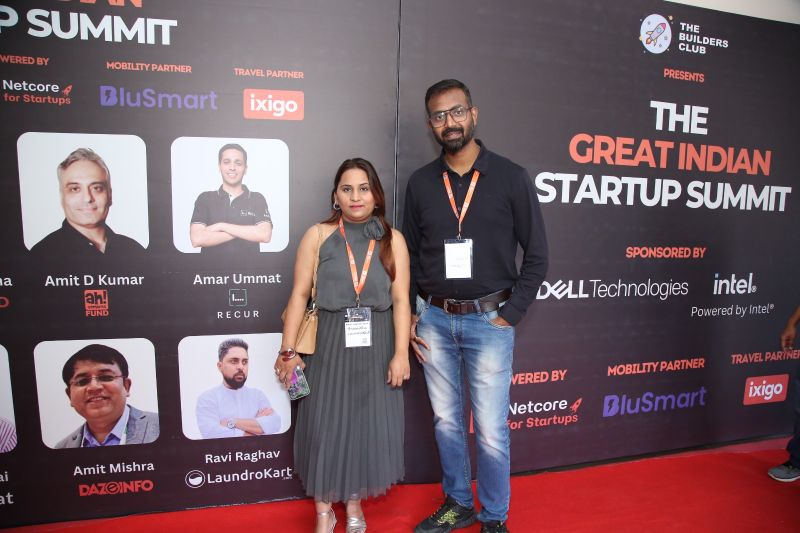
The Great Indian Startup Summit, held on 13th September 2024, tried hard to be the second kind. By most measures — and certainly by the people who were in the room — it succeeded.
Over the course of a single day at one of Bengaluru’s most energetic venues, The Builders Club brought together over 500 founders, 100+ investors, and 50+ CXOs — without spending a single rupee on paid marketing. Not a Google Ad. Not a sponsored LinkedIn post. The entire event was filled through the trust and reach of community partnerships — a fact that quietly made its own statement about how relationships still outperform retargeting in a world drowning in content.
What followed was a day of conversations that India’s startup ecosystem needed to have — about content, community, D2C, AI, EV mobility, and the stubborn, unglamorous business of building something offline in a country obsessed with apps.
The Creator Economy Has a Shelf Life Problem — And Brands Are Paying the Price
Abhishek Asthana — the brain behind Gabbbar Singh — on the Content Panel
The first hard conversation of the day came from an unexpected place: a man who built one of India’s most recognisable internet personas and then had to reckon with what it meant to sustain it.
Abhishek Asthana, the creator behind Gabbbar Singh — a social media account that became a cultural reference point for an entire generation of Indian internet users — didn’t come to the stage to celebrate viral success. He came to interrogate it.
His central argument: influencers have a shelf life, and most brands that partner with them don’t account for it. The internet’s attention economy rewards novelty. The moment a creator’s content becomes predictable — even if that predictability is high-quality and consistent — the algorithm and the audience begin to drift. What looked like brand equity was often just borrowed attention, and brands writing six-figure cheques for influencer campaigns rarely asked what happened in 18 months when the creator’s reach had peaked and started its slow decline.
Asthana’s broader point, which landed harder in the room, was about what brands should actually be building instead: their own content identity. The brands that would outlast influencer cycles were the ones creating content that stood on its own — not just amplifying someone else’s audience, but building one. He dissected how brands should think about social media not as a distribution channel but as a relationship infrastructure, where the investment is in producing content that earns repeated engagement from the same person, rather than a single spike of borrowed visibility.
For founders who had been throwing money at influencer collaborations and seeing diminishing returns, this was both a diagnosis and a direction.
Content Isn’t a Marketing Function — It’s the Product of a Great Community
Udayan Walvekar from GrowthX on why content is the soul of community
If Asthana addressed brands, Udayan Walvekar from GrowthX addressed community builders — and his thesis was equally uncomfortable for the room.
GrowthX has built one of India’s most respected communities for growth professionals, and Walvekar has observed first-hand what separates communities that compound in value from ones that plateau after their initial enthusiasm. His answer, stated with the confidence of someone who has tested it: content.
Not content as newsletters sent to a subscriber list. Not content as a LinkedIn post announcing the next event. Content as the living memory of a community — the documentation of every insight shared, every debate had, every pattern observed by the people inside. When a community consistently surfaces and articulates the thinking of its best members, it creates something far more valuable than access: it creates a body of knowledge that makes membership feel necessary.
Communities that don’t invest in content production, Walvekar argued, inevitably become WhatsApp groups — where conversations happen and then disappear. Every insight is lost the moment it scrolls out of view. The communities worth belonging to are the ones that treat their members’ knowledge as an asset worth capturing.
For the founders in the room building community-led businesses, this reframed the content question entirely. Content isn’t something you do for marketing. It’s the proof that your community produces value — and the mechanism through which that value compounds over time.
Don’t Charge Too Early — How Premature Monetization Kills the Communities With the Most Potential
Samit Khanna, Signal Ventures — on the trap of early monetization
Following naturally from Walvekar’s framework was a panel that addressed the question every community founder eventually faces: when do you start charging?
Samit Khanna from Signal Ventures — who has seen hundreds of community-led startups from the investor side of the table — offered a counterintuitive position: the communities most likely to destroy themselves are the ones that find revenue early.
The logic is straightforward once you hear it. In the early stages of a community, the social contract between members is built on value exchange — not financial transaction. People show up, contribute, refer others, and evangelise because they believe they’re part of something worth believing in. The moment a paywall enters that relationship, the nature of the contract changes. Members begin to evaluate: is this worth the money? The emotional investment shifts to a rational calculus. And communities, Khanna argued, cannot survive rational calculus in their early stages.
The communities that win — the ones that eventually command premium membership fees and strong retention — spend their first phase obsessively focused on the quality of connections and the usefulness of conversations. Monetisation is a consequence of trust, not a driver of it. Founders who reverse the order, who see early member growth and reach for the revenue lever too quickly, often find that the very people who made the community worth monetising are the first ones to leave.
D2C Grew Up — And the Brands That Don’t Realise It Are About to Get Left Behind
Arjun Vaidya on the evolution of India’s D2C ecosystem
The D2C panel brought together two sharp perspectives on where India’s consumer brand ecosystem actually stands — and where it is going.
Arjun Vaidya — who has lived D2C as a founder with Dr. Vaidya’s and now views it as an investor — was direct about what the first wave of Indian D2C got wrong. The early playbook was essentially a performance marketing arbitrage: find a product with reasonable margins, pour money into Facebook and Google ads, grow GMV, raise at a multiple of revenue, and repeat. It worked, until it didn’t.
CAC crept up as every brand discovered the same audience on the same platforms. Retention remained weak because few brands had built any reason beyond convenience for a customer to come back. Gross margins that looked healthy on paper collapsed under the weight of logistics, returns, and platform fees that the original pitch decks hadn’t modelled.
The next generation of D2C, Vaidya argued, looks very different. The winners are brands with genuine product differentiation — not marketing differentiation. Brands that have invested in the depth of their customer relationship rather than the width of their funnel. Brands that can hold a conversation with a customer offline, not just online. The playbook has matured, and so has the bar.
Rishi Batra from TWID added a dimension that D2C brands consistently undervalue: loyalty. In a world where acquisition costs make second-time buyers significantly more valuable than first-time ones, the infrastructure of how you reward and retain a customer matters enormously. TWID has built a platform that allows brands to let customers spend their reward points from banks and loyalty programs on purchases — effectively turning dormant points into real consumer demand. Batra’s point was that loyalty infrastructure isn’t a nice-to-have for a D2C brand at scale; it’s a structural advantage that compounds.
Rishi Batra, TWID — on building loyalty infrastructure that actually works
The Offline Opportunity Nobody Is Talking About
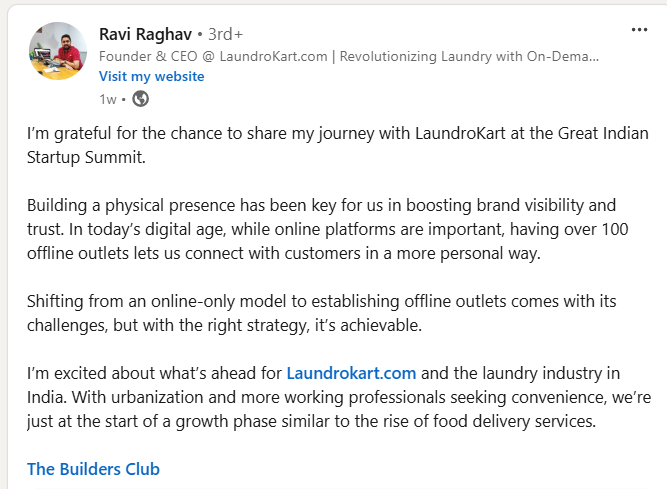
Ravi Raghav, Laundrokart — building a scalable offline business in India
One of the more grounding conversations of the day came from Ravi Raghav, founder of Laundrokart, who is building a franchise-based laundry business in a market that most venture-funded founders wouldn’t touch.
India’s laundry market is valued at approximately $4.7 billion — a number large enough to command attention, and yet almost entirely unorganised. Most of the country’s laundry still happens through the local dhobi or an unreliable neighbourhood service. The consumer experience is inconsistent, the pricing is opaque, and the quality varies wildly. Raghav saw all of this as a systems problem — not a market problem.
His argument on stage was a useful corrective for a room that tends to default to digital-first thinking. The hardest and most defensible businesses in India are often the ones that require the most operational discipline at the local level. Building a scalable offline franchise model demands solving for unit economics, quality consistency, franchisee training, local operations management, and customer trust — all simultaneously. It doesn’t move as fast as a SaaS company. It doesn’t raise at the same multiples. But the moat it builds, once the operations are proven, is extraordinarily difficult to replicate.
For the investors in the room, Raghav’s session was a reminder that the most interesting Indian businesses may not always be the most algorithmically legible ones.
How Enterprises Actually Think About AI — and What That Means for Startups Trying to Sell to Them
Tejas Pandit, Dell Technologies — the enterprise view on AI adoption
The AI panel could easily have been a showcase of enthusiasm. It wasn’t. Tejas Pandit from Dell Technologies — representing the infrastructure and enterprise side of the AI conversation — brought a rigour to the discussion that the room needed.
Large enterprises, Pandit explained, approach AI adoption with a very different psychology than the startup ecosystem imagines. The question in a boardroom isn’t “isn’t this incredible?” The questions are: what is the total cost of ownership? How do we secure the data? Where does liability sit when the model gets it wrong? How does this integrate with systems that were built 15 years ago and are not going anywhere? Who owns the governance?
For startups trying to sell AI solutions into enterprise, this is essential intelligence. The founders who close enterprise AI deals are not the ones with the most technically impressive demos. They are the ones who have mapped the buying journey — who sits on the procurement committee, what compliance requirements need to be cleared, what the IT team’s objections will be, and how the business case gets presented to a CFO who is managing cost pressure at the same time as being told AI is mandatory.
Pandit’s session was one of the more practically useful of the day for anyone navigating B2B sales into large organisations — which, given the mix of founders in the room, was a significant portion of the audience.
Building BluSmart: The Long Game on EV Mobility
Punit Goyal, Co-Founder BluSmart — on the EV industry and the infrastructure bet
The day’s most watched conversation may have been the fireside chat with Punit Goyal, co-founder of BluSmart — India’s largest fully-electric ride-hailing platform.
BluSmart’s story is, at its core, a story about conviction over convenience. When Goyal and his co-founders decided to build a ride-hailing company that exclusively operated EVs, the ecosystem was not ready. Charging infrastructure was sparse. The range anxiety was real. Driver adoption required active evangelism. And the capital required to build a fleet before the unit economics were proven was significant.
What makes the BluSmart model interesting — and what Goyal unpacked on stage — is that they bet on the infrastructure layer, not just the product. Rather than aggregating third-party vehicle owners (as Ola and Uber do), BluSmart owns its fleet and its charging infrastructure. This creates a fundamentally different cost and quality curve. Every car is maintained to the same standard. Every charge is controlled. The customer experience is predictable in a way that aggregator models structurally cannot guarantee.
The broader thesis Goyal articulated is one that the room found worth sitting with: in categories where the infrastructure doesn’t yet exist, the company willing to build it — not just ride it — captures a structural advantage that is extremely difficult to compete against once it’s established. That’s not a thesis unique to EVs. It applies to cold chain logistics, rural fintech, offline healthcare, and a dozen other sectors where India’s infrastructure gap is also its opportunity.
BluSmart also served as the event’s official sponsor for speaker transportation on the day — a fitting detail that underlined the alignment between the company’s values and the community it chose to show up for.
The Great Indian Startup Pitch: 250 Applicants, 10 Finalists, One Winner
Vasanth Tamilselvan and Nisha Ramasamy from Ariro Toys — Champions of the Great Indian Startup Pitch 2024
Alongside the panels, the Summit hosted one of India’s most competitive early-stage pitch competitions of the year. Over 250 startups applied. Ten were selected — with the help of over 30 investment partners who reviewed applications and shortlisted founders they believed deserved the spotlight.
Each of the ten pitched on the main stage in front of over 100 investors. The atmosphere was closer to a real investor meeting than a performance event: pointed questions, follow-ups, and the kind of scrutiny that reveals exactly how well a founder knows their own business.
The ten finalists were Ariro Toys, FlexyPe, Find Your Kicks India, The Folding Company, Prodancy, WINhealth, AIOTEL, GoPllay, PRESET Building Systems, and Doodley — a diverse set of businesses spanning edtech, fintech, D2C, construction, and consumer platforms.
At the end of the day, the trophy went to Ariro Toys — the Bengaluru-based startup founded by Vasanth Tamilselvan and Nisha Ramasamy, which designs sustainable, culturally rooted wooden toys for children. Their win was more than symbolic: every startup that participated in the Pitch is being actively connected to the investment partners who evaluated them — turning the competition into a sustained relationship-building exercise rather than a one-day event.
The $0 Marketing Story — and Why It Matters More Than Any Panel
The ecosystem partners who made it possible — without a single rupee in paid marketing
Perhaps the most telling story of the day was one that happened before the event even began.
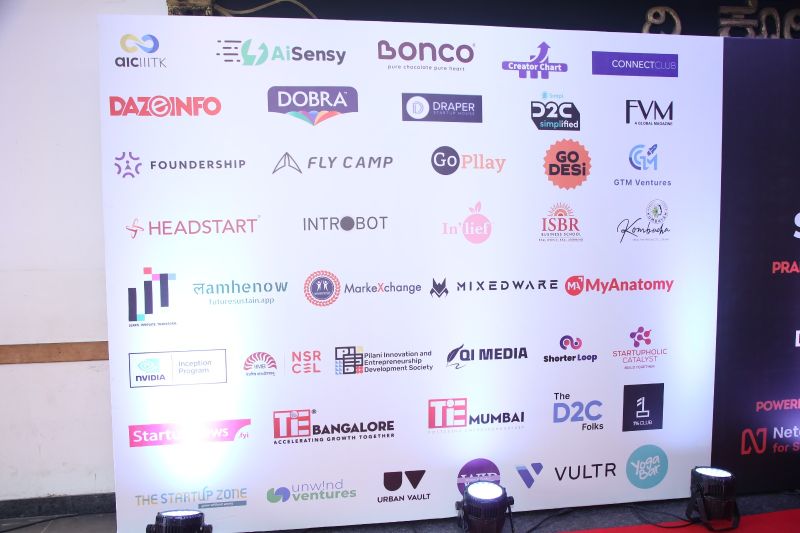
The Builders Club did not buy a single ad to fill 500+ seats. No paid influencer. No sponsored email blast. The event was seeded entirely through ecosystem partners — communities, accelerators, investor networks, and institutions who believed enough in the quality of what was being built to put their own reputation behind it and invite their members.
These included TiE Mumbai and TiE Bangalore, Headstart Network Foundation, NVIDIA, NSRCEL, The D2C Folks, GrowthX, Draper Startup House, BITS Pilani’s entrepreneurship society, ISBR Business School, Unwind Ventures, Introbot AI, Urban Vault, Women in Product India, and over a dozen others — each of whom brought their communities into a room that rewarded them with genuine conversations.
This is worth pausing on. In an industry that measures event success by headcount and measures marketing success by cost-per-registration, The Builders Club built something that ran entirely on trust and reciprocity. The result was not just a sold-out event. It was a room where almost everyone knew why they were there — and who else they wanted to meet.
That is significantly harder to manufacture than reach. And it is precisely what made the conversations worth having.
The Partners Who Made It Happen
Title Partners: Dell Technologies, Intel, Netcore for Startups, BluSmart, ixigo
The Summit’s title partners — Dell Technologies, Intel Corporation, Netcore for Startups, BluSmart, and ixigo — each brought something beyond a logo placement. Dell and Intel anchored the conversation on enterprise technology. Netcore brought its startup programme. BluSmart handled speaker logistics on the day, ensuring the experience of attending began before anyone walked through the door. ixigo — one of India’s most enduring travel tech stories — lent credibility to the ecosystem’s enterprise tier.
Exhibiting on the floor were Mixedware, Fly Camp, Vultr, and The Startup Zone — companies that put products in front of the most relevant possible audience without a single wasted impression.
What the Room Said Afterwards
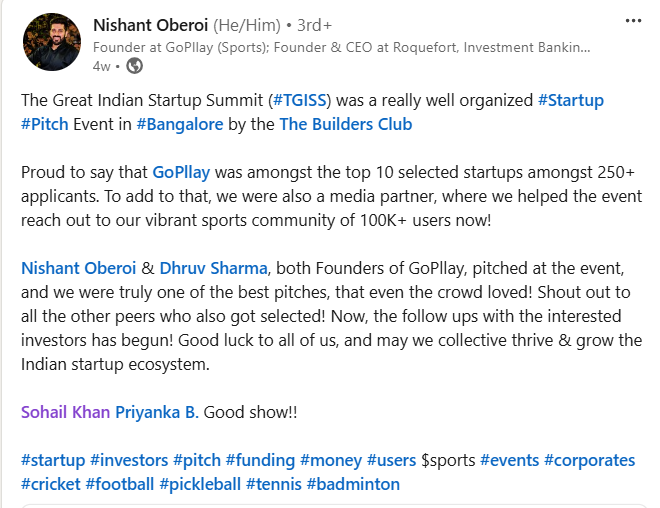
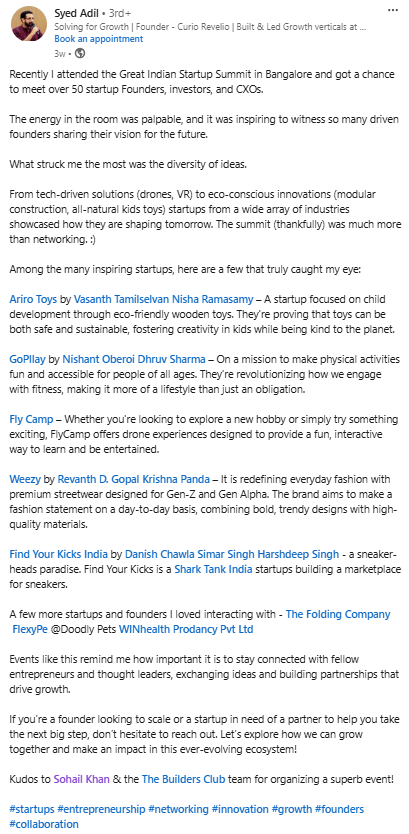
The real measure of an event is not the panels — it’s the energy that follows. In the days and weeks after the Summit, founders, investors, and attendees took to LinkedIn to share what the day meant for them. The posts ranged from tactical takeaways to something rarer: a sense of having been in a room that reminded them why they were building in the first place.
A selection of those voices is documented below.
Session Recordings — Watch the Panels in Full
All panel conversations have been documented on LinkedIn. Watch each session in full below.
Abhishek Asthana — How Brands Should Leverage Social Media
The Great Indian Startup Summit is an annual event by The Builders Club — a global community of founders and CXOs. To learn more about the community or attend the next event, visit thebuildersclub.me.
We just wrapped up our first boardroom meeting, and it was everything we hoped for and more.
Out of 300+ applications, we handpicked 9 exceptional founders from diverse industries, each with impressive milestones—$250K+ in revenue or similar funding rounds.
Together, they spent three focused hours in a structured session designed to help them zero in on their North Star metrics and tackle real challenges in a safe, collaborative space.
This wasn’t just another networking event.
For the first time, the founders who joined us shared that they got exactly what they were looking for: actionable guidance to scale their businesses and tangible outcomes from their time with us. 🙌
The energy in the room was unmatched, and the feedback we received blew us away:
> “Everyone left knowing exactly what to do next. The value we got was not just insightful but measurable.”
Entrepreneurship can be a lonely road, but these boardroom sessions are building a **band of brothers and sisters** who truly understand each other’s struggles and wins.
This is just the beginning—**monthly boardroom meetings** are now a cornerstone of The Builder’s Circle, and we can’t wait to see what’s next for this incredible group of founders. 💡✨
We are meeting for the first circle connect mixer this friday where the circle members get to meet the advisors and a few select industry leaders in person in a house party. More updates on that soon!
——————–
We are taking in registrations for the 2nd circle. If you are a bangalore based funded or revenue positive founder, you should register here: https://lnkd.in/gvEBXQ3w
——————–
Thanks to Priyanka Biradar and Ruela Pereira for holding the fort for this one in terms of organizing and helping everythign go smoothly!
Also, special thanks to our partners Kumbayah Kamboocha and In’lief without whom the event would not have been complete.