The Changing Landscape: How The Builders Club Is Redefining Tech Conversations
A three-part series on infrastructure, artificial intelligence, and the future of building — in partnership with Dell Technologies and Intel
There are events that fill a room, and then there are events that shift a conversation. Over the course of three distinct gatherings, The Builders Club set out to do the latter. Through its Building and Tech Series, the club brought together founders, CTOs, investors, and operators to wrestle with the questions that actually keep builders up at night: How do you build infrastructure that doesn’t break you? What does AI genuinely mean for your company’s stack? And what separates the organizations that will lead the next decade from those that will simply survive it?
This is the story of those three events, the people who shaped them, and the ideas that came out of them.
Event One — An Evening in Tech: On-Prem vs. Off-Prem
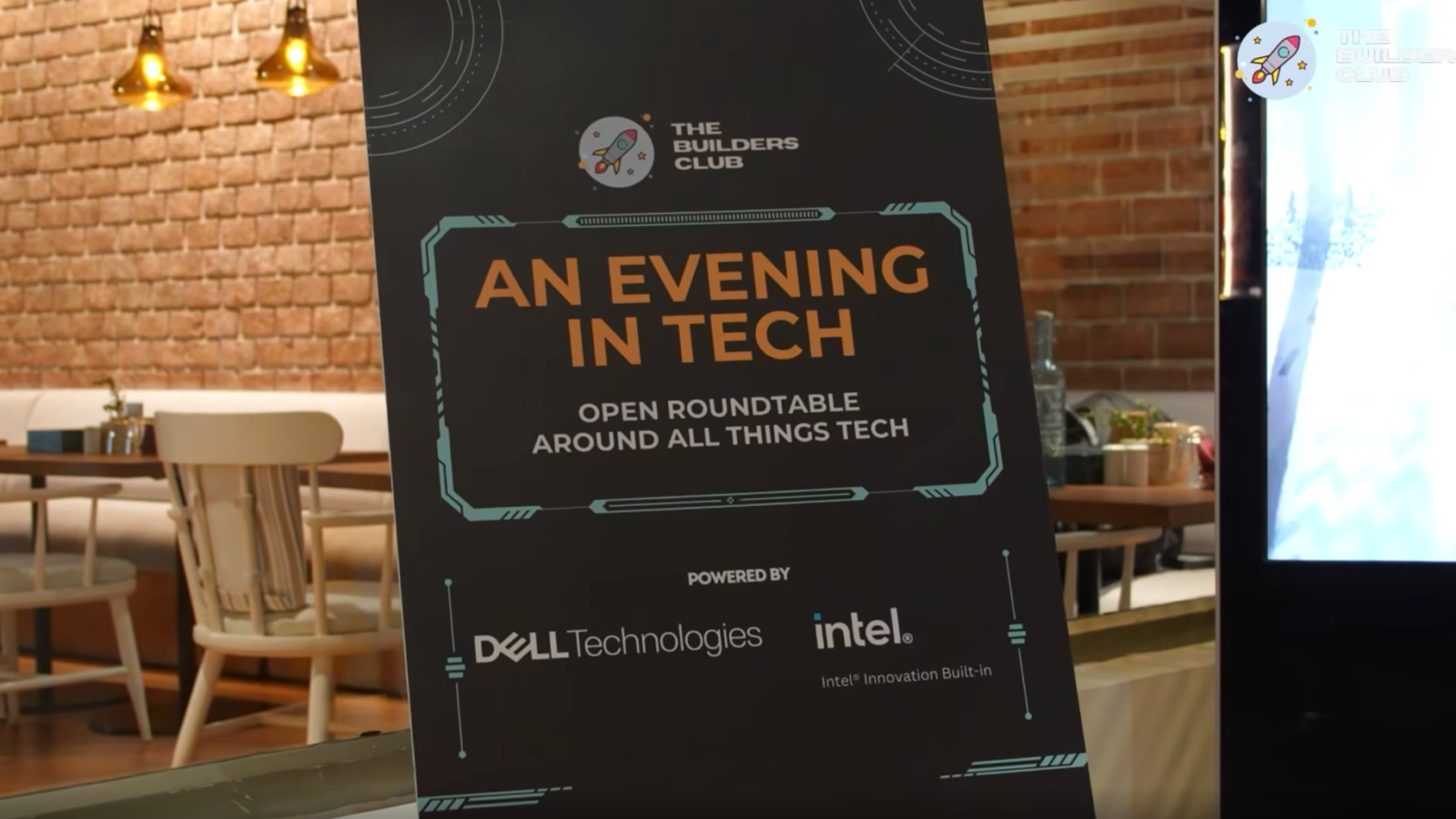
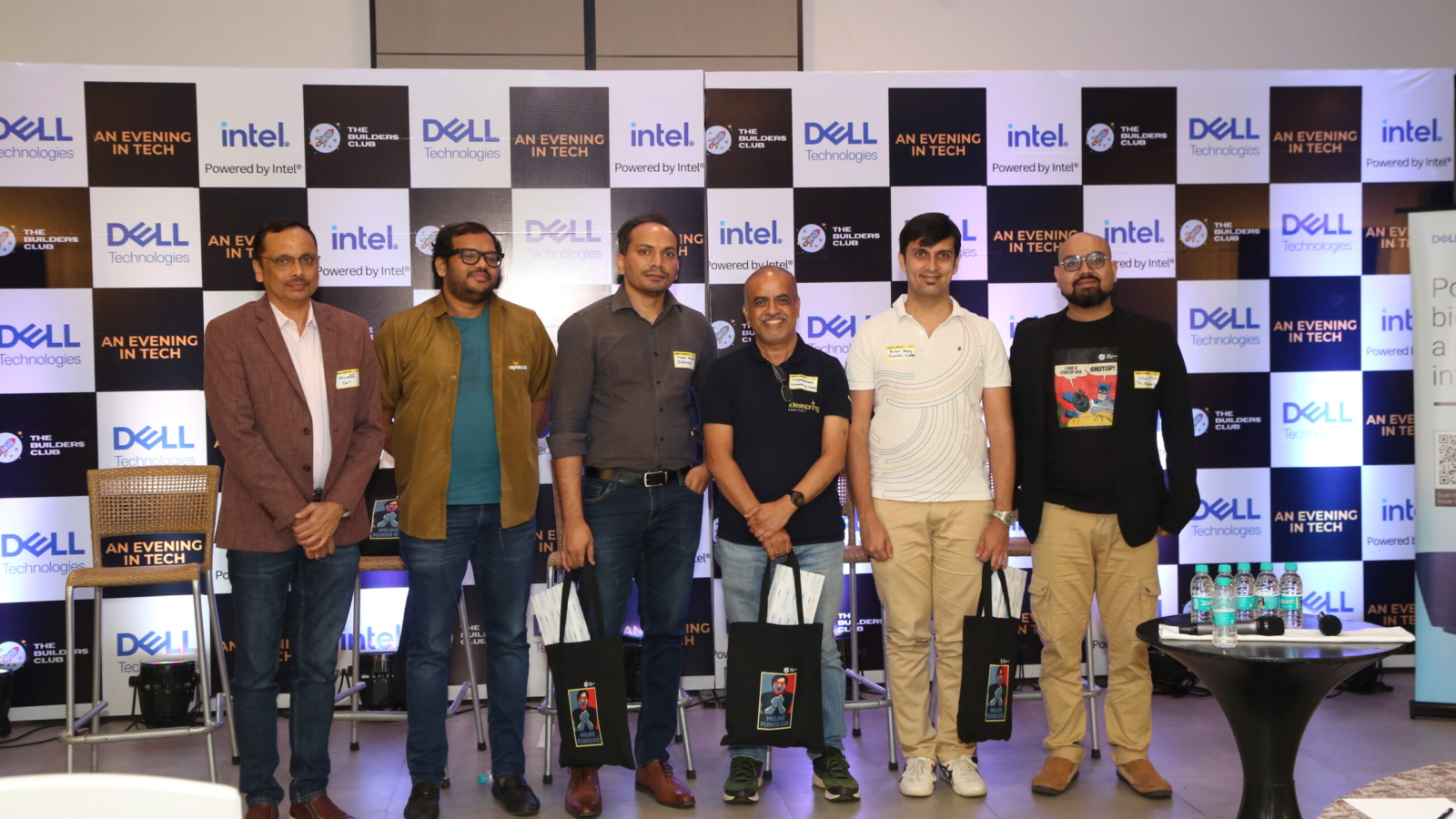
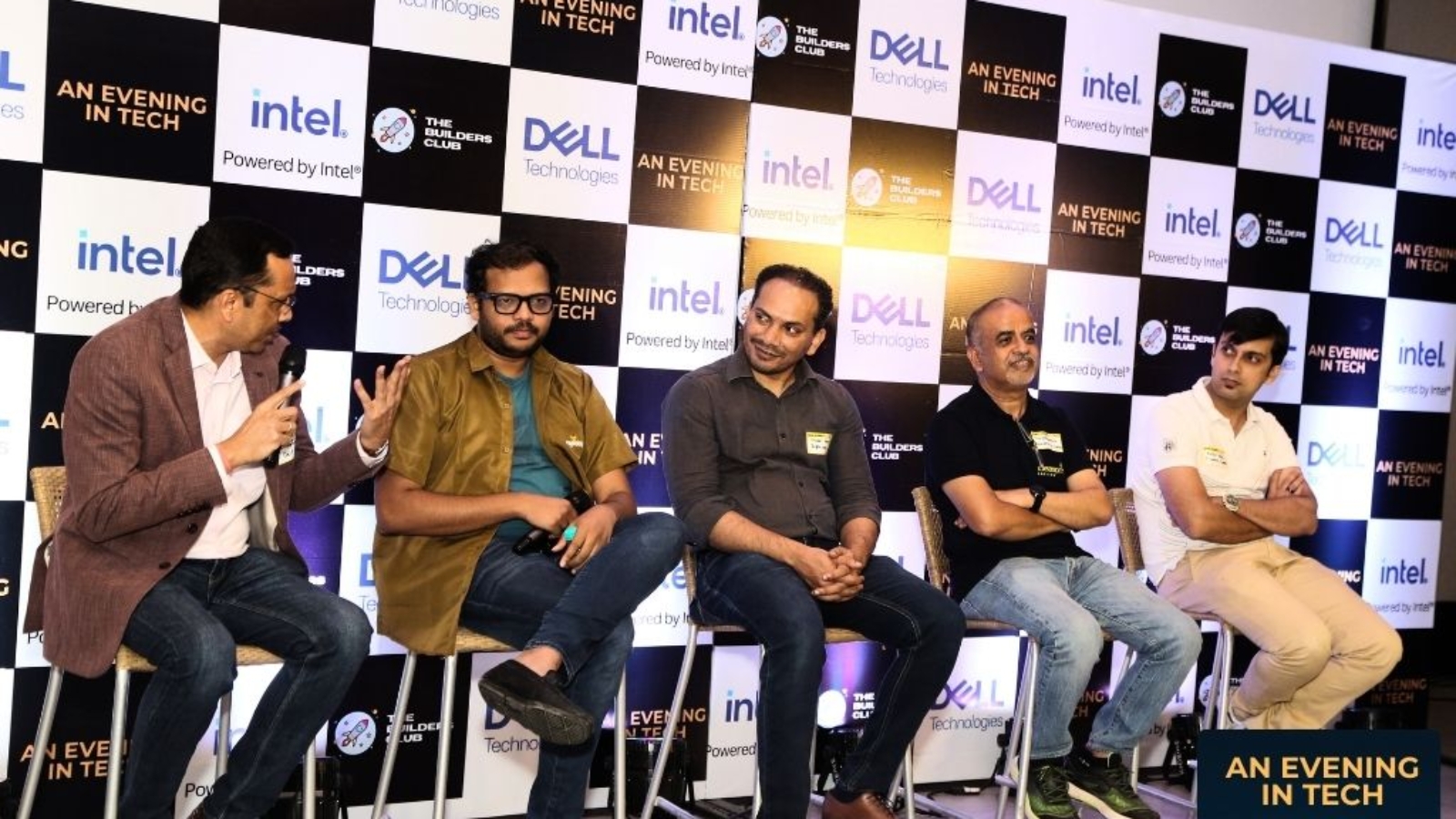
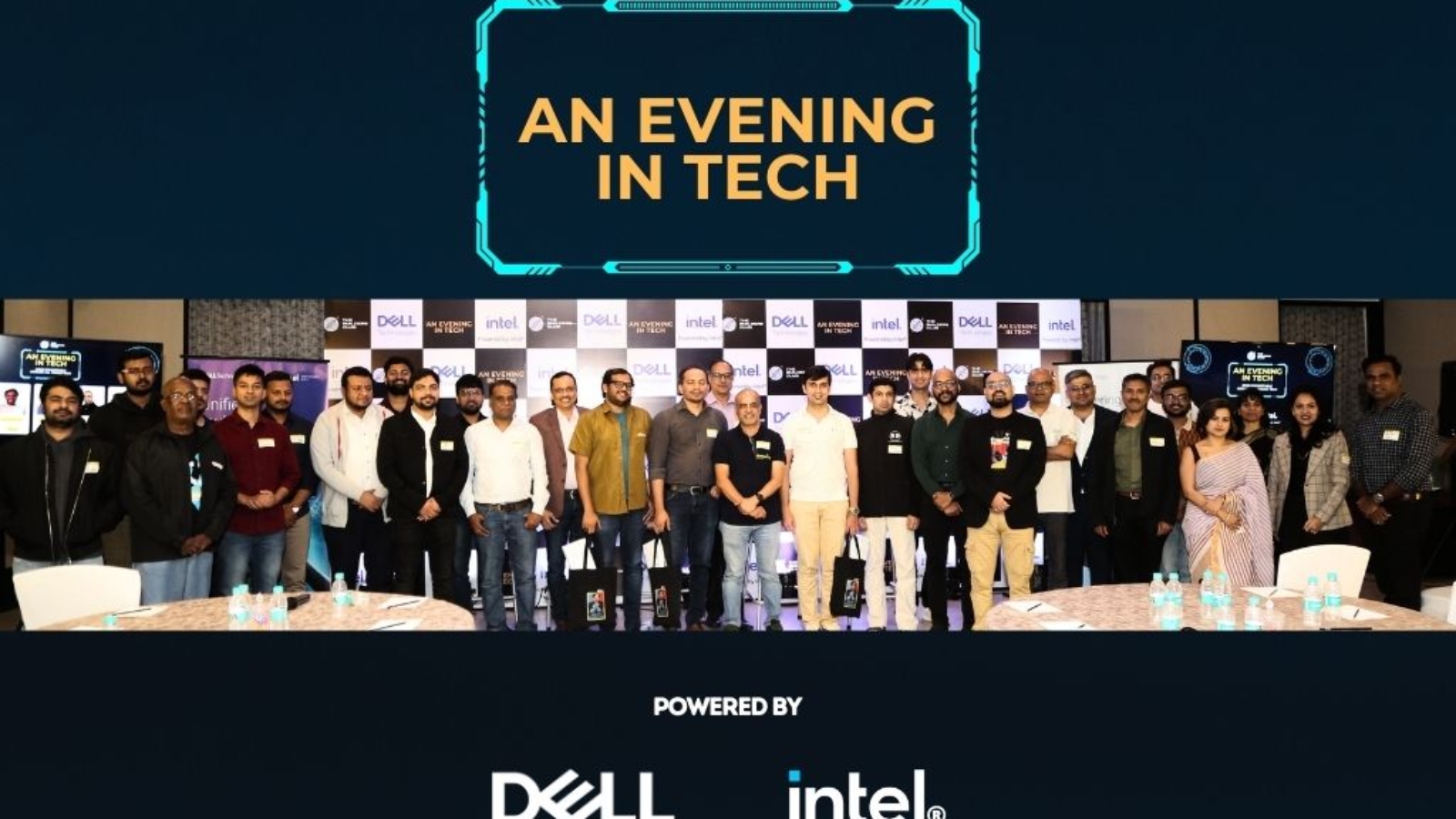
The first event in the series set the tone for everything that followed. Powered by Dell Technologies and Intel Corporation, An Evening in Tech drew over 30 founders and featured five trailblazing speakers. The format was deliberately open — a roundtable rather than a stage, where attendees were participants, not audiences.
The central debate was one of the most enduring in enterprise technology: On-premises versus Off-premises infrastructure. It’s a question that sounds straightforward until you actually have to live with the answer. Building your own infrastructure gives you control, security, and potentially lower long-term costs — but demands capital, expertise, and maintenance. Opting for cloud-based services offers agility and scale, but introduces dependencies and variable costs that can spiral as you grow.
The evening’s speakers brought lived experience to this debate from every angle — venture capital, operator, CTO, and partnership.
Murali Krishna Gunturu, Principal at Inflexor Ventures, offered the investor’s vantage point — how infrastructure decisions at an early stage can shape a startup’s trajectory and fundability. Rishikesh SR, Co-founder of Rapido, brought the operator’s lens: what it actually looks like to scale a consumer technology platform and make real-time infrastructure choices under pressure. Rohan Bajaj, an angel investor with investments including OpenAI, spoke to the broader trends shaping where money is flowing and what founders building for the future need to think about from day one.
On the enterprise and CTO side, Suryaprakash Konanuru, CTO at Ideaspring Capital, unpacked how technology leaders think about architecture — not just for today’s workloads, but for the unknowns of tomorrow. Sourabh Mishra, Director of Global Alliances at Dell Technologies, grounded the conversation in the practical: what solutions are available, what trade-offs are real, and how companies can make infrastructure decisions that age well.
One line from the discussion became a defining takeaway of the evening: “Even if you do not have the infrastructure yet, the architecture should be there.” It’s a simple principle with profound implications — that the thinking has to precede the building, and that scalability is a design decision before it’s an engineering one.
The roundtable format proved its worth. Rather than a succession of prepared remarks, the evening unfolded as a genuine exchange — founders pushing back, speakers recalibrating, and the audience finding themselves not just learning but contributing. It was exactly the kind of collision the series was built for.
Event Two — Evening in Tech: AI Edition
As the series continued, the conversation in tech had shifted — or more accurately, it had been consumed. Artificial intelligence was no longer a sidebar topic; it was the central axis around which every infrastructure and product decision was now turning. The Builders Club’s second event in the series responded directly to that reality.
Again in partnership with Dell and Intel, the Evening in Tech: AI Edition gathered 20 curated founders, CTOs, and tech leaders for what organizers described as “power-packed conversations on the future of AI.” This was a smaller, more intimate gathering by design — the kind of room where status disappears and real dialogue replaces polished presentations.
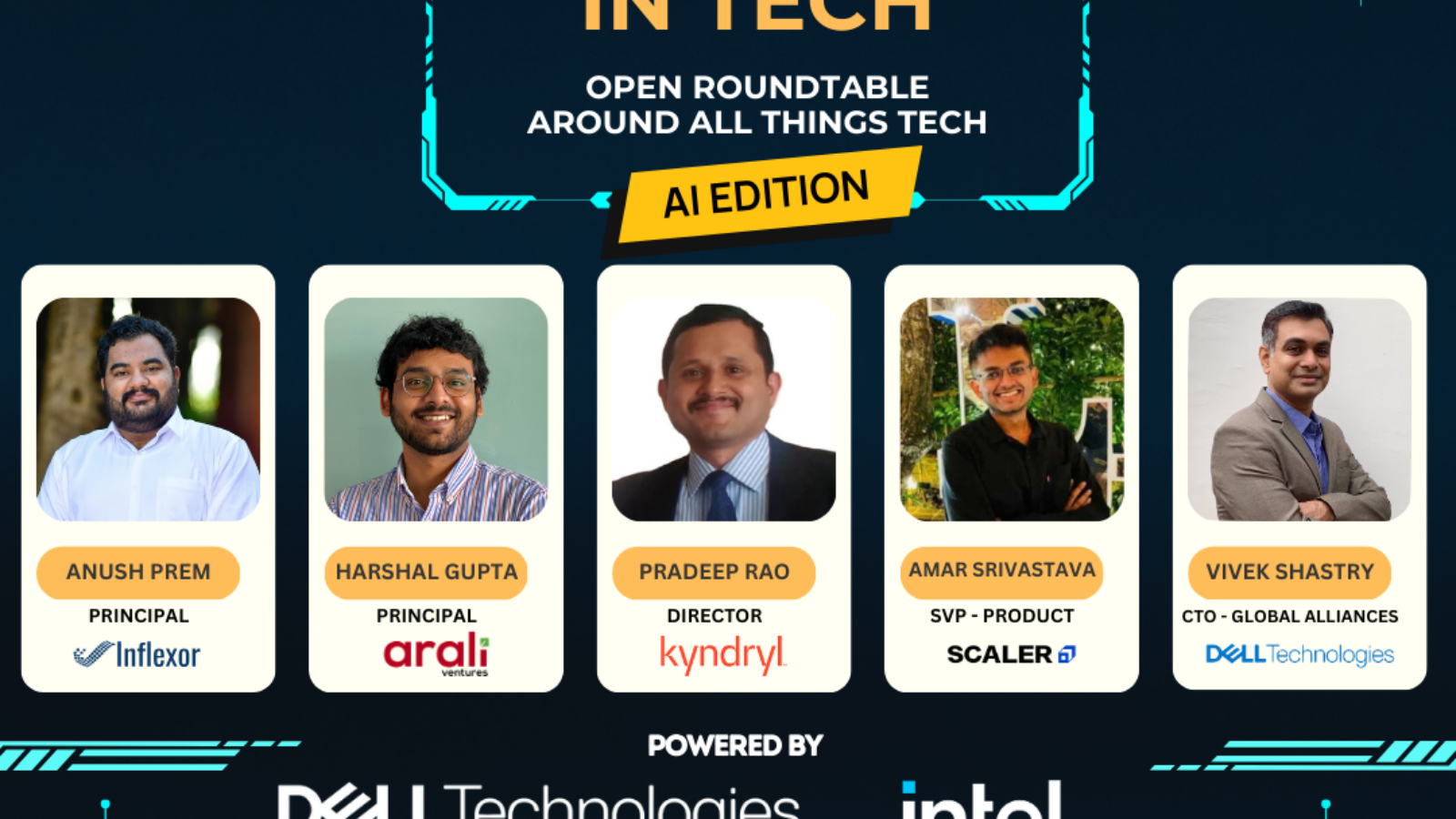
The speaker lineup reflected the full stack of the AI ecosystem. Anush Prem, Principal at Inflexor Ventures, brought the capital perspective — how investors are now evaluating AI-native companies differently, and what it means for founders to be building in this moment. Harshal Gupta, Principal at Arali Ventures, added another investor dimension, looking at where the real opportunities lie as the market separates genuine AI value creation from the noise.
From the operator and product world, Amar Srivastava, SVP of Product at Scaler, addressed the practical challenge that most AI builders eventually face: how do you actually ship AI-powered products at scale, and what infrastructure decisions make or break that journey? Pradeep Rao, Director at Kyndryl, brought an enterprise services perspective — a crucial reminder that most AI deployments don’t happen in greenfield environments but inside organizations with complex, legacy technology estates.
Anchoring the conversation on the infrastructure side was Vivek Shastry, CTO for Global Alliances at Dell Technologies, who walked the room through what purpose-built AI infrastructure actually looks like and why the old assumptions about compute, storage, and networking need to be fundamentally reconsidered for AI workloads.
The discussions ranged across the AI infrastructure landscape, the emerging opportunities in the space, and the specific decisions founders and technical leaders need to make as they build. What emerged wasn’t a consensus, exactly — it was a richer map of the terrain, drawn by people who are actively navigating it.
Event Three — Building in Tech Conference
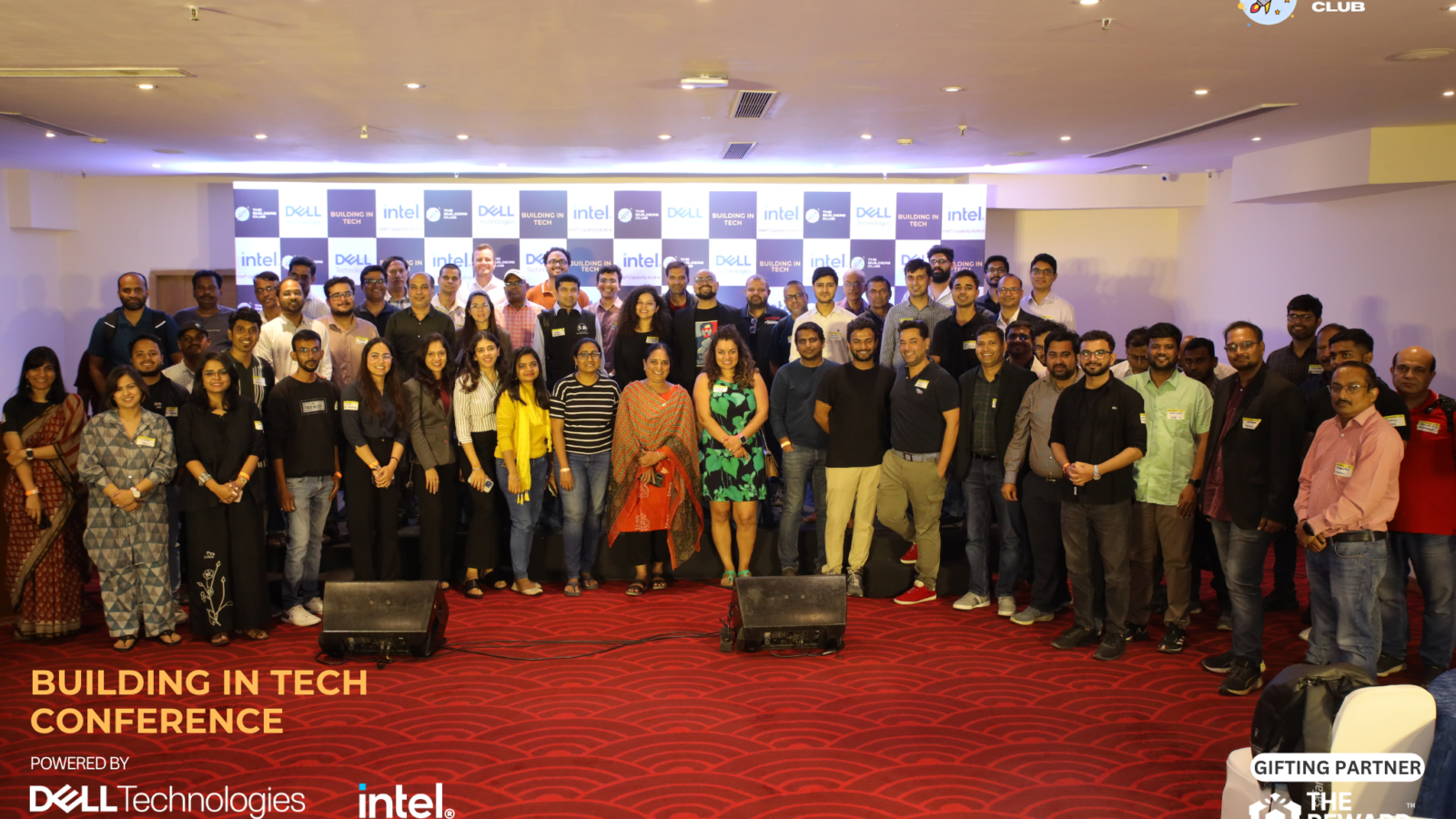
The third chapter in the series was the most ambitious. What began as an intimate evening had evolved into a full conference — the Building in Tech Conference, hosted with Dell Technologies and Intel, with The Reward Store joining as gifting partner.
The tagline said it plainly: AI, Infra & Insight — All in One Room. The goal, as organizers put it, was to “bring together the people actually building in AI and tech — and spark real, raw, valuable conversations.” With eight speakers across founders, CTOs, investors, and enterprise leaders, the room had genuine diversity of experience and perspective.
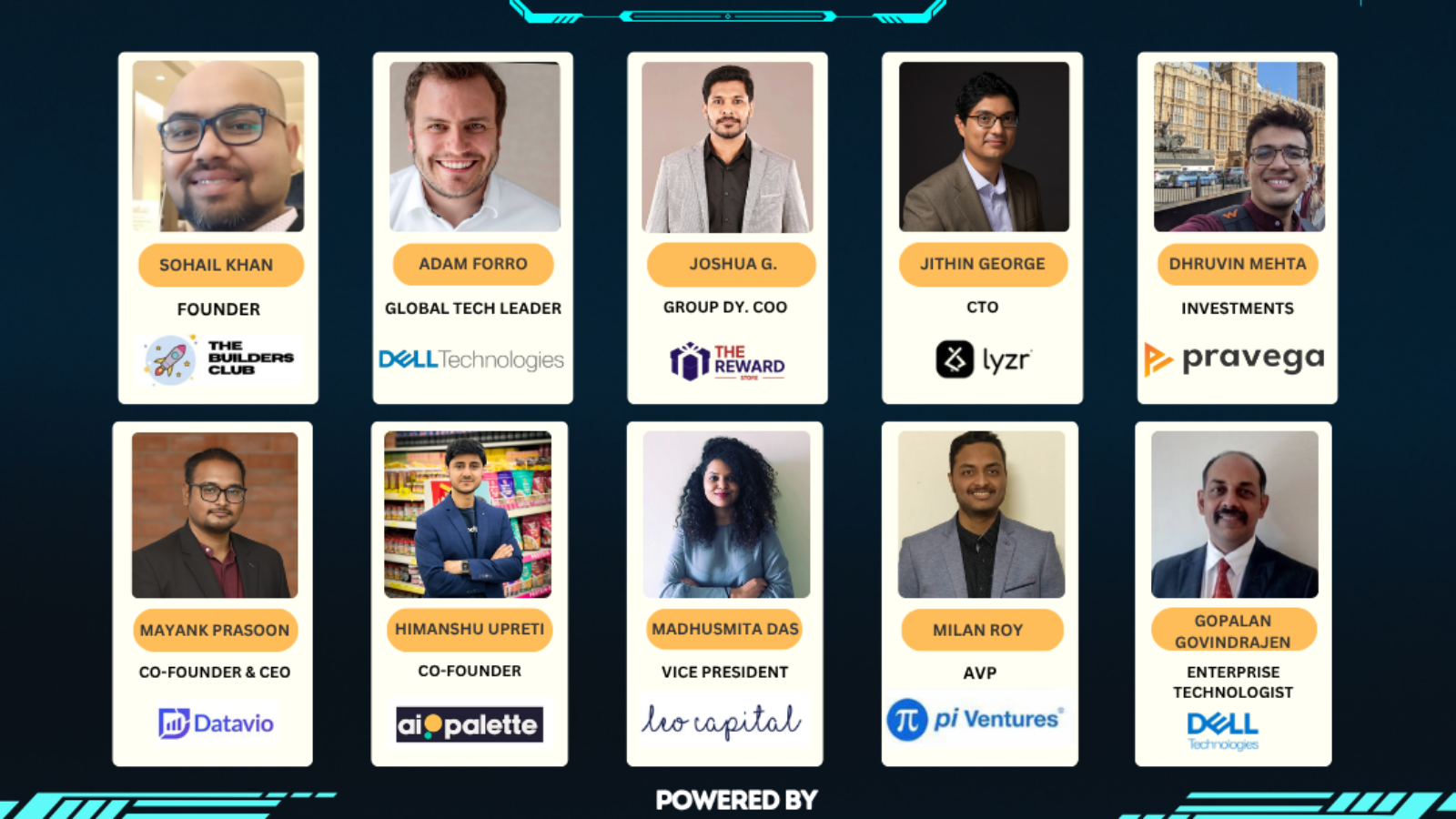
Adam Forro, Global Tech Leader at Dell Technologies, took on the question of what it really means to build an AI-first business from the ground up. His core argument: traditional businesses and AI-first startups don’t just use different tools — they operate on completely different wavelengths when it comes to tech and infrastructure. AI doesn’t merely need faster processors; it needs infrastructure that is modular by design, built to support use cases that don’t yet exist. Whether a company is deploying a simple chatbot or integrating AI across its entire operations, the architecture decisions made today will determine what’s possible tomorrow. He pointed to frameworks like Dell’s AI Factory as examples of what future-ready, scalable AI infrastructure looks like in practice.
Himanshu Upreti, Co-founder of AI Palette, brought the founder’s perspective on building AI products in a sector — food and consumer goods — where the stakes of getting it wrong are tangible and immediate. Jithin George, CTO of Lyzr, spoke to the technical realities of building AI agent infrastructure, a space that is moving faster than most organizations can absorb.
The investor voices at the conference added critical context to the builder conversations. Dhruvin Mehta from Pravega Ventures and Madhusmita Das, Vice President at Leo Capital, offered their views on how capital is flowing in the AI-infra space and what separates investable companies from interesting experiments. Milan Roy, AVP at Pi Ventures, added a further layer of nuance on where the long-term value will accrete in an ecosystem that is still being defined.
On the operator side, Mayank Prasoon, Co-founder & CEO of Datavio, addressed one of the most persistent challenges in enterprise AI: data — how to structure it, govern it, and turn it from a liability into a genuine competitive asset. Joshua Gautham, Group Deputy COO of The Reward Store, brought a cross-sector perspective on how AI is reshaping operations and consumer experience even in industries that aren’t traditionally seen as technology-first.
The conference after-movie captured what words often can’t — the energy of a room where everyone had skin in the game, where the conversations didn’t stop when the formal sessions ended, and where the connections made were the kind that actually move things forward.
The Through-Line: What the Series Is Really About
Across three events, in two distinct phases of the technology cycle, a consistent thread runs through the Building and Tech Series: the gap between those who think about infrastructure and those who don’t is widening, and it matters more than ever.
In the first event, the debate was about control versus convenience — whether to own your stack or rent it, and what the long-term implications of each choice are. By the second, AI had reframed that question entirely. The issue was no longer just efficiency or cost; it was whether your infrastructure could support workloads that were fundamentally different from anything that came before. And by the third, with the Building in Tech Conference, the conversation had matured again — from “should we do AI?” to “how do we build organizations that are AI-native from the foundation up?”
The speakers who have shaped this series — investors like Murali Krishna Gunturu, Anush Prem, Harshal Gupta, Dhruvin Mehta, Madhusmita Das, and Milan Roy; founders and operators like Rishikesh SR, Himanshu Upreti, Mayank Prasoon, and Joshua Gautham; CTOs and tech leaders like Suryaprakash Konanuru, Jithin George, and Vivek Shastry; and enterprise partners like Sourabh Mishra and Adam Forro — don’t agree on everything. But they share a conviction that the decisions being made right now, in boardrooms and engineering standups and founder one-on-ones, will determine who builds what’s next.
That’s what The Builders Club is here for. Not to hand out answers, but to create the conditions where the right questions get asked — by the right people, in the same room, at the right time.
The series continues. If you want to be in that room, watch this space.
The Building and Tech Series is produced by The Builders Club in partnership with Dell Technologies and Intel. Follow @inthebuildersclub for upcoming events.