inthebuildersclub_1765881600_3788867679306648755_45770748198

Virtual Roundtable series

The Global Tech Roundtable: Where the World’s Tech & GTM Leaders Sit at One Table

The Builders Club · Virtual Event Series

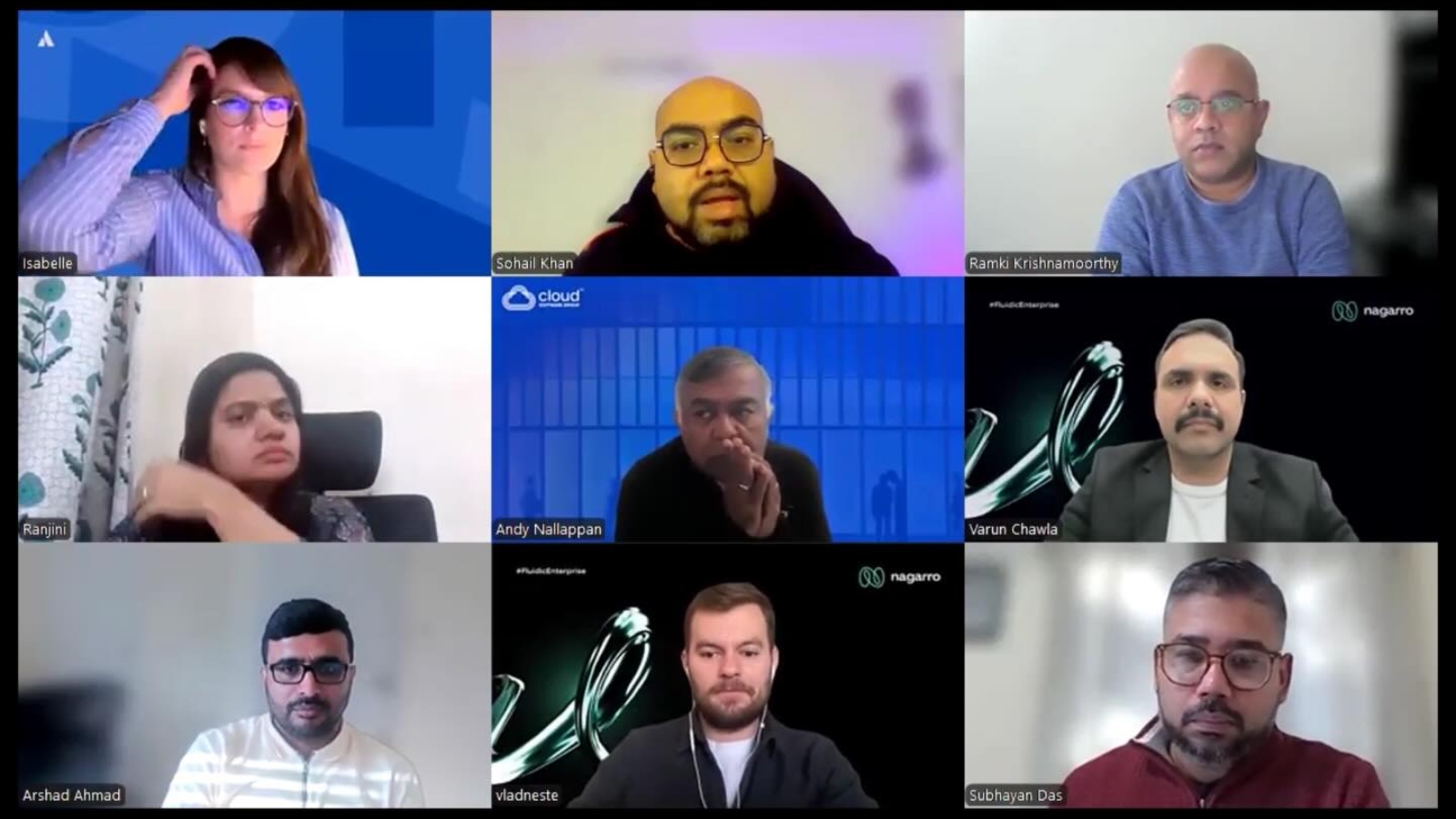
The world’s most interesting conversations about technology rarely happen in one place — they happen across time zones, ecosystems and markets. The Global Tech Roundtable, The Builders Club’s flagship virtual event series, was built to close that gap: a single, open forum where CXOs and founders from the US, UK, Europe, Dubai and beyond come together to talk candidly about tech, go-to-market and the opportunities hiding inside every domain.

Each session zooms in on one theme — a trend, a shift, or a market — and brings the people actually building inside it into the same room. No surface-level panels. Just real operators sharing what’s working, what’s changing, and where the next opening is.

One Global Forum, Many Time Zones

The premise is simple but rare to execute: get leaders from across the globe onto one common forum and let them think out loud together. Across editions we’ve hosted voices from the US, the UK, Europe, Dubai and India — each bringing the texture of their own market to a shared conversation. The result is a roundtable that feels less like a webinar and more like a working session between peers who happen to live on different continents.

View this reel on Instagram

Conversations on Tech & GTM

Technology and go-to-market are two sides of the same growth story, and the series treats them that way. One conversation might unpack an emerging engineering trend; the next digs into how teams actually take a product to a new market. By keeping both threads in the room — the builders and the go-to-market leaders — the discussions stay grounded in how decisions really get made: from architecture to pipeline, from product to positioning.

View this reel on Instagram

Voices From Across the World

A roundtable is only as good as the people around it. What makes this series distinct is the range of ecosystems represented in a single conversation — a leader scaling in the US, an operator navigating Europe’s regulatory landscape, a founder building out of Dubai, a CXO from the UK. Those different vantage points turn a familiar topic into a genuinely global one, surfacing perspectives you simply can’t get from a single-market discussion.

View this reel on Instagram

Trends, Signals & What’s Next

Every edition is anchored to a theme that matters right now — the trends reshaping a domain, the signals worth watching, and the shifts leaders are quietly preparing for. Instead of recycled predictions, the value comes from people who are living the change and willing to say what they’re actually seeing on the ground. It’s a fast, honest read on where a domain is heading, straight from the operators steering it.

View this post on Instagram

Opportunities Inside Every Domain

Trends are interesting; opportunities are actionable. A recurring thread across the series is turning “what’s happening” into “what can we do about it” — the white spaces opening up in a domain, the gaps incumbents are too slow to fill, and the moves that give challengers an edge. For founders and CXOs, these are the moments worth leaning into, mapped out by people who’ve already spotted them.

View this post on Instagram

A Launchpad for Market Expansion

At its core, the Global Tech Roundtable exists to help businesses grow into new geographies. If you’re looking to expand into a new market, there’s no substitute for hearing directly from the CXOs who already operate there — what the ecosystem rewards, where the friction lives, and what a credible entry actually looks like. The series gives expansion-minded leaders a place to pressure-test their thinking before they commit budget and headcount.

View this post on Instagram

Direct Access to the Ecosystem’s CXOs

Beyond the insight, the real currency is access. The roundtable puts founders and business leaders in front of CXOs from the ecosystems they want to enter — to share a thought, exchange perspective, understand what those markets need, and build the relationships that make expansion possible. It’s the kind of room where a single conversation can shorten months of trial and error.

View this post on Instagram

Pull Up a Chair

The Global Tech Roundtable keeps growing because the format works: one domain, the right people, an open forum, and a global set of perspectives in every session. Whether you’re scaling a tech business, sharpening your go-to-market, or planning your next geography, there’s a seat for you at the table.

View this post on Instagram

Want to join the next Global Tech Roundtable? Connect with CXOs and founders from across the globe — explore the community.

ChatGPT Image May 21, 2026, 12_32_08 PM

TBC x speakin x SGEnable

Some conversations you plan. Some conversations just happen. The rarest kind are the ones you plan — and they still surprise you.

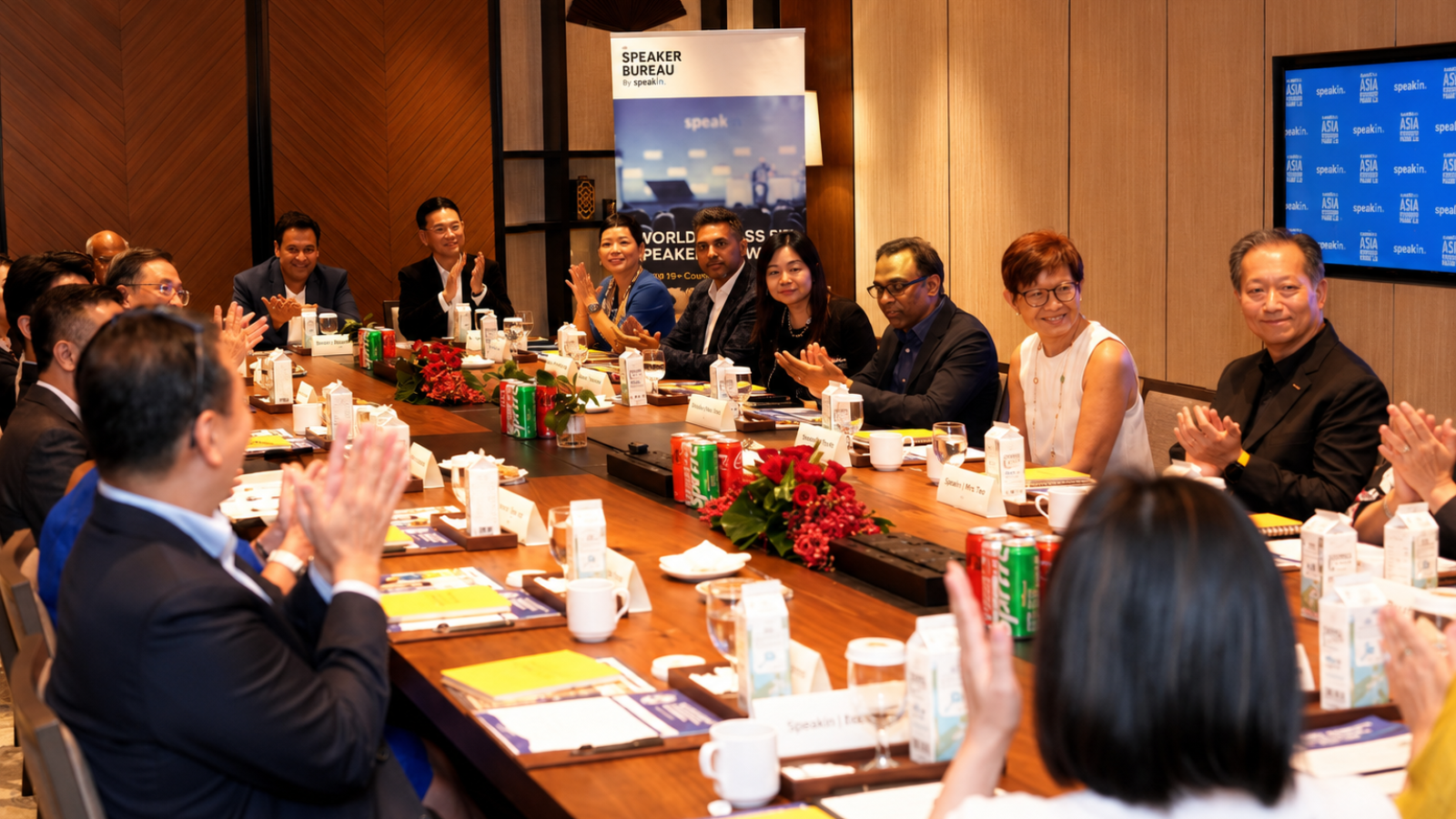
We recently partnered with SpeakIn and SG Enable to host a CXO roundtable at the Shangri-La Singapore — one of those evenings that reminded us exactly why The Builders Club exists.

The conversation centred on something most businesses still treat as a side agenda: the meaningful inclusion of Persons with Disabilities (PWDs) in the workplace. Not as a CSR initiative. Not as optics. As a genuine business strategy — and a more honest way to build.

CXO Roundtable on Inclusion — Shangri-La Singapore

The roundtable in session — Shangri-La Singapore, September 25, 2025

What The Builders Club Brought to the Table

Our role was clear: bring the right people. SpeakIn and SG Enable had the vision and the infrastructure. We had the network.

We curated a group of CXOs and senior decision-makers from The Builders Club community — leaders willing to sit in a room, set aside rehearsed corporate positions, and actually talk about the friction they face when it comes to hiring and integrating PWD talent inside their organisations.

That kind of honest room doesn’t happen by accident. It takes the right hosts, the right setting, and the right people who trust each other enough to say what’s real.

Shangri-La Singapore — Tower Wing, Private Dining The choice of venue was deliberate. When you invite senior leaders to a conversation like this, the setting signals intent before a single word is spoken. No stage, no audience, no performance. Just a table — and people willing to be real around it.

What Was Said

The evening was convened under the vision of Senior Parliamentary Secretary Eric Chua, with SG Enable driving the policy and ecosystem perspective. What made the roundtable exceptional wasn’t the agenda. It was the honesty of the people in the room.

  • Li-Fang Lai from OCBC shared how a personal experience with disability in her own family reframed everything for her professionally — and how OCBC is actively moving from charity thinking to capability thinking when it comes to PWD hiring.
  • Engineer Lionel Lee showed — not just told — how customised roles unlock talent that standard job architectures completely miss. His presence in the room was its own argument.
  • Edward Chew from SG Enable laid out the 360-degree policy ecosystem being built to make inclusion structurally viable — not just aspirationally good — for Singapore’s employers.
  • Cheryl Chan from ST Engineering brought the kind of leadership presence that changes the energy of a room. Her engagement gave the entire discussion a new level of gravity.
  • K V Rao and Dr. Timothy Low bridged the gap between policy ambition and operational reality — giving the employer side of the table a sharp, constructive voice.
Group photograph — CXO roundtable participants at Shangri-La Singapore

Leaders gathered at the Shangri-La Singapore — September 2025

The One Line That Stayed With Us

“Inclusion isn’t just about doing good — it’s about doing business better.”

That was the thread running through the entire evening. The PWD talent pool isn’t a charity case. It’s an undertapped asset — one that carries unique strengths, deep loyalty, and capabilities that conventional hiring pipelines rarely surface.

The businesses that figure this out first won’t just be more equitable. They’ll be more competitive.

In conversation at the CXO roundtable — Shangri-La Singapore

The conversations that matter most happen between the agenda points

Why This Is What Community Is For

The Builders Club exists for moments like this. Not to network. Not to broadcast. To move things forward — by putting the right people in the same room and letting what needs to happen, happen.

We didn’t build a stage. We built a table. And around that table, something shifted — in perspective, in commitment, and hopefully, in what gets actioned back in boardrooms across Singapore.

Our deepest thanks to SpeakIn for their commitment to conversations that count, and to SG Enable for the clarity and conviction they bring to inclusion work every single day.

If you’re a founder or CXO thinking about where your organisation stands on this — The Builders Club is a good place to start that conversation.


Dell Event -Easel Stand

An Evening in Tech Series

The Changing Landscape: How The Builders Club Is Redefining Tech Conversations

A three-part series on infrastructure, artificial intelligence, and the future of building — in partnership with Dell Technologies and Intel


There are events that fill a room, and then there are events that shift a conversation. Over the course of three distinct gatherings, The Builders Club set out to do the latter. Through its Building and Tech Series, the club brought together founders, CTOs, investors, and operators to wrestle with the questions that actually keep builders up at night: How do you build infrastructure that doesn’t break you? What does AI genuinely mean for your company’s stack? And what separates the organizations that will lead the next decade from those that will simply survive it?

This is the story of those three events, the people who shaped them, and the ideas that came out of them.


Event One — An Evening in Tech: On-Prem vs. Off-Prem

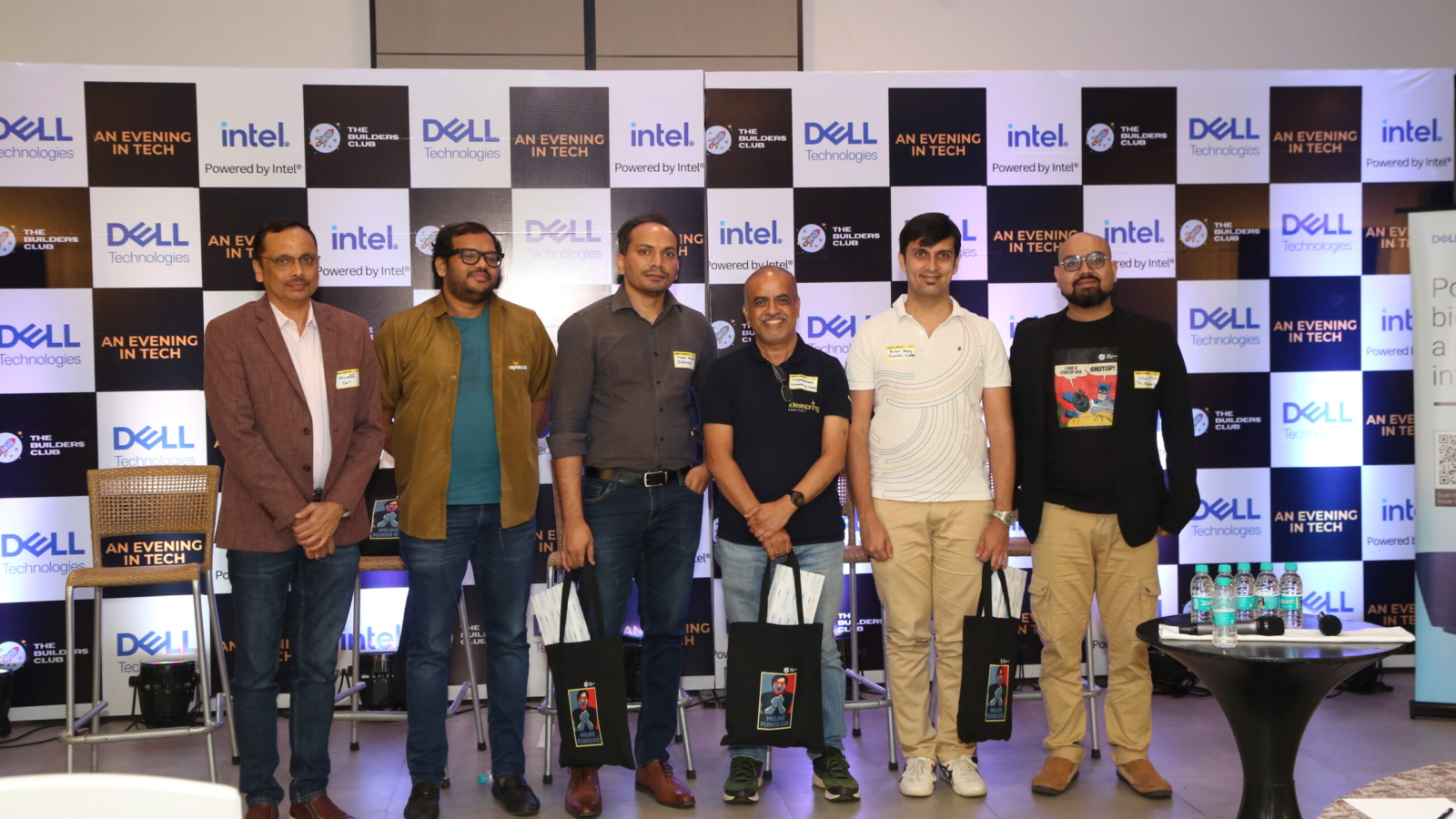
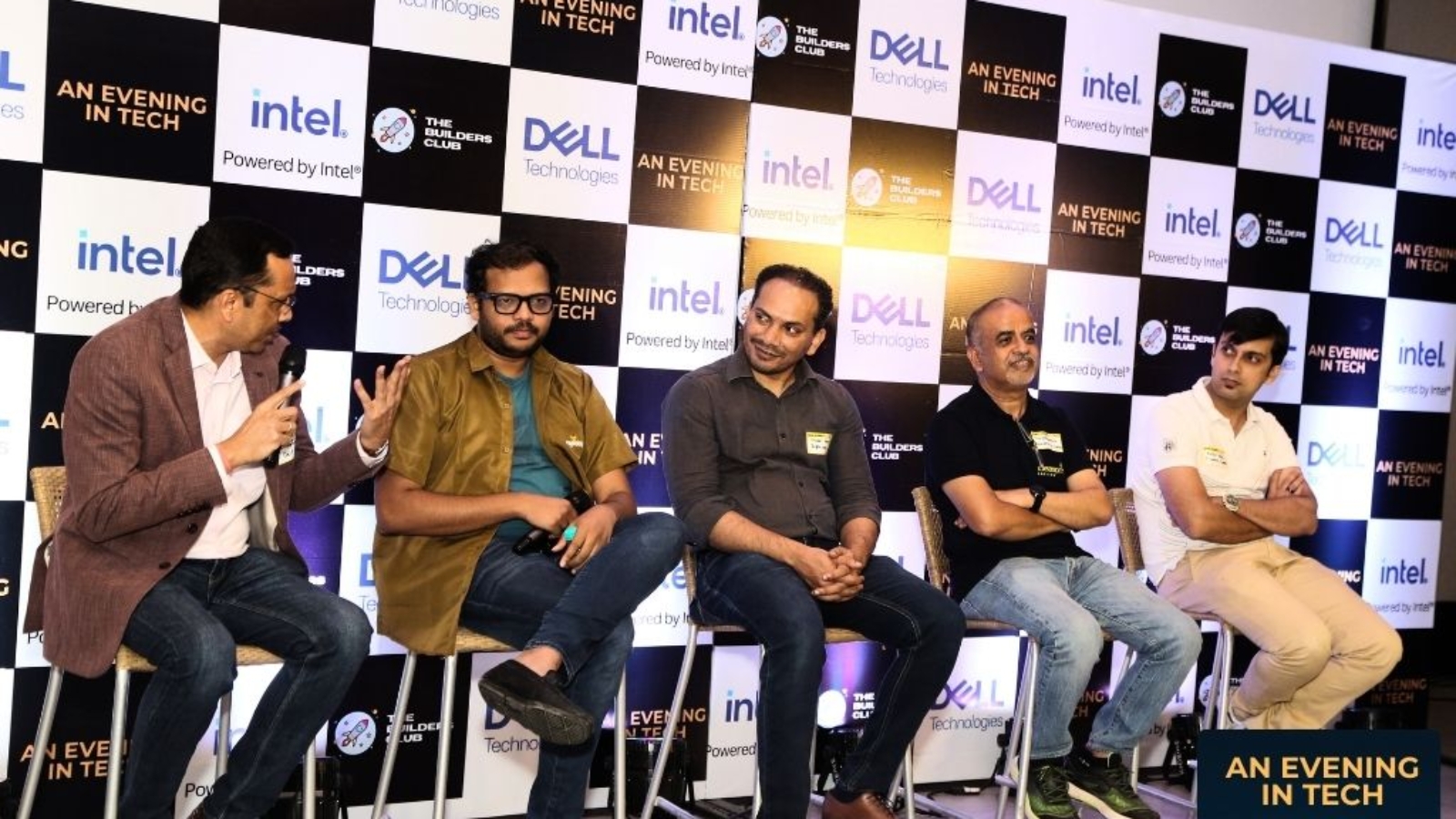
The first event in the series set the tone for everything that followed. Powered by Dell Technologies and Intel Corporation, An Evening in Tech drew over 30 founders and featured five trailblazing speakers. The format was deliberately open — a roundtable rather than a stage, where attendees were participants, not audiences.

The central debate was one of the most enduring in enterprise technology: On-premises versus Off-premises infrastructure. It’s a question that sounds straightforward until you actually have to live with the answer. Building your own infrastructure gives you control, security, and potentially lower long-term costs — but demands capital, expertise, and maintenance. Opting for cloud-based services offers agility and scale, but introduces dependencies and variable costs that can spiral as you grow.

The evening’s speakers brought lived experience to this debate from every angle — venture capital, operator, CTO, and partnership.

Murali Krishna Gunturu, Principal at Inflexor Ventures, offered the investor’s vantage point — how infrastructure decisions at an early stage can shape a startup’s trajectory and fundability. Rishikesh SR, Co-founder of Rapido, brought the operator’s lens: what it actually looks like to scale a consumer technology platform and make real-time infrastructure choices under pressure. Rohan Bajaj, an angel investor with investments including OpenAI, spoke to the broader trends shaping where money is flowing and what founders building for the future need to think about from day one.

On the enterprise and CTO side, Suryaprakash Konanuru, CTO at Ideaspring Capital, unpacked how technology leaders think about architecture — not just for today’s workloads, but for the unknowns of tomorrow. Sourabh Mishra, Director of Global Alliances at Dell Technologies, grounded the conversation in the practical: what solutions are available, what trade-offs are real, and how companies can make infrastructure decisions that age well.

One line from the discussion became a defining takeaway of the evening: “Even if you do not have the infrastructure yet, the architecture should be there.” It’s a simple principle with profound implications — that the thinking has to precede the building, and that scalability is a design decision before it’s an engineering one.

The roundtable format proved its worth. Rather than a succession of prepared remarks, the evening unfolded as a genuine exchange — founders pushing back, speakers recalibrating, and the audience finding themselves not just learning but contributing. It was exactly the kind of collision the series was built for.


Event Two — Evening in Tech: AI Edition

As the series continued, the conversation in tech had shifted — or more accurately, it had been consumed. Artificial intelligence was no longer a sidebar topic; it was the central axis around which every infrastructure and product decision was now turning. The Builders Club’s second event in the series responded directly to that reality.

Again in partnership with Dell and Intel, the Evening in Tech: AI Edition gathered 20 curated founders, CTOs, and tech leaders for what organizers described as “power-packed conversations on the future of AI.” This was a smaller, more intimate gathering by design — the kind of room where status disappears and real dialogue replaces polished presentations.

The speaker lineup reflected the full stack of the AI ecosystem. Anush Prem, Principal at Inflexor Ventures, brought the capital perspective — how investors are now evaluating AI-native companies differently, and what it means for founders to be building in this moment. Harshal Gupta, Principal at Arali Ventures, added another investor dimension, looking at where the real opportunities lie as the market separates genuine AI value creation from the noise.

From the operator and product world, Amar Srivastava, SVP of Product at Scaler, addressed the practical challenge that most AI builders eventually face: how do you actually ship AI-powered products at scale, and what infrastructure decisions make or break that journey? Pradeep Rao, Director at Kyndryl, brought an enterprise services perspective — a crucial reminder that most AI deployments don’t happen in greenfield environments but inside organizations with complex, legacy technology estates.

Anchoring the conversation on the infrastructure side was Vivek Shastry, CTO for Global Alliances at Dell Technologies, who walked the room through what purpose-built AI infrastructure actually looks like and why the old assumptions about compute, storage, and networking need to be fundamentally reconsidered for AI workloads.

The discussions ranged across the AI infrastructure landscape, the emerging opportunities in the space, and the specific decisions founders and technical leaders need to make as they build. What emerged wasn’t a consensus, exactly — it was a richer map of the terrain, drawn by people who are actively navigating it.


Event Three — Building in Tech Conference

The third chapter in the series was the most ambitious. What began as an intimate evening had evolved into a full conference — the Building in Tech Conference, hosted with Dell Technologies and Intel, with The Reward Store joining as gifting partner.

The tagline said it plainly: AI, Infra & Insight — All in One Room. The goal, as organizers put it, was to “bring together the people actually building in AI and tech — and spark real, raw, valuable conversations.” With eight speakers across founders, CTOs, investors, and enterprise leaders, the room had genuine diversity of experience and perspective.

Adam Forro, Global Tech Leader at Dell Technologies, took on the question of what it really means to build an AI-first business from the ground up. His core argument: traditional businesses and AI-first startups don’t just use different tools — they operate on completely different wavelengths when it comes to tech and infrastructure. AI doesn’t merely need faster processors; it needs infrastructure that is modular by design, built to support use cases that don’t yet exist. Whether a company is deploying a simple chatbot or integrating AI across its entire operations, the architecture decisions made today will determine what’s possible tomorrow. He pointed to frameworks like Dell’s AI Factory as examples of what future-ready, scalable AI infrastructure looks like in practice.

Himanshu Upreti, Co-founder of AI Palette, brought the founder’s perspective on building AI products in a sector — food and consumer goods — where the stakes of getting it wrong are tangible and immediate. Jithin George, CTO of Lyzr, spoke to the technical realities of building AI agent infrastructure, a space that is moving faster than most organizations can absorb.

The investor voices at the conference added critical context to the builder conversations. Dhruvin Mehta from Pravega Ventures and Madhusmita Das, Vice President at Leo Capital, offered their views on how capital is flowing in the AI-infra space and what separates investable companies from interesting experiments. Milan Roy, AVP at Pi Ventures, added a further layer of nuance on where the long-term value will accrete in an ecosystem that is still being defined.

On the operator side, Mayank Prasoon, Co-founder & CEO of Datavio, addressed one of the most persistent challenges in enterprise AI: data — how to structure it, govern it, and turn it from a liability into a genuine competitive asset. Joshua Gautham, Group Deputy COO of The Reward Store, brought a cross-sector perspective on how AI is reshaping operations and consumer experience even in industries that aren’t traditionally seen as technology-first.

The conference after-movie captured what words often can’t — the energy of a room where everyone had skin in the game, where the conversations didn’t stop when the formal sessions ended, and where the connections made were the kind that actually move things forward.


The Through-Line: What the Series Is Really About

Across three events, in two distinct phases of the technology cycle, a consistent thread runs through the Building and Tech Series: the gap between those who think about infrastructure and those who don’t is widening, and it matters more than ever.

In the first event, the debate was about control versus convenience — whether to own your stack or rent it, and what the long-term implications of each choice are. By the second, AI had reframed that question entirely. The issue was no longer just efficiency or cost; it was whether your infrastructure could support workloads that were fundamentally different from anything that came before. And by the third, with the Building in Tech Conference, the conversation had matured again — from “should we do AI?” to “how do we build organizations that are AI-native from the foundation up?”

The speakers who have shaped this series — investors like Murali Krishna Gunturu, Anush Prem, Harshal Gupta, Dhruvin Mehta, Madhusmita Das, and Milan Roy; founders and operators like Rishikesh SR, Himanshu Upreti, Mayank Prasoon, and Joshua Gautham; CTOs and tech leaders like Suryaprakash Konanuru, Jithin George, and Vivek Shastry; and enterprise partners like Sourabh Mishra and Adam Forro — don’t agree on everything. But they share a conviction that the decisions being made right now, in boardrooms and engineering standups and founder one-on-ones, will determine who builds what’s next.

That’s what The Builders Club is here for. Not to hand out answers, but to create the conditions where the right questions get asked — by the right people, in the same room, at the right time.

The series continues. If you want to be in that room, watch this space.


The Building and Tech Series is produced by The Builders Club in partnership with Dell Technologies and Intel. Follow @inthebuildersclub for upcoming events.

1765706749601

Data Centre Professionals in Singapore Unite!

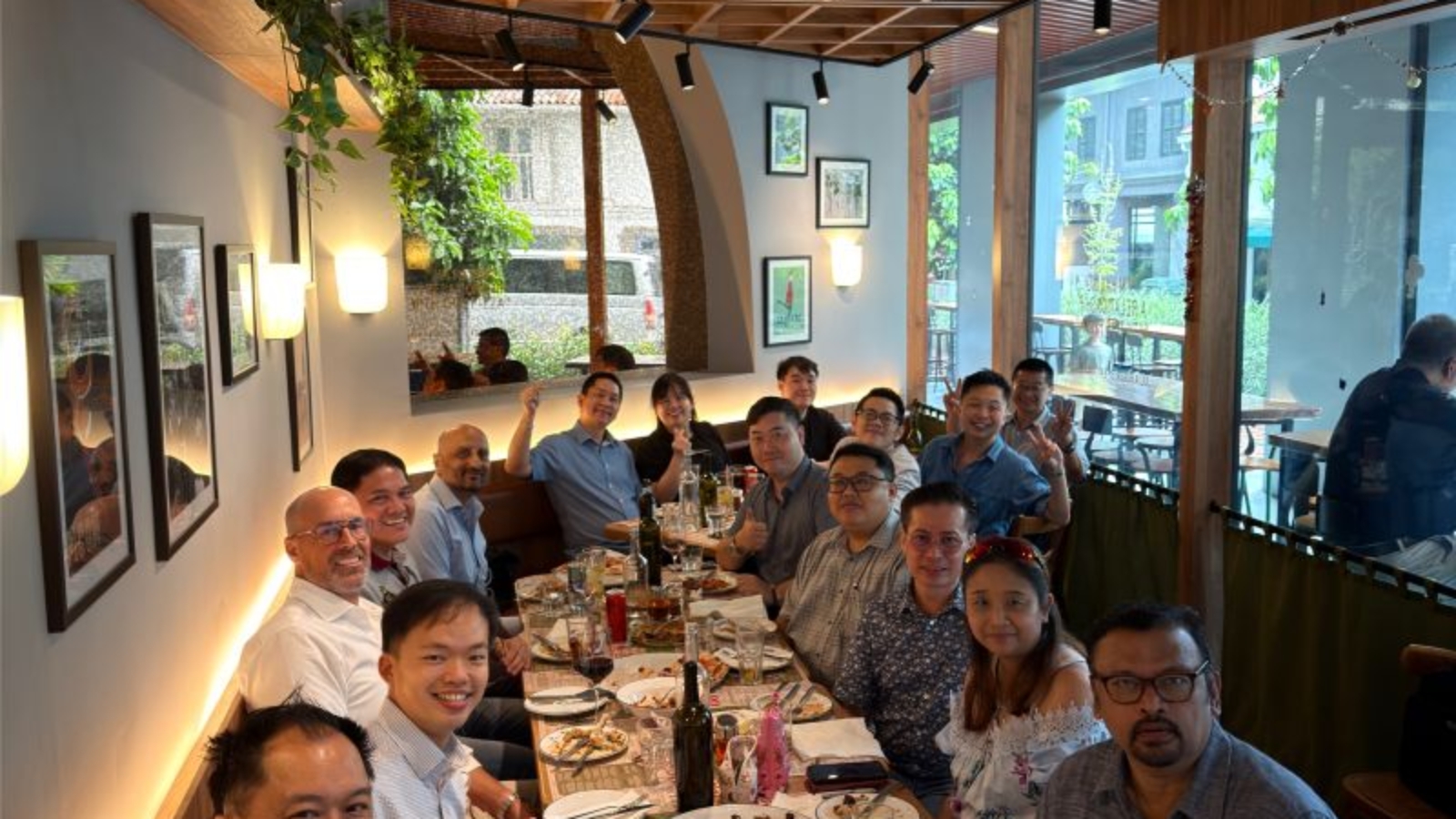
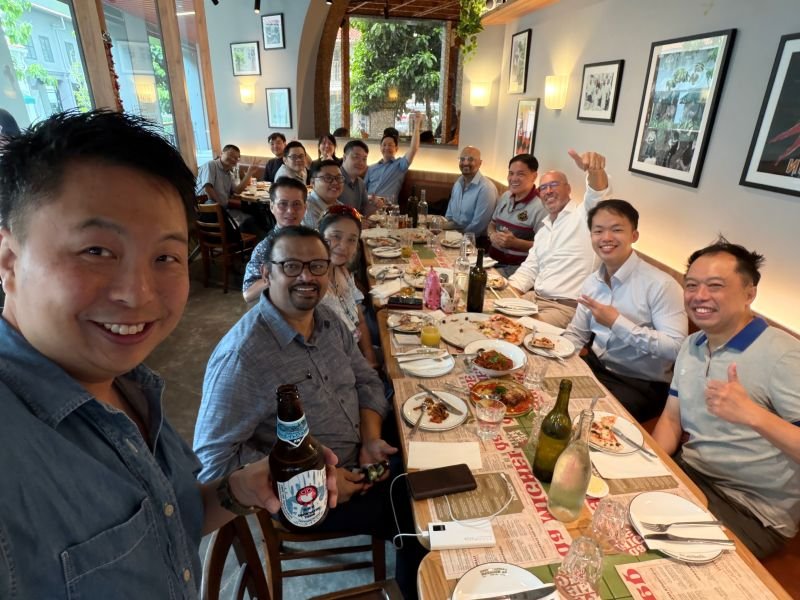
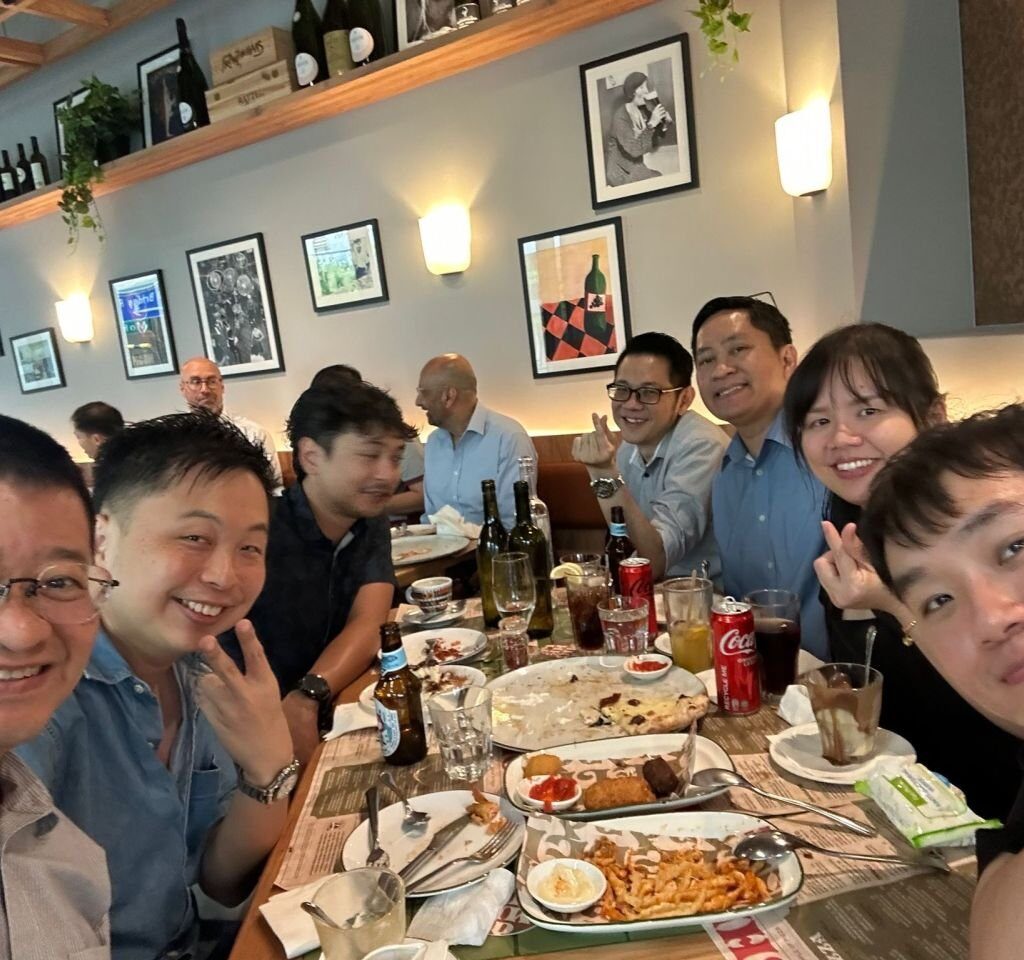
The room that night — data centre professionals from across Singapore, one long table, one great meal at Da Michele, Tanjong Pagar.

📍Da Michele  ·  Tanjong Pagar, Singapore

We Brought Data Centre Professionals Together Over Pizza. Here’s What Happened.

No conference. No panel. No sponsor booths. Just the right people, a long table, and wood-fired pizza.

The people building the infrastructure that powers the digital economy rarely get to sit across from each other without a contract in the middle.

So The Builders Club fixed that.

We organized an intimate dinner at Da Michele, Tanjong Pagar — bringing together Project Managers, MEP Quantity Surveyors, and specialists from across the data centre and semiconductor construction space. Different companies. Different projects. Same industry. One table.

The conversations didn’t stop — project stories, lessons from the field, and connections that actually matter.

Why We Did This

Data centres are one of the fastest-growing infrastructure categories in Southeast Asia. Billions are being deployed. Sites are going up across Singapore, Malaysia, Indonesia, and beyond.

But the professionals doing this work — the PMs, the MEP QSs, the specialists managing complexity on the ground — often operate in silos. They’re heads-down on their projects, their companies, their deliverables.

The Builders Club exists to break those silos. Not with another LinkedIn group or a webinar. But with real moments, real rooms, real conversations.

This dinner was exactly that.

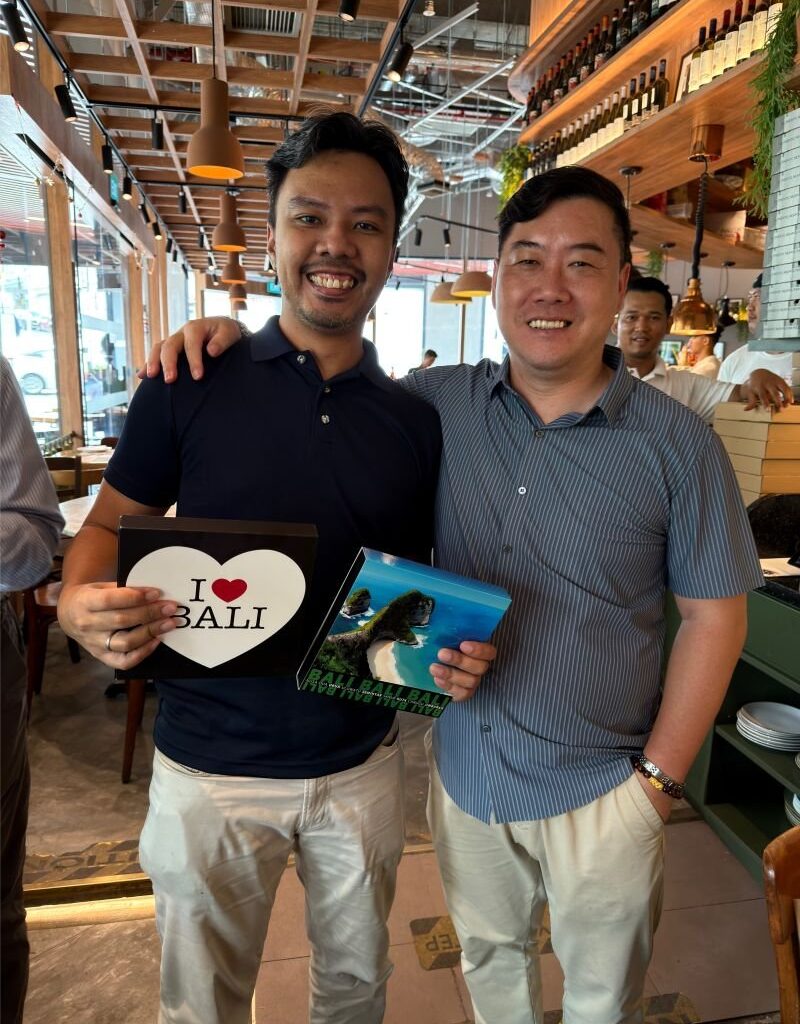
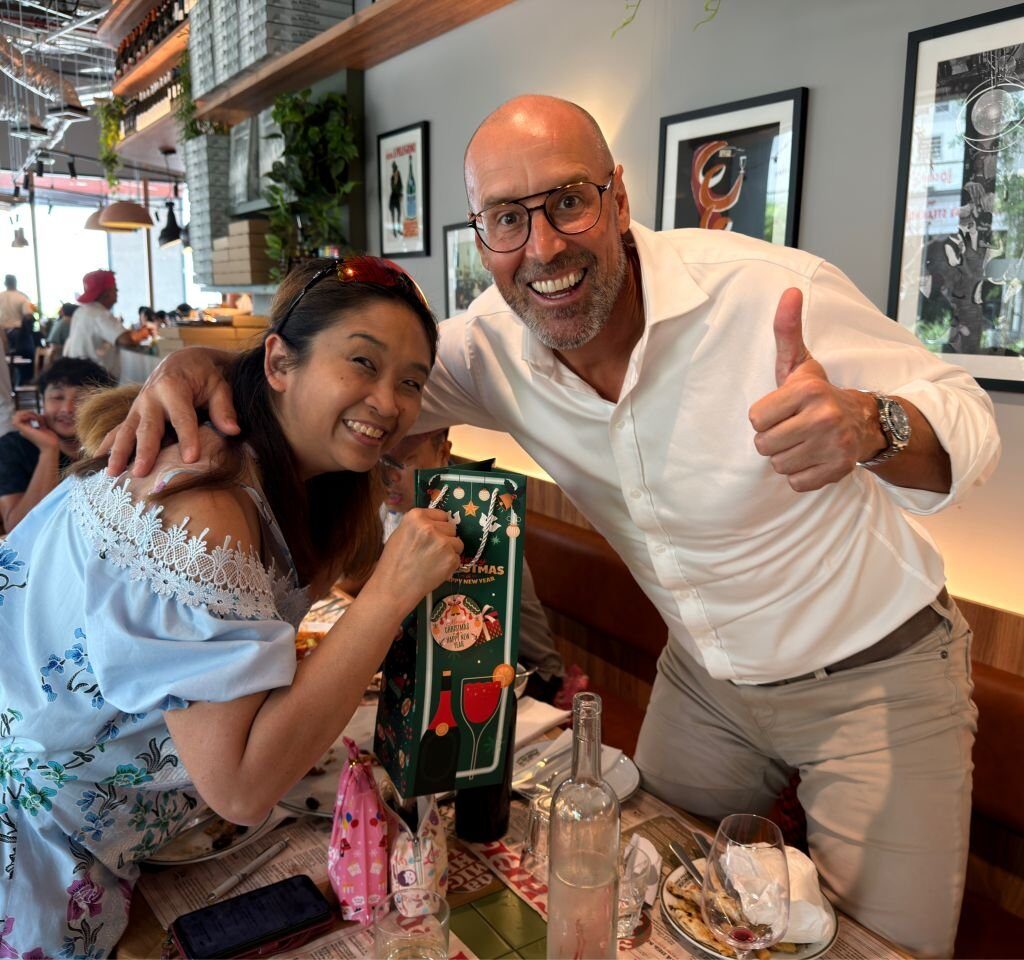
Genuine warmth — one of our members brought Bali gifts for the group. The little things make the community.

What Actually Happened That Night

What unfolded over a few hours at Da Michele was exactly what we hoped for — and more.

Real conversations. Project war stories. Lessons from the field that never make it into a report. The kind of knowledge-sharing that only happens when people feel comfortable enough to be honest.

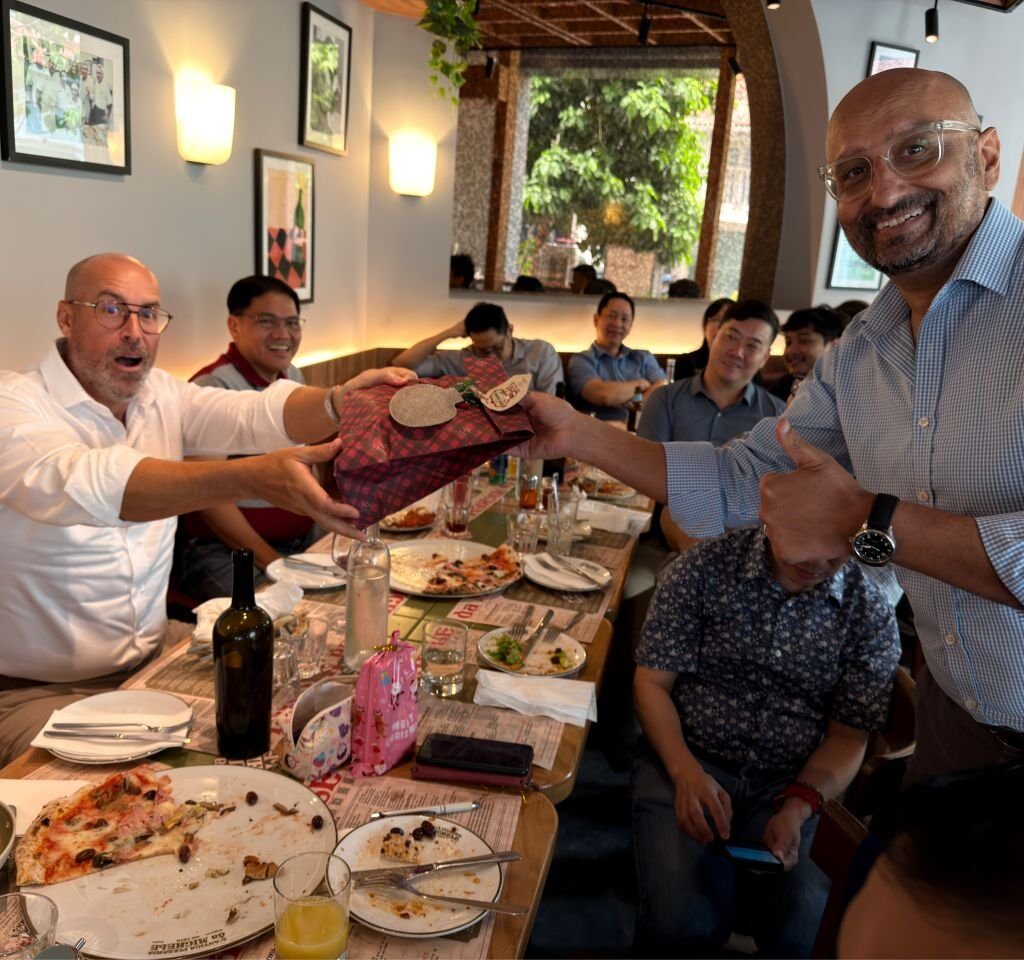
Gifts were exchanged. Laughs were had. A few people left with contacts they’ll actually use.

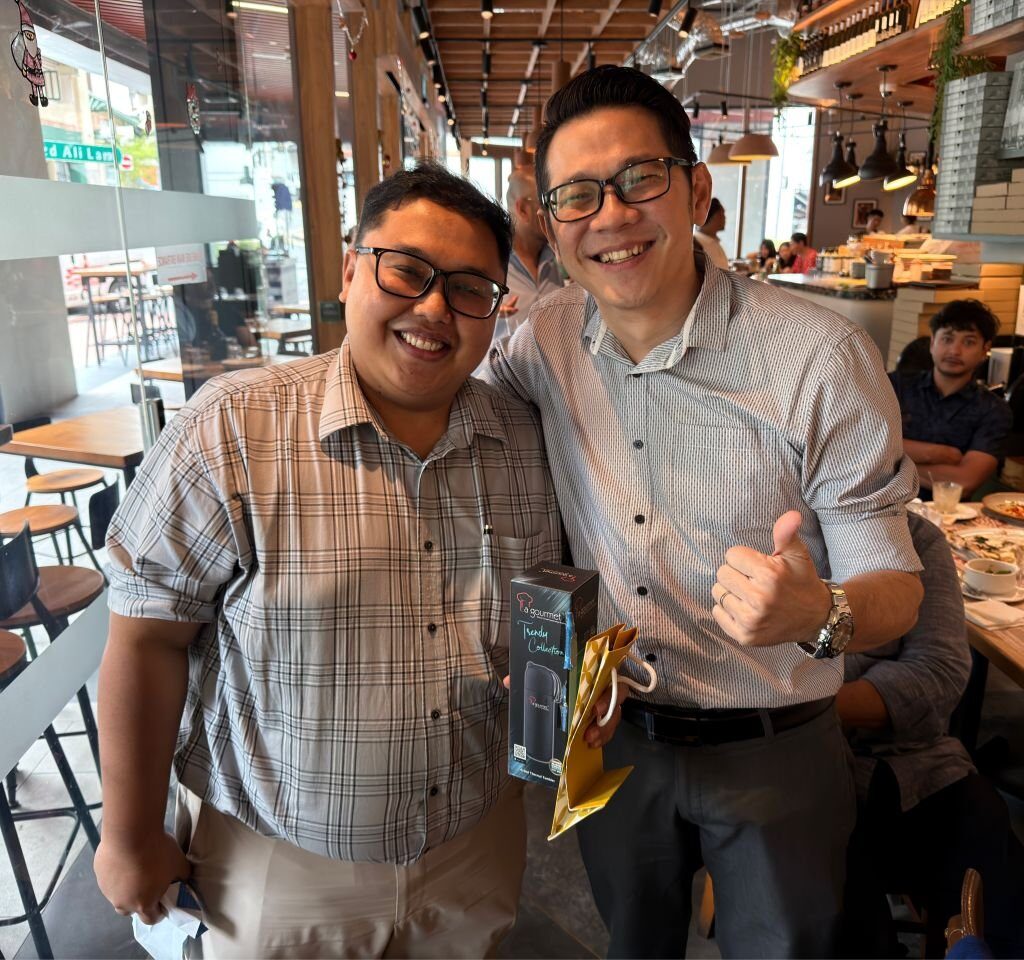
The gift exchange — a small tradition that signals something bigger. This community takes care of each other.
The festive energy was real — this wasn’t networking. This was community.

This Is What The Builders Club Is Built For

Not just funding. Not just founder support. But creating the conditions where smart professionals in the same orbit can finally find each other — and build something from that.

The best communities aren’t built on content or newsletters. They’re built on moments. This was one of those moments.

New connections forged. The table is getting bigger.

Are You a Data Centre Professional in Southeast Asia?

PM, QS, MEP, developer side — if you work in this space and want to be part of the next gathering, we’d love to have you at the table. Join The Builders Club →

The Builders Club is a global community for founders, CXOs, and senior professionals. We create spaces where great people find each other.

Screenshot 2025-05-16 000007

Evening in Tech: AI Edition – A Night to Remember

Evening in Tech: AI Edition – A Night to Remember

, , , , ,

An unforgettable night of innovation, insight, and inspiration.

The much-awaited After-Movie of Evening in Tech: AI Edition is here — and it perfectly captures the electric energy of a night that brought together the brightest minds shaping the future of artificial intelligence.

Held in association with Intel and Dell, this wasn’t just another tech meetup. It was an invite-only, curated gathering of 20 visionary founders, industry pioneers, and forward-thinking panellists — all under one roof, engaging in meaningful conversations about what’s next in AI.

🚀 A Gathering of Builders

The evening kicked off with a series of high-impact talks and panel discussions featuring stellar speakers from across the AI landscape. From product-led growth in AI startups to the evolving role of ethical frameworks in machine learning, the sessions were rich with insights that pushed boundaries and sparked powerful conversations.

Our guest list was carefully curated, bringing in founders building in deep tech, VCs with an eye on the future, and senior professionals from across the ecosystem — all eager to connect, collaborate, and co-create.

🤝 Powered by Incredible Partnerships

A huge shoutout to Dell for being a phenomenal partner in making this night a reality. Their commitment to supporting the startup and innovation ecosystem was on full display — not just in logistics, but in thought leadership and presence on-ground.

Equally, a big thank-you to Intel, whose ongoing collaboration and support helped ensure the evening was both high-value and high-impact.

💡 What Made It Special?

  • Intimate, high-quality networking with top-tier founders and ecosystem leaders
  • Real talk about building in AI — challenges, opportunities, and the road ahead
  • Actionable insights from domain experts and product leaders
  • A community-first vibe that sparked new ideas, potential collaborations, and lasting connections

🔮 What’s Next?

This is just the beginning. As AI continues to reshape industries and experiences, we’re committed to creating more such meaningful platforms — where builders meet, ideas collide, and the future takes shape.

To everyone who joined us — thank you for making this event unforgettable.
To those who missed it — stay tuned, we’re just getting started.

1756393225653

TBC Singapore x BNP Paribas

BNP Paribas wanted to get in the room with the right CXOs.

We made that happen.

Last week in Singapore, The Builders Club partnered with BNP Paribas to bring together a curated group of senior leaders — the kind of room where titles don’t matter, but perspectives do.

No agenda packed with speakers.
No death by PowerPoint.
Just CXOs, in conversation, with people worth talking to.

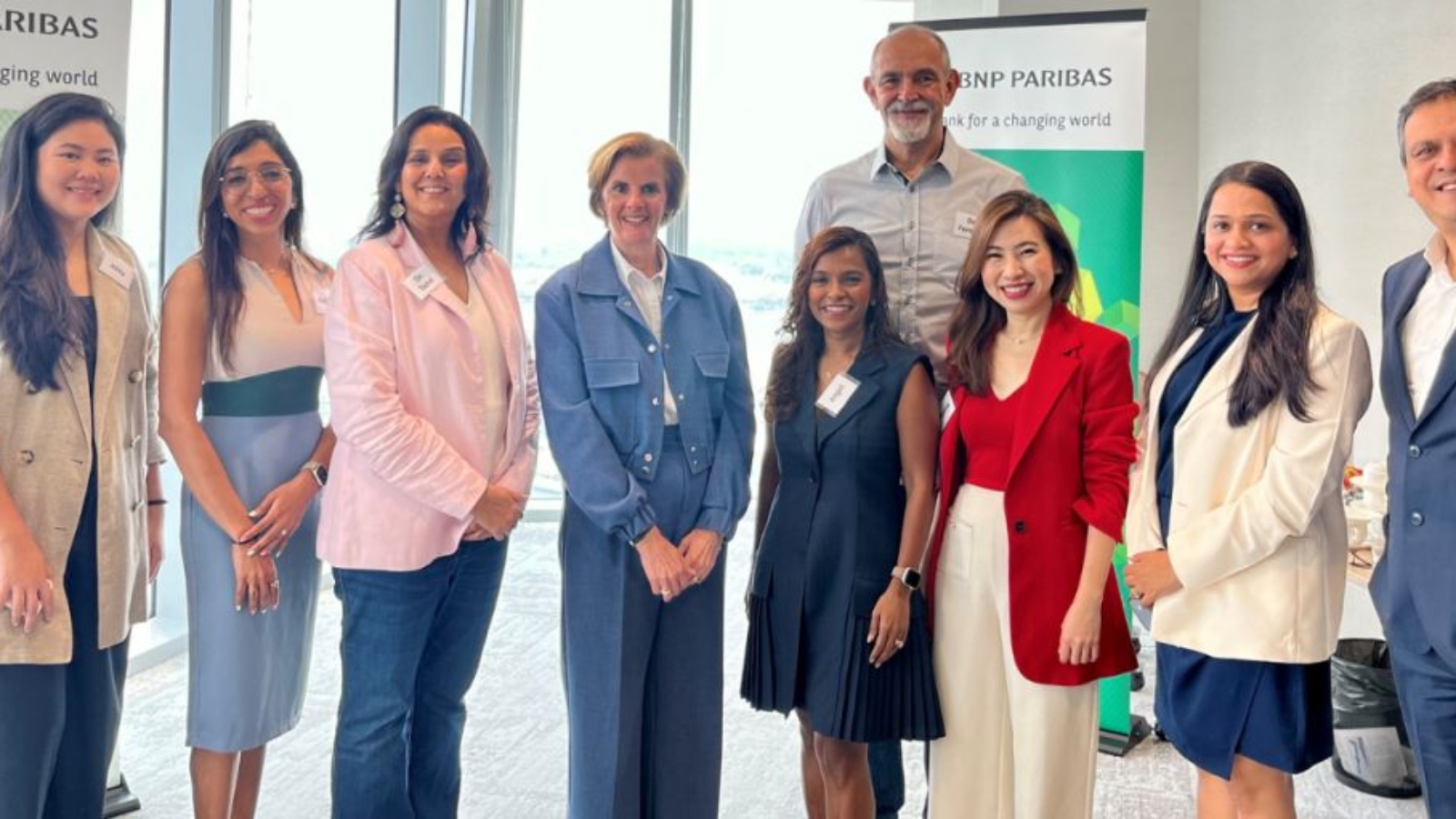
CXOs in conversation at the Builders Club x BNP Paribas event in Singapore
The Builders Club × BNP Paribas — Singapore

Three things that stayed with me from the room

AI is a multiplier, not a replacement.

The leaders who get this right aren’t replacing judgment — they’re freeing their best people to use it.

The curious ones outlast the credentialed ones.

Every CXO in that room who’s still growing has one thing in common. They never stopped asking questions.

Belonging has to be engineered.

Culture doesn’t happen by default. The best organisations design for it — deliberately, repeatedly, at every level.

Group photo at the Builders Club x BNP Paribas CXO event Singapore
The room that made it happen.

This is what The Builders Club does differently.

We don’t just curate content.
We curate rooms.

The right people. The right partner. The right conversation.

If your brand needs to be in front of the right CXOs — this is how it’s done.

AY0A9491

On Prem vs Off Prem Servers : Which one to go for which industry

On Prem vs Off Prem Servers : Which one to go for which industry

, , , , , ,

The On-prem vs Off Prem debate has always been a heated one in the tech circle – this make vx buy decision is usually the most critical one which impacts the bottom line as well.

In an evening in Tech, we took perspectives from all the speakers on what they think about it.

Sure, here is a more detailed elaboration on the points discussed in the video:

Each Industry behaves differently:

  • Pharmaceutical companies: Initially hesitant to move to the cloud due to concerns about intellectual property and data security, they are now increasingly adopting cloud solutions, particularly with the rise of secure cloud providers like Azure.
  • Semiconductor companies: Still largely on-premise due to the sensitive nature of their intellectual property and the massive size of their data.
  • Startups: Often prefer cloud solutions due to their pay-as-you-go model, which allows them to scale up or down as needed.

Compliance:

  • Highly regulated industries: Such as healthcare and finance, may have strict compliance requirements that necessitate on-premise deployments to ensure data sovereignty and security.
  • GDPR compliance: Organizations that handle personal data of European citizens must comply with GDPR regulations, which may influence their decision to choose on-premise or cloud solutions.

Cost Predictability:

  • On-premise deployments: Offer greater cost predictability as organizations have more control over their infrastructure and can better forecast their expenses.
  • Cloud deployments: Can lead to unexpected costs if not managed carefully, particularly as usage scales.

Business Model:

  • Startups: Often benefit from the flexibility and scalability of cloud solutions, which align with their agile and rapidly evolving business models.
  • Established enterprises: May prefer on-premise deployments for mission-critical applications that require high levels of control and security.

Hybrid Cloud Solutions:

  • The speaker emphasizes the growing importance of hybrid cloud solutions, which combine the benefits of both on-premise and cloud deployments.
  • Hybrid cloud solutions can help organizations optimize costs, improve performance, and enhance flexibility.

Cost Optimization:

  • The speaker highlights the increasing focus on cost optimization in cloud computing.
  • Organizations are increasingly looking for ways to reduce their cloud costs, such as right-sizing their instances, utilizing reserved instances, and optimizing their cloud usage.

Data Security:

  • Data security is a critical consideration for both on-premise and cloud deployments.
  • The speaker emphasizes the importance of implementing robust security measures, such as encryption, access controls, and intrusion detection systems, to protect sensitive data.

Scalability:

  • Cloud computing offers greater scalability than on-premise deployments, allowing organizations to quickly scale up or down their resources as needed.
  • However, the speaker also notes that on-premise deployments can be scaled, albeit with more planning and effort.

Repatriation:

  • The speaker mentions the growing trend of repatriation, where organizations are moving workloads back from the cloud to on-premise environments.
  • This trend is driven by factors such as cost concerns, data security concerns, and the desire for greater control.

Edge Computing:

  • The speaker briefly mentions the rise of edge computing, where data is processed closer to the source, such as at the edge of the network.
  • Edge computing can help organizations reduce latency, improve performance, and enhance data security.

Overall, the panel discussion provides a comprehensive overview of the trade-offs between on-premise and cloud computing. The speaker emphasizes that the best choice depends on a variety of factors and that a hybrid approach may be the most effective solution for many organizations.

Dell Event Pics

How to build a Scalable Tech Infrastructure for your startup

How to build a Scalable Tech Infrastructure for your startup

, , , , ,

“Even if you do not have the infrastructure yet, the architecture should be there” – this was our key takeaway from the open roundtable discussion we had with the amazing panel at An evening in Tech.

we dived deep into the world of tech infrastructure scalability with an incredible panel of experts.

From the opportunities and challenges of building scalable systems to how founders should strategically think about system architecture, it was a session full of insights and actionable takeaways.

Key Points:

  • Challenges of Scaling Technology in Startups:
    • Underestimating Costs: Founders often underestimate the increasing costs of technology as a startup scales. This can be due to a number of factors, including the need for more powerful hardware, software licenses, and skilled personnel.
    • Scalability and Architecture: Planning for scalability and building the necessary architecture from the beginning is crucial, but often overlooked. This can lead to significant challenges down the road, such as having to rebuild systems or migrate to new platforms.
    • Seasonal Demand: Dealing with sudden increases in demand can be a challenge for startups that are not prepared. This can require investing in additional infrastructure, which can be costly.
  • Opportunities with AI:
    • Step Up Lambda: AI can enable scalable systems that adjust resources based on usage and demand. This can help to reduce costs and improve efficiency.
    • Increased Productivity: AI can enhance productivity by automating tasks and improving efficiency. This can free up employees to focus on more strategic work.
    • Architecture Generation: AI tools can help generate scalable architectures, even for those without deep technical expertise. This can make it easier for startups to scale their operations.
  • Controlling Costs and Avoiding Technology Debt:
    • ROI Focus: Prioritizing return on investment for infrastructure spending is essential. This means that startups should only invest in technology that will help them to achieve their business goals.
    • Responsible Scaling: Scaling efficiently and avoiding unnecessary costs is crucial for long-term success. This means that startups should avoid overinvesting in technology and should only scale as needed.
    • Technology Debt: Building a cohesive and scalable technology foundation is vital to avoid future issues. This means that startups should invest in the right technology from the beginning and should avoid making decisions that will create technical debt.
  • Interoperability and Efficiency:
    • Silos and Inefficiencies: Different departments often use incompatible systems, leading to inefficiencies and increased costs. This can be a problem for startups that are growing quickly and have a complex technology stack.
    • Cohesive Movement of Data: Ensuring smooth data flow between systems is crucial for reducing risks and improving overall efficiency. This can be achieved by using a data management platform or by implementing an integration strategy.
    • Productivity and Efficiency: Focusing on both employee productivity and process efficiency is essential for successful scaling. This means that startups should invest in training and development for their employees and should implement processes that are designed to improve efficiency.

Thanks a lot to our speakers who gave their perspectives on the discussion:

🎙️Murali Krishna Gunturu – Principal, Inflexor Ventures
🎙️Rishikesh SR – Co-founder, Rapido
🎙️Rohan Bajaj – Angel Investor (invested in OpenAI and more)
🎙️Suryaprakash Konanuru – CTO, Ideaspring Capital
🎙️Sourabh Mishra – Director, Global Alliances, Dell Technologies

DELL Event

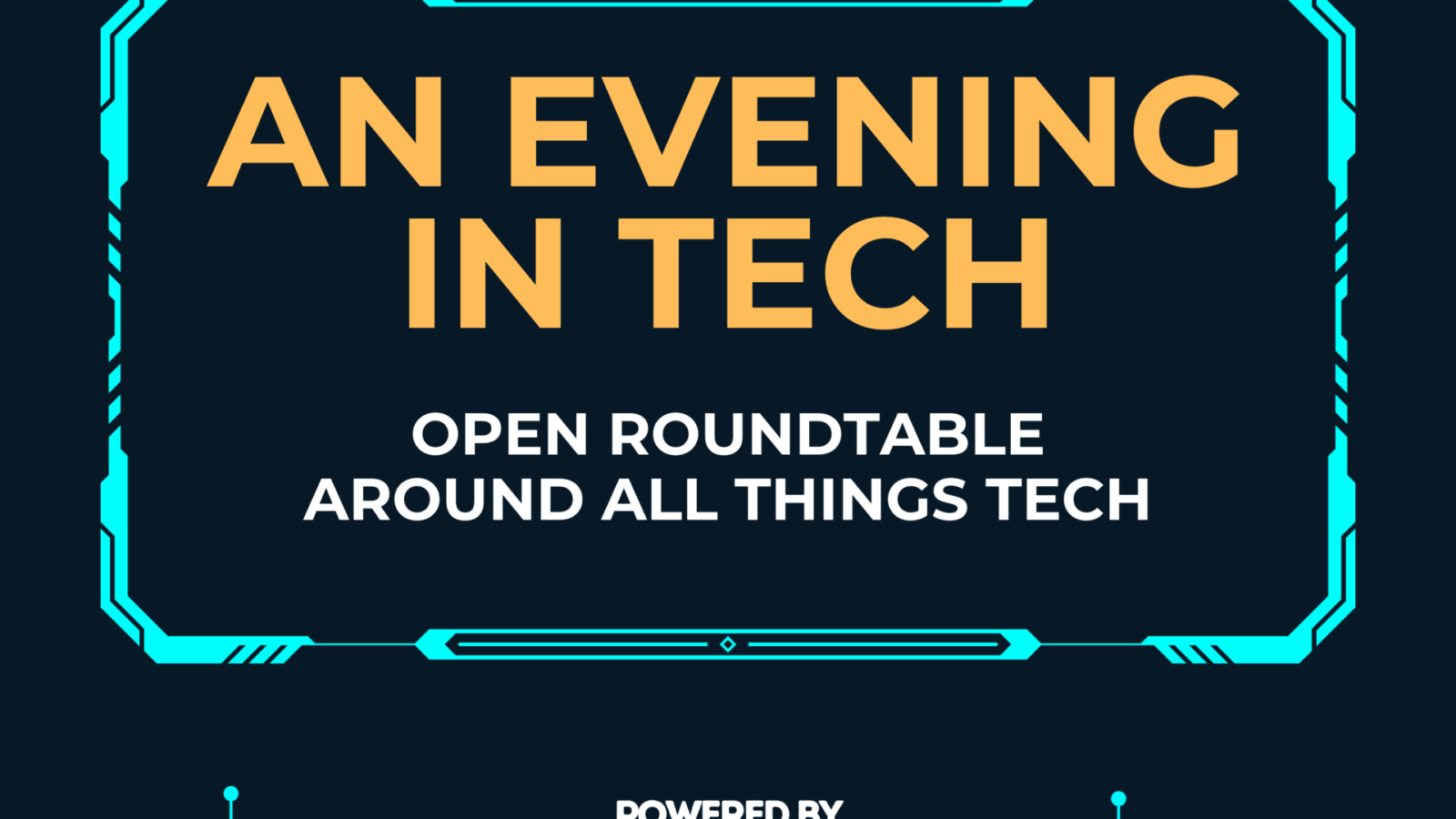
An Evening in Tech – A curated roundtable

An Evening in Tech – A curated roundtable

, , , , ,

A special curated evening for Tech Founders, Investors, CTOs and CIOs to close the year!

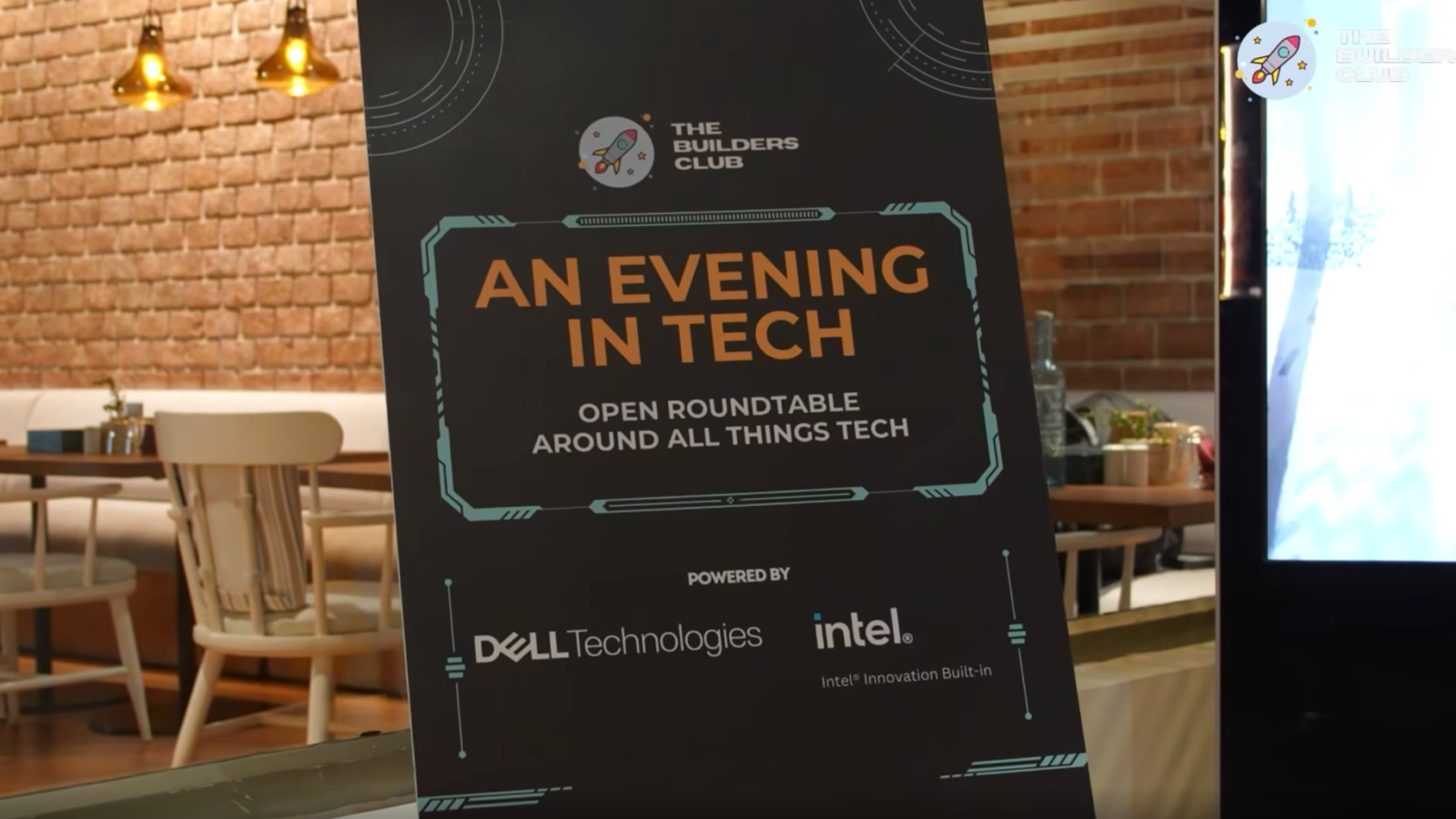
The Builders Club presents ‘An Evening in Tech’ powered by Dell Technologies and Intel.

A specially curated open roundtable for discussing all things Tech!

In this event, a curated set of 20 founders, investors and CXOs discuss the year gone by, and the upcoming year – from AI 🤖 to data security, network infrastructure, and Network Computing.

If you’re a:

  • Founder building in Tech
  • Investor focusing on Tech-heavy companies,​
  • CTO
  • ​CIO

This is for YOU! 🚀

All food & drinks are on us! 🍹🍴

Open only for 20 slots.

🚩 MG Road, Bangalore
🗓️ 18th December (Wednesday)
⏰ 7 PM onwards


💥 Register Now! 💥