// ARTICLE

Rahul Johar: From Family Roots to Building Joyful Experiences with DOBRA

Advertisement

Rahul Johar: From Family Roots to Building Joyful Experiences with DOBRA

, ,

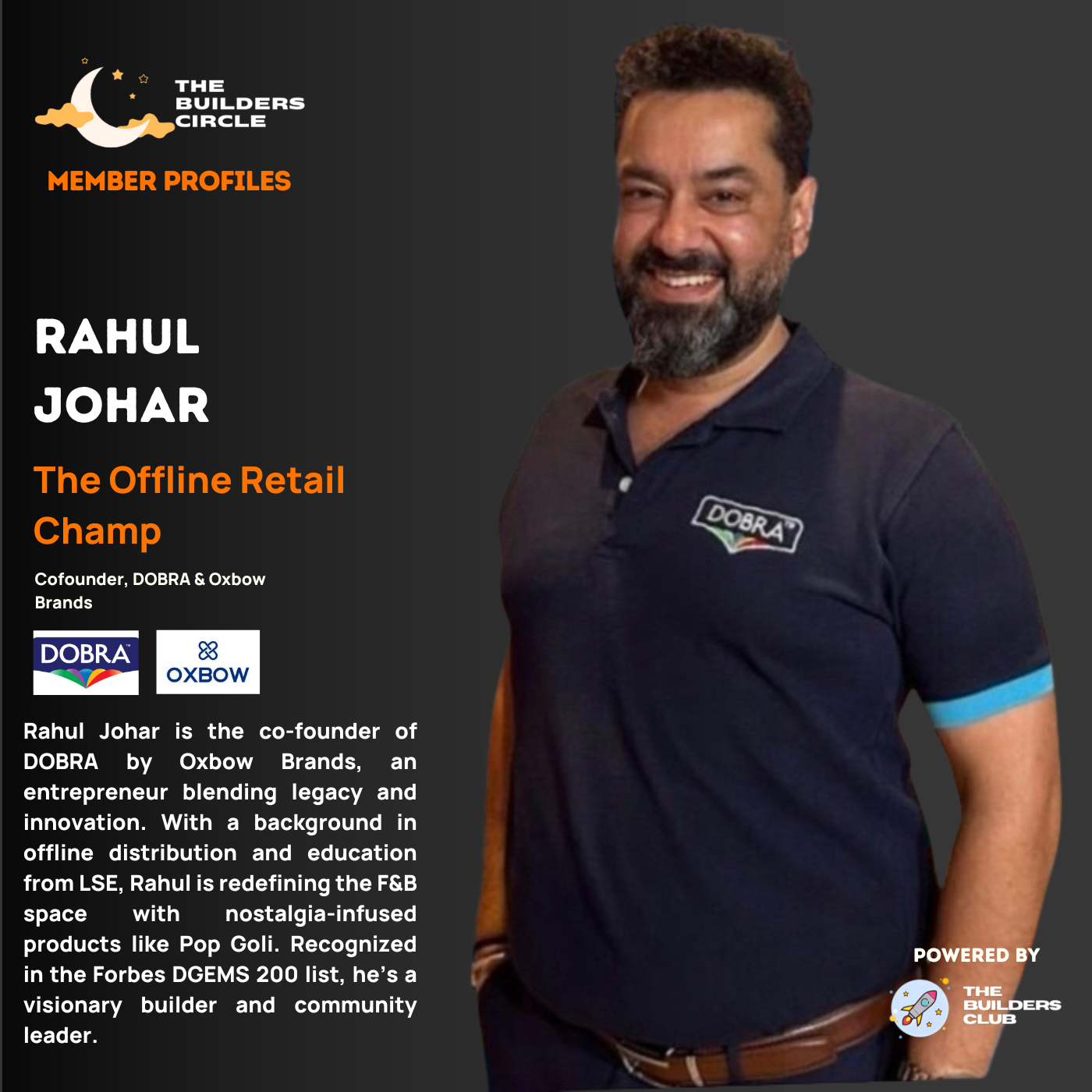
About : DOBRA

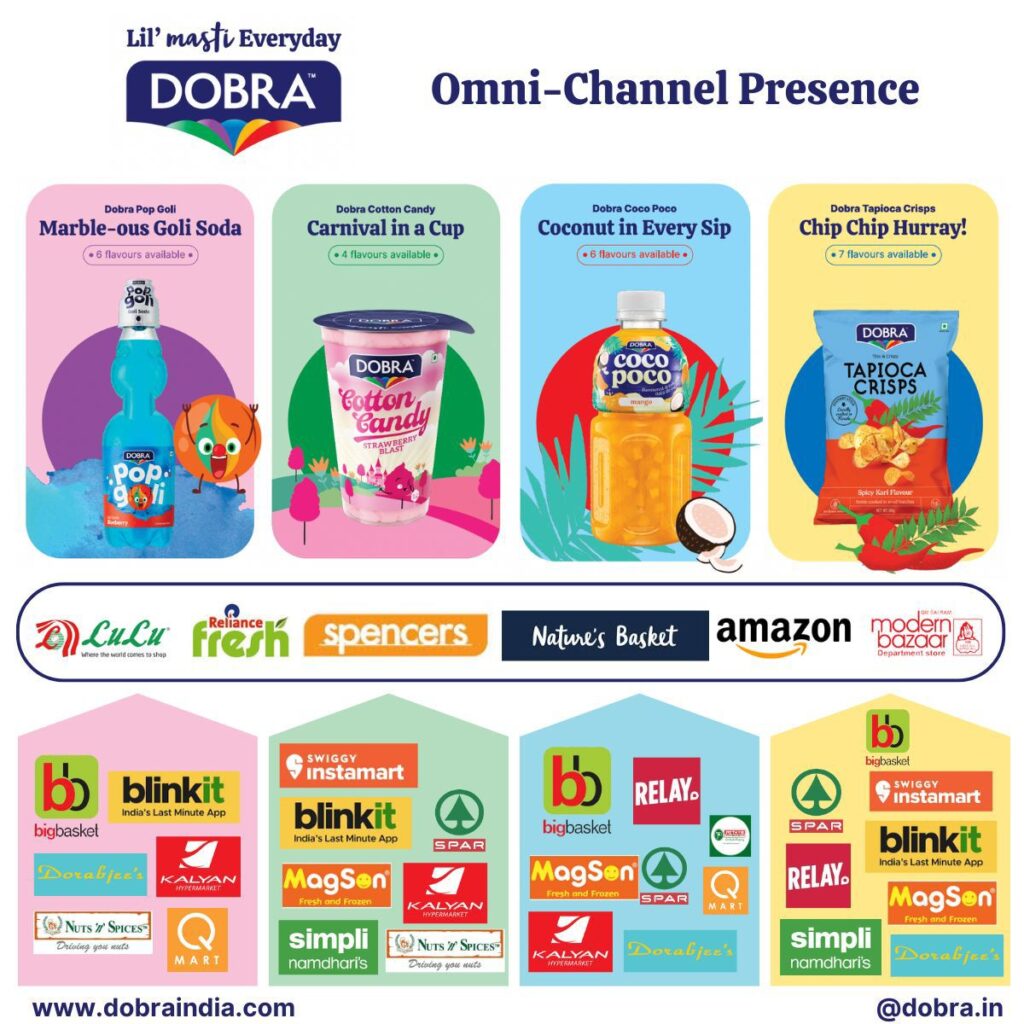
DOBRA is a new-age F&B brand dedicated to reviving nostalgia through delightful products like Pop Goli, cotton candy party packs, and innovative snacks. By blending the charm of classic flavors with modern sensibilities, DOBRA creates joyful, memorable experiences for today’s consumers.


It’s not often that you come across a founder who skillfully combines the heritage of a family business with the audacious ambition of building something entirely new. Rahul Johar, co-founder of DOBRA and Oxbow Brands, is one such trailblazer. His journey is a testament to determination, vision, and the power of reinvention.

Stepping Into Legacy

Rahul’s entrepreneurial story began with his roots in his family’s offline distribution business, a legacy he embraced right after completing his studies at the Leeds University and London School of Economics. Returning to India, he immersed himself in understanding the intricacies of the business, which was already a respected player in the distribution landscape. But for Rahul, maintaining the status quo wasn’t enough.

Instead, he envisioned a future where the family business could evolve and adapt to new consumer demands. His hands-on experience in distribution, coupled with his global perspective, laid the groundwork for a remarkable transition.

Bringing Nostalgia Back with DOBRA
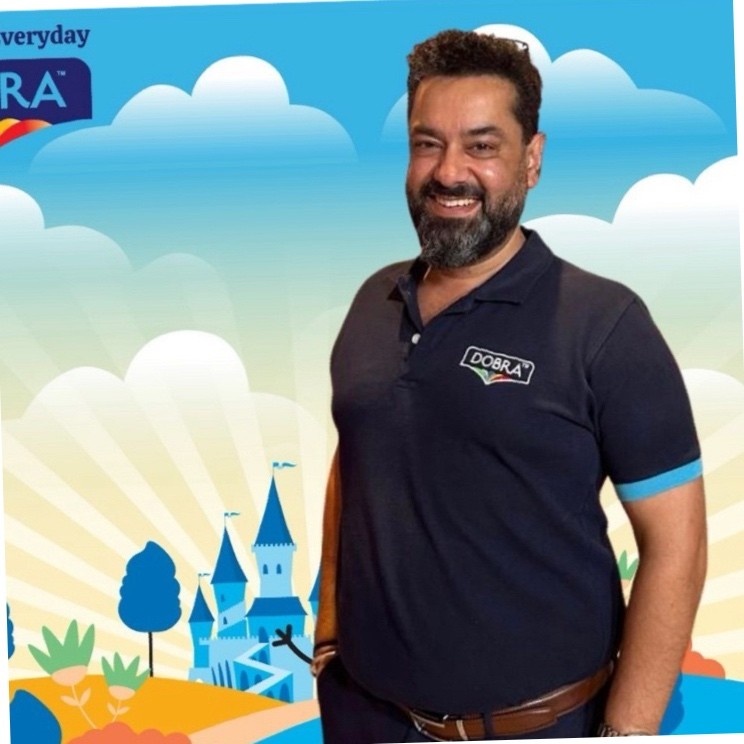
Rahul’s passion for delivering joy and indulgence led to the creation of DOBRA, a new-age F&B brand that celebrates innovation while rekindling cherished memories. The brand is making waves by reintroducing nostalgia-infused products that blend tradition with a modern twist.

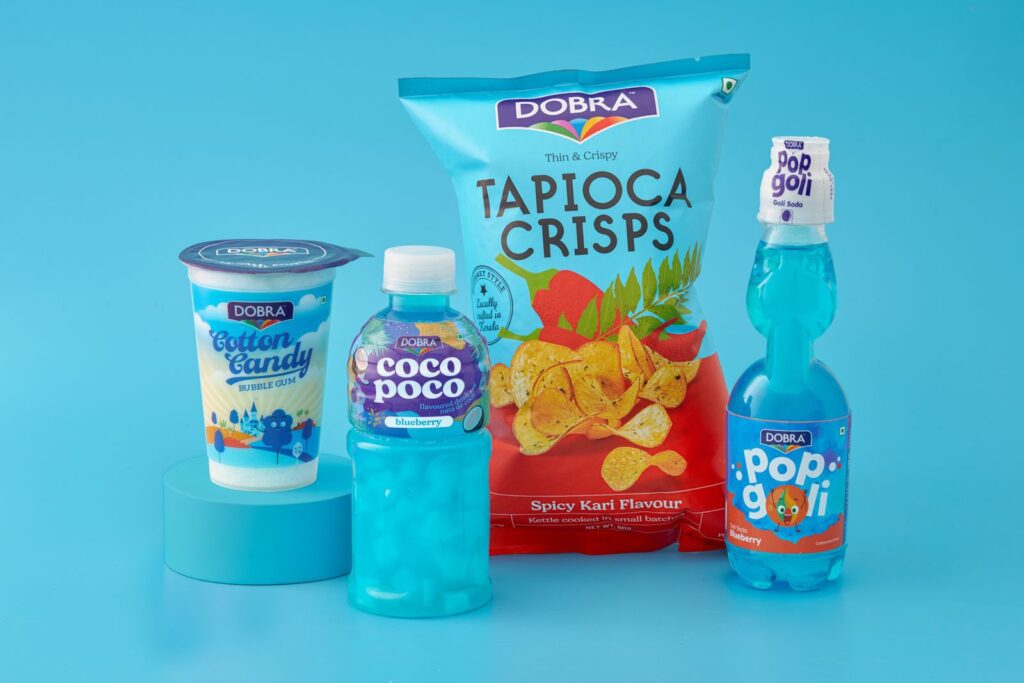
  • Pop Goli: A delightful nod to the iconic street soda, Banta, this fizzy, flavorful beverage revives fond memories while offering a fresh, contemporary experience.
  • Cotton Candy Party Pack: With this whimsical treat, DOBRA taps into the magic of childhood, bringing an element of playfulness to every occasion.
  • Tapioca Chips, Coco & Poco: These snacks and beverages are crafted to cater to modern tastes while retaining a sense of comfort and familiarity.

DOBRA isn’t just creating products; it’s building connections—bringing families, friends, and communities together over shared moments of indulgence. By reviving and reinventing classics, Rahul and his team are carving a unique niche in the F&B sector, offering something that no one else is doing.

Selected for the Forbes DGEMS 200 List

In a significant milestone, Rahul Johar and DOBRA were recently inducted into the Forbes DGEMS 200 List, a recognition that highlights dynamic businesses driving innovation and excellence. This prestigious accolade places DOBRA among an elite group of companies shaping their industries with creativity, resilience, and an unwavering commitment to quality.

For Rahul, this honor is not just a personal achievement—it’s a validation of his vision to create a brand that resonates deeply with consumers. The Forbes recognition underscores DOBRA’s impact on the market and its potential to become a global name synonymous with joy and indulgence.

A Builder at Heart

While Rahul’s story is deeply inspiring, what truly sets him apart is his belief in the power of collaboration. As a member of The Builder Circle, he’s found a unique space where growth-stage founders come together to exchange ideas, share challenges, and build their ventures collectively.

The Builder Circle is more than just a community; it’s a brotherhood of founders, mentors, and partners, all driven by the common goal of scaling their businesses. For Rahul, it’s been a game-changer—a place to gain invaluable advice, track personal and professional goals, and access a network that accelerates success.

Be Part of the Journey

If Rahul’s journey resonates with you and you’re a growth-stage founder looking for a support system that can help you achieve your goals, The Builder Circle might be the perfect fit. The community is currently onboarding a select group of 10 founders who are either funded or have an ARR of more than ₹1 crore.

Join this dynamic network of changemakers, learn from the stories of trailblazers like Rahul Johar, and take your business to the next level.

Click here to learn more or register and become part of a movement where builders grow together.

Rahul’s story is far from over, but it serves as a powerful reminder of what’s possible when you combine focus, determination, and the right community. The future is bright, and it’s being built one joyful, indulgent moment at a time.


Advertisement
Advertisement
Facebook
X
LinkedIn

ACV Realities: Selling Core Infrastructure to Mid-Market UK Firms vs. Tier-1 Indian Corporate Houses

A UK mid-market firm and a Tier-1 Indian corporate house will both buy core infrastructure from you, but they will not pay, decide or expand the same way. UK mid-market deals tend to be smaller, faster and process-led. Indian group deals tend to start with a modest first contract and grow through relationships across divisions. Founders who price both markets with one ACV assumption end up mispricing one of them. Here is how to think about the difference. What is ACV, and why does it vary so much by market? Annual Contract Value (ACV) is the average yearly revenue from a customer contract, excluding one-time fees. It is shaped by company size, buying authority, budget structure and how the buyer prefers to commit spend. Two companies of similar revenue can have very different ACVs for the same product, because the buying behaviour, not the product, decides how much they sign at once. Note: the comparisons below describe structural patterns, not published statistics. Validate every number against your own deal history before using it in a plan. How do UK mid-market firms buy core infrastructure? The buyer group in a UK mid-market company is usually smaller, with a CTO, head of IT or operations lead holding most of the authority. Procurement follows a defined process, and contracts are generally standardised. Compliance first. Data protection under UK GDPR, supplier due diligence and security questionnaires are routine gates. Clear scope. Buyers expect a defined package, a fixed term and a predictable renewal. Faster decisions, smaller contracts. Fewer approvers usually shorten the cycle, but the initial ACV is often constrained by mid-market budgets. How do Tier-1 Indian corporate houses buy the same infrastructure? Large Indian groups often operate as a portfolio of businesses under a shared brand. Technology decisions can sit with a central IT team, a group CIO, or the individual business heads, and sometimes all three. Wider committee. IT infrastructure, security, finance, legal and the business owner may each have a say. Land small, expand across entities. A first deal in one division can become a group-wide relationship once trust is established. Heavier customisation and negotiation. Expect requests on terms, integration, support models and pricing structure. Regulatory overlays. Sector regulators and India’s phased data protection rollout may shape requirements. UK mid-market vs Tier-1 Indian groups: what changes for ACV? Factor UK mid-market Tier-1 Indian corporate house Buying committee Smaller, role-defined Larger, spans IT, business, finance, legal Sales cycle Usually shorter once process starts Often longer and less linear Initial ACV Capped by mid-market budgets Often a small first step, such as one unit or pilot Expansion path Seats, modules, upgrades Additional divisions, group entities, geographies Negotiation focus Compliance, SLAs, term length Commercial structure, customisation, support Biggest risk Price pressure and churn Stalled approvals and scope creep How should you price and structure deals in each market? For UK mid-market Lead with a clear package, a compliance pack and a defined onboarding plan. Aim for annual contracts with a visible upgrade path, since expansion is usually module-based. Use references from similar-sized companies; they matter more than brand names. For Tier-1 Indian corporate houses Design a first contract small enough to approve quickly, but linked to a roadmap for broader rollout. Define what is standard and what is paid customisation from day one, to protect margins. Map the group structure and identify which entity signs, which pays and which uses the product. FAQ Is ACV higher in India or in the UK? It depends on the segment, product and contract structure, and there is no reliable universal figure. In general, UK mid-market deals may close faster at moderate sizes, while large Indian groups can grow into bigger relationships over time through multi-division expansion. Compare using your own deal data. Should I use the same pricing model in both markets? Keep the core pricing logic consistent, but adapt packaging. UK buyers often prefer clear tiers and fixed terms. Indian enterprises may need flexible rollout phases, with the commercial structure explained in terms of business outcomes. Which market is better for a first enterprise customer? Choose based on your strengths. If you have a compliance-ready product and a repeatable process, UK mid-market can offer quick validation. If you have strong relationships and room to customise, a Tier-1 Indian group can become a long-term anchor account. Conclusion ACV is shaped by how a buyer commits, not just by what they buy. Plan UK mid-market deals around process and compliance, and Indian group deals around relationships and staged expansion. Use one pricing logic, but two go-to-market playbooks. Selling across borders? Compare notes with founders and CXOs who sell in both markets. Join The Builders Club and get invited to our next roundtable. About the author: Sohail Khan is Founder and Director of The Builders Club, a professional community of 35,000+ founders and CXOs across India, UAE, Singapore and the US.

Read More »