// ARTICLE

Sumit Rastogi – From Corporate Leader to Dessert Pioneer: The Inspiring Journey of Sumit Rastogi, Co-Founder of Artinci Artisanal Foods

Advertisement
, ,

Sumit Rastogi – From Corporate Leader to Dessert Pioneer: The Inspiring Journey of Sumit Rastogi, Co-Founder of Artinci Artisanal Foods

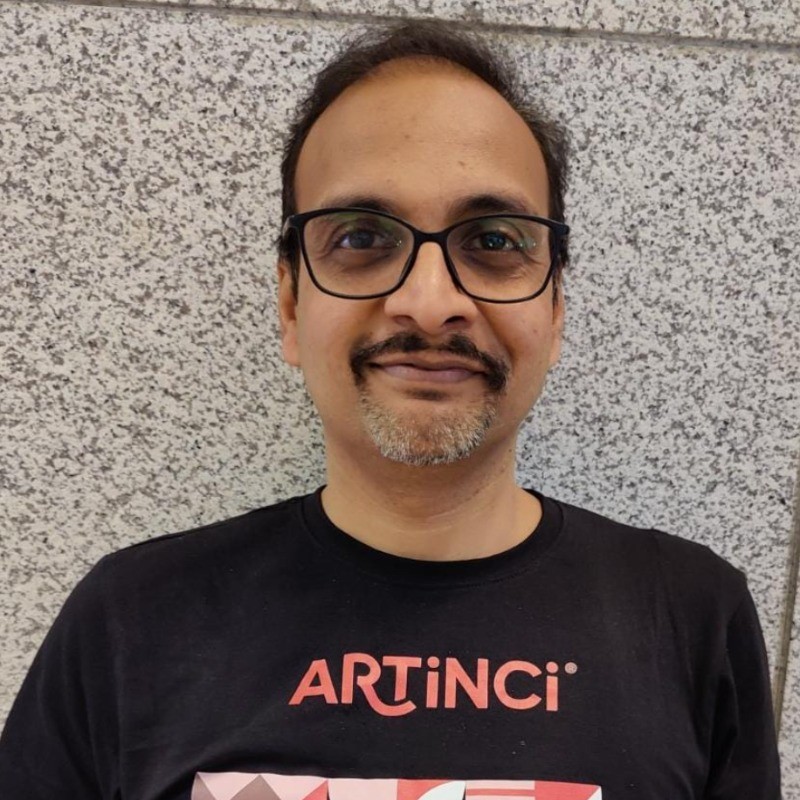
For some, life’s greatest callings come from the most unexpected places. Sumit Rastogi, the co-founder of Artinci Artisanal Foods, stands as a beacon of inspiration for entrepreneurs everywhere. His story is not just about creating a business; it’s about transforming a vision into a movement—a movement that blends health, happiness, and the joy of indulgence.
The Genesis of a Dream

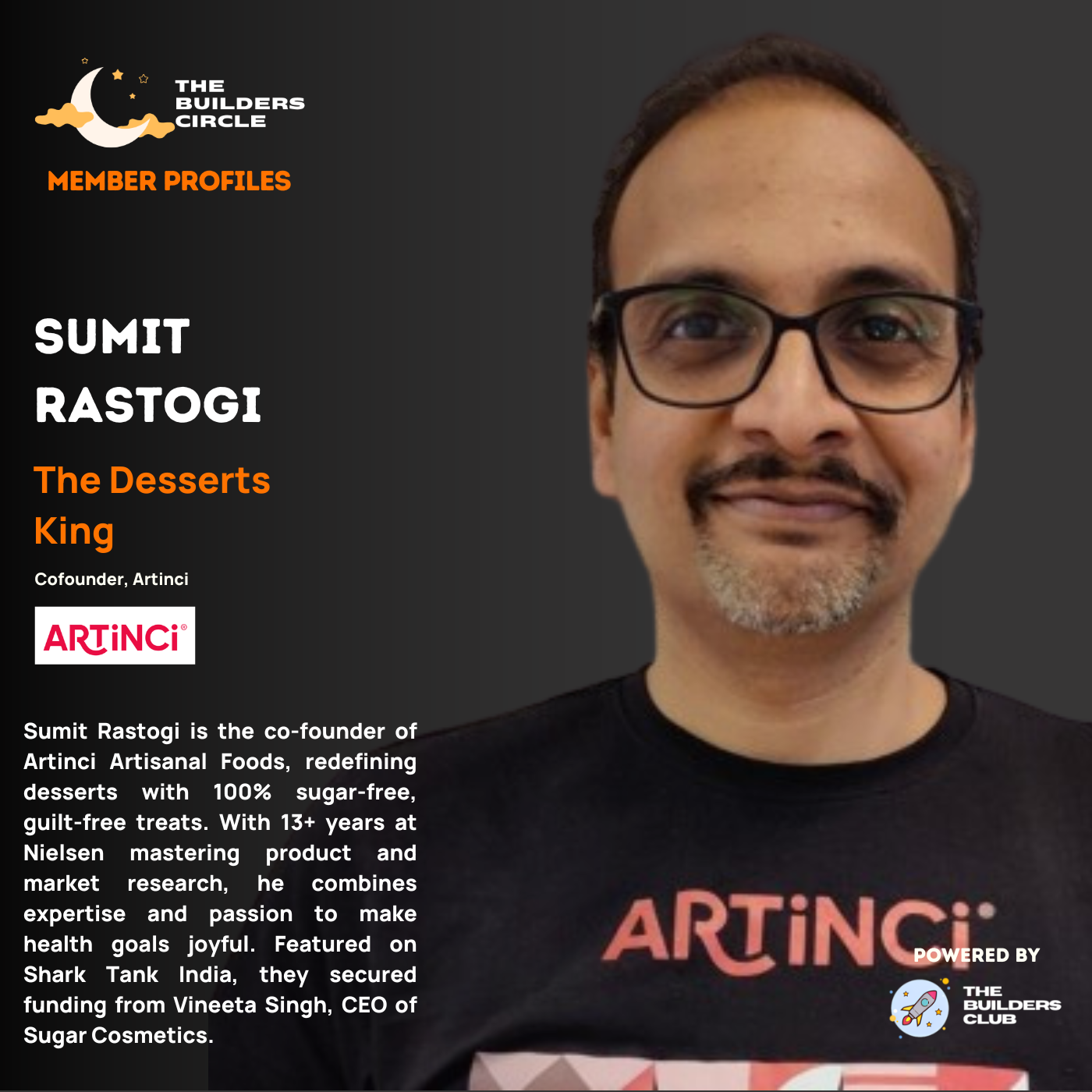
Sumit spent over 13 years building an illustrious career at Nielsen, navigating various domains and industries. With a sharp acumen for product and market research, he honed his ability to understand consumer needs and desires. But despite the success and stability, Sumit felt an unshakable pull toward a purpose that went beyond corporate accolades.

That calling took shape when he decided to redefine indulgence. In an age where health-conscious choices often came at the cost of happiness, Sumit saw an opportunity to create a dessert brand that didn’t force consumers to choose between the two.

Artinci: Where Health Meets Happiness

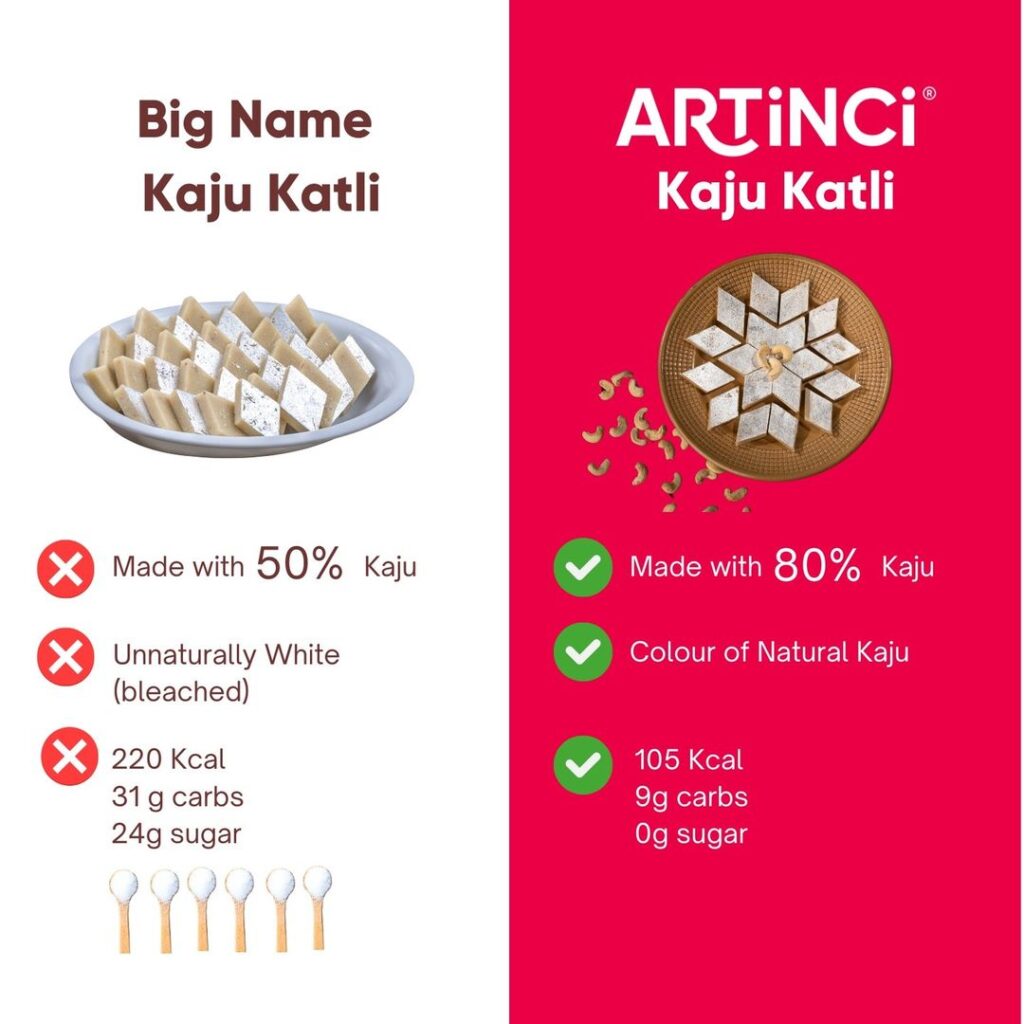
Artinci Artisanal Foods was born out of Sumit’s vision to make desserts guilt-free. Artinci offers 100% sugar-free sweets that are low in carbohydrates and glycemic index—perfect for people who want to achieve their health goals without sacrificing the joys of dessert. The company’s mantra is simple yet powerful: bringing joy through guilt-free indulgence.

Under Sumit’s leadership, Artinci aimed to redefine the dessert space, focusing on creating products that resonated with health-conscious consumers.

The Shark Tank Milestone

Sumit’s hard work and vision caught the attention of investors and the public alike when Artinci appeared on Shark Tank India Season 3. The brand received funding from Vineeta Singh, CEO of Sugar Cosmetics, marking a significant milestone in its journey.

For Sumit, the Shark Tank experience was more than just securing funds—it was a validation of his mission to blend health and happiness in a way that resonates with millions. This pivotal moment further fueled Artinci’s growth, allowing them to expand their reach and make guilt-free indulgence a reality for more people.

The Role of Focus and Determination

Sumit’s journey was far from easy. From managing the demands of a competitive food industry to ensuring Artinci’s products stayed true to their promise of health and flavor, every step required unwavering focus and grit. Yet, he remained steadfast, fueled by the belief that his efforts could make lives better—one dessert at a time.

A Community of Builders: The Builder Circle

Beyond his success with Artinci, Sumit is also a proud member of the Builder Circle, an exclusive community for growth-stage founders. For Sumit, being part of the Builder Circle has been transformative—a support system of like-minded founders dedicated to helping each other grow through advice, connections, and collaboration.

“Entrepreneurship can be a lonely journey,” Sumit reflects, “but with the Builder Circle, I’ve found a band of brothers who walk this path with me, offering guidance and celebrating wins together.”

The Builder Circle is not just about scaling businesses; it’s about building a foundation of trust, support, and shared vision. Founders in this circle benefit from access to advisors, agencies, and partners who make scaling more manageable and efficient.

Be Inspired, Be a Builder

Sumit Rastogi’s journey serves as a powerful reminder of what’s possible when passion meets perseverance. His story isn’t just about desserts or entrepreneurship—it’s about dreaming big, staying focused, and building something that leaves a lasting impact.

If you’re a founder with funding or generating more than ₹1 crore in ARR, the Builder Circle might just be the community you’ve been searching for. Join a network of driven entrepreneurs like Sumit, and together, turn your aspirations into reality.

Click here to learn more and become part of the Builder Circle today.

Sumit’s story continues to inspire, proving that with the right focus, determination, and community, anything is possible. Will you be the next builder to create something extraordinary?

Advertisement
Advertisement
Facebook
X
LinkedIn

ACV Realities: Selling Core Infrastructure to Mid-Market UK Firms vs. Tier-1 Indian Corporate Houses

A UK mid-market firm and a Tier-1 Indian corporate house will both buy core infrastructure from you, but they will not pay, decide or expand the same way. UK mid-market deals tend to be smaller, faster and process-led. Indian group deals tend to start with a modest first contract and grow through relationships across divisions. Founders who price both markets with one ACV assumption end up mispricing one of them. Here is how to think about the difference. What is ACV, and why does it vary so much by market? Annual Contract Value (ACV) is the average yearly revenue from a customer contract, excluding one-time fees. It is shaped by company size, buying authority, budget structure and how the buyer prefers to commit spend. Two companies of similar revenue can have very different ACVs for the same product, because the buying behaviour, not the product, decides how much they sign at once. Note: the comparisons below describe structural patterns, not published statistics. Validate every number against your own deal history before using it in a plan. How do UK mid-market firms buy core infrastructure? The buyer group in a UK mid-market company is usually smaller, with a CTO, head of IT or operations lead holding most of the authority. Procurement follows a defined process, and contracts are generally standardised. Compliance first. Data protection under UK GDPR, supplier due diligence and security questionnaires are routine gates. Clear scope. Buyers expect a defined package, a fixed term and a predictable renewal. Faster decisions, smaller contracts. Fewer approvers usually shorten the cycle, but the initial ACV is often constrained by mid-market budgets. How do Tier-1 Indian corporate houses buy the same infrastructure? Large Indian groups often operate as a portfolio of businesses under a shared brand. Technology decisions can sit with a central IT team, a group CIO, or the individual business heads, and sometimes all three. Wider committee. IT infrastructure, security, finance, legal and the business owner may each have a say. Land small, expand across entities. A first deal in one division can become a group-wide relationship once trust is established. Heavier customisation and negotiation. Expect requests on terms, integration, support models and pricing structure. Regulatory overlays. Sector regulators and India’s phased data protection rollout may shape requirements. UK mid-market vs Tier-1 Indian groups: what changes for ACV? Factor UK mid-market Tier-1 Indian corporate house Buying committee Smaller, role-defined Larger, spans IT, business, finance, legal Sales cycle Usually shorter once process starts Often longer and less linear Initial ACV Capped by mid-market budgets Often a small first step, such as one unit or pilot Expansion path Seats, modules, upgrades Additional divisions, group entities, geographies Negotiation focus Compliance, SLAs, term length Commercial structure, customisation, support Biggest risk Price pressure and churn Stalled approvals and scope creep How should you price and structure deals in each market? For UK mid-market Lead with a clear package, a compliance pack and a defined onboarding plan. Aim for annual contracts with a visible upgrade path, since expansion is usually module-based. Use references from similar-sized companies; they matter more than brand names. For Tier-1 Indian corporate houses Design a first contract small enough to approve quickly, but linked to a roadmap for broader rollout. Define what is standard and what is paid customisation from day one, to protect margins. Map the group structure and identify which entity signs, which pays and which uses the product. FAQ Is ACV higher in India or in the UK? It depends on the segment, product and contract structure, and there is no reliable universal figure. In general, UK mid-market deals may close faster at moderate sizes, while large Indian groups can grow into bigger relationships over time through multi-division expansion. Compare using your own deal data. Should I use the same pricing model in both markets? Keep the core pricing logic consistent, but adapt packaging. UK buyers often prefer clear tiers and fixed terms. Indian enterprises may need flexible rollout phases, with the commercial structure explained in terms of business outcomes. Which market is better for a first enterprise customer? Choose based on your strengths. If you have a compliance-ready product and a repeatable process, UK mid-market can offer quick validation. If you have strong relationships and room to customise, a Tier-1 Indian group can become a long-term anchor account. Conclusion ACV is shaped by how a buyer commits, not just by what they buy. Plan UK mid-market deals around process and compliance, and Indian group deals around relationships and staged expansion. Use one pricing logic, but two go-to-market playbooks. Selling across borders? Compare notes with founders and CXOs who sell in both markets. Join The Builders Club and get invited to our next roundtable. About the author: Sohail Khan is Founder and Director of The Builders Club, a professional community of 35,000+ founders and CXOs across India, UAE, Singapore and the US.

Read More »